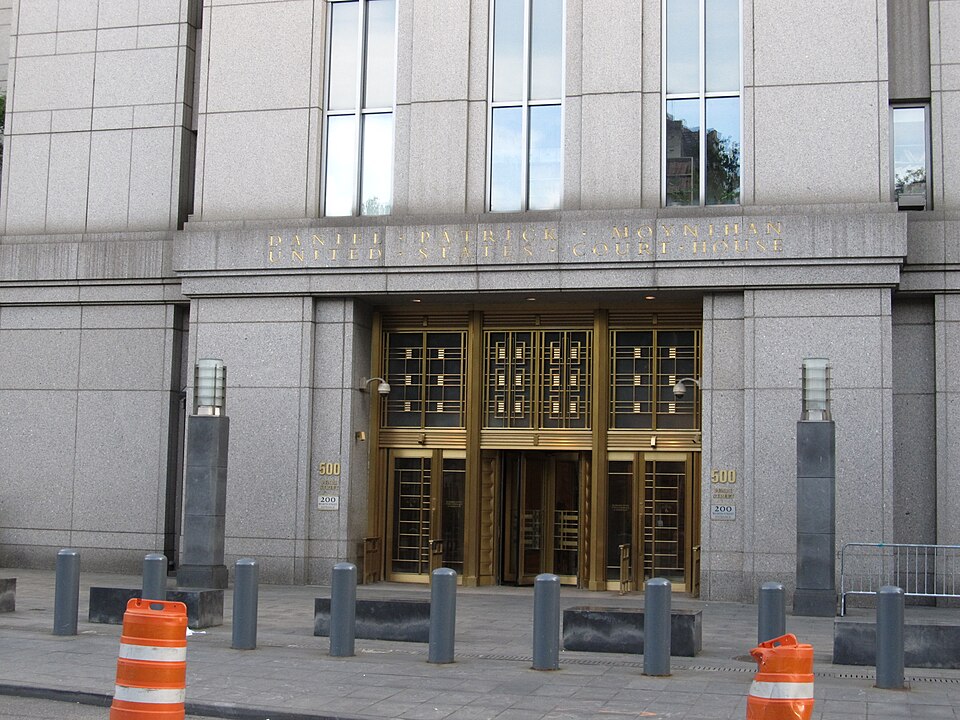
Court Orders WeLib to Pay Publishers $19,500,000
Judge Victor Marrero entered a default judgment ordering WeLib to pay 13 publishers $19,500,000 for willful copyright infringement. The operators did not respond.
The Publishing Times
All the News That’s Fit to Publish
Coverage
The world's largest trade book publisher, owned by Bertelsmann. Official site: www.penguinrandomhouse.com
Judge Victor Marrero entered a default judgment ordering WeLib to pay 13 publishers $19,500,000 for willful copyright infringement. The operators did not respond.
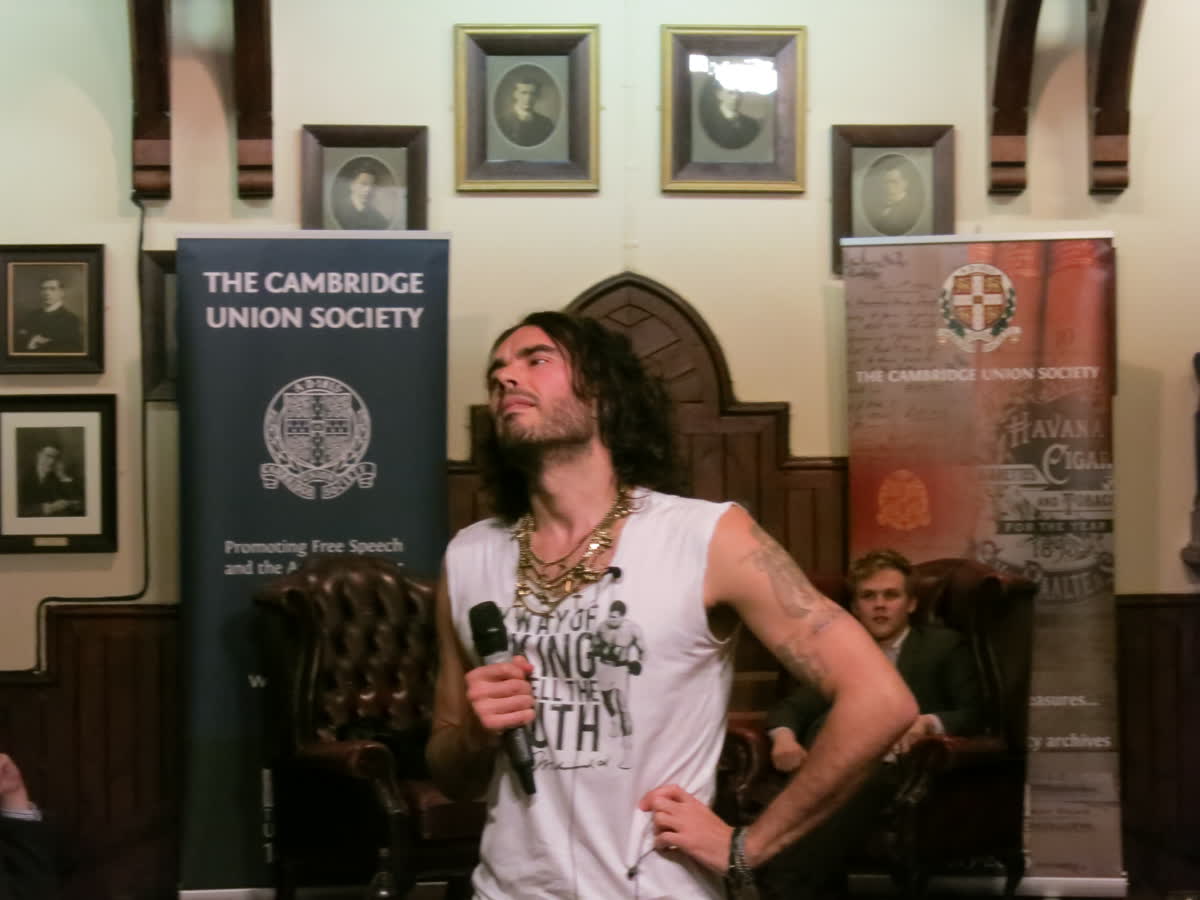
Pan Macmillan and Hodder & Stoughton have withdrawn Russell Brand's books from sale after his conviction. A Pan Macmillan statement says the process is under way.
The 2022 Penguin Random House case exposed concentrated profits, unearned advances and unequal marketing budgets. Four years later, the distinctions still matter for authors.
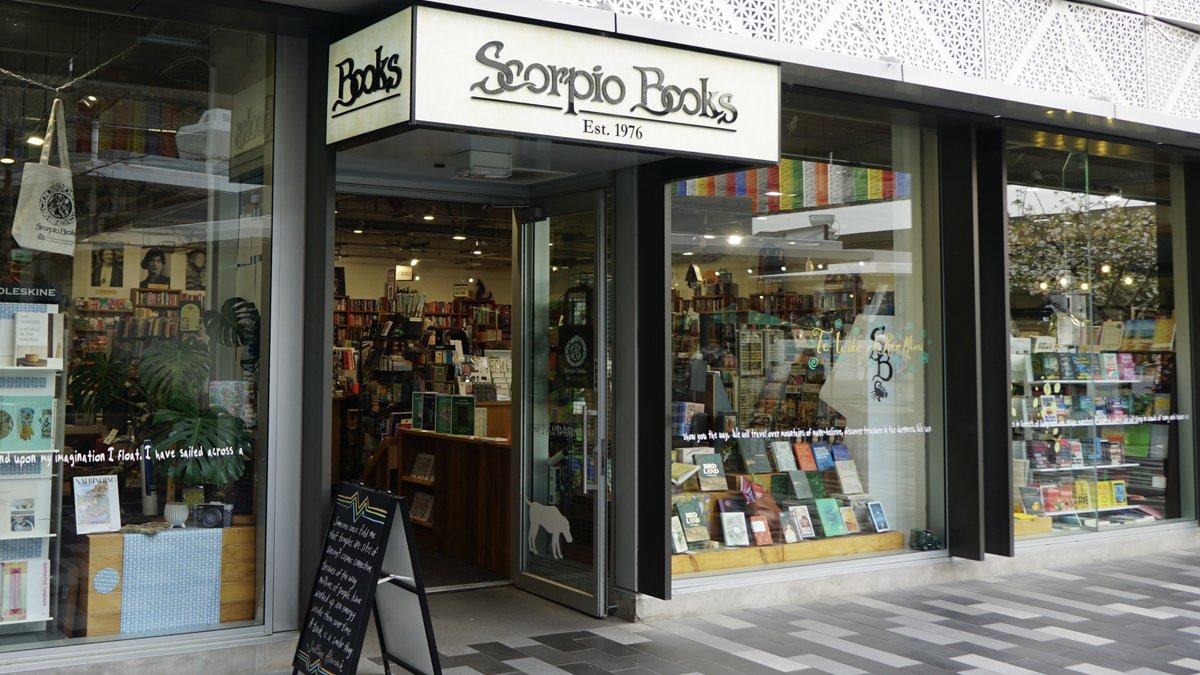
Chain stores had A Court of Splintered Harmony on launch day, but independent shops across the country waited up to two more days. Booksellers have written an open letter to Bloomsbury and Penguin Random House Distribution.
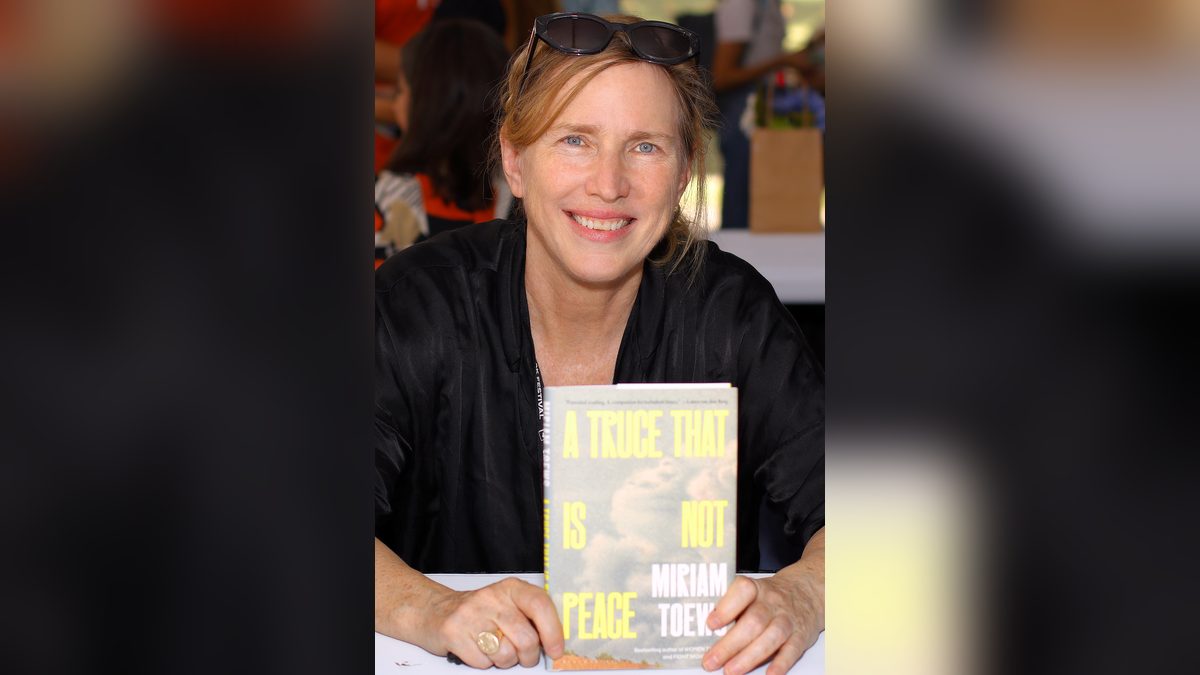
The Canada Council named 69 finalist books across seven categories in English and French for the awards' 90th year. The 14 winners, who get $25,000 each, will be named Nov. 12.

Promoting Chain Reaction, the 31st Reacher novel, Lee Child told Collider he no longer takes part in writing the books and sees each manuscript when the publisher does.

By 2028, Georgian schools are set to use a single ministry-made textbook per subject instead of choosing among publishers' books. The IPA calls it a severe restriction on the freedom to publish.

Friends groups at U.S. rural and small libraries can apply from December 8, 2026, through January 25, 2027, for cash grants of $500 or $1,000. Twenty libraries will also receive $500 in Penguin Random House books.
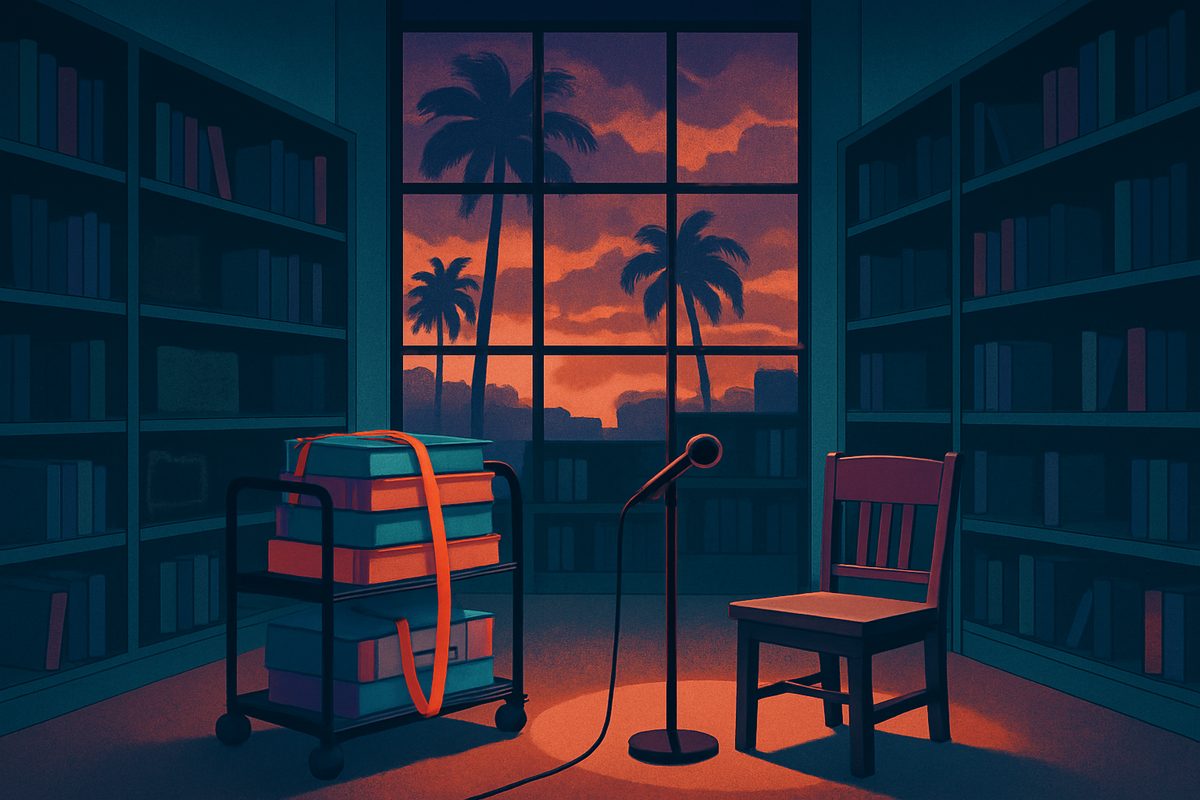
The Eleventh Circuit held that Escambia County school board votes to remove specific books were administrative, so members can be deposed about those votes. Votes adopting the policies stay privileged.
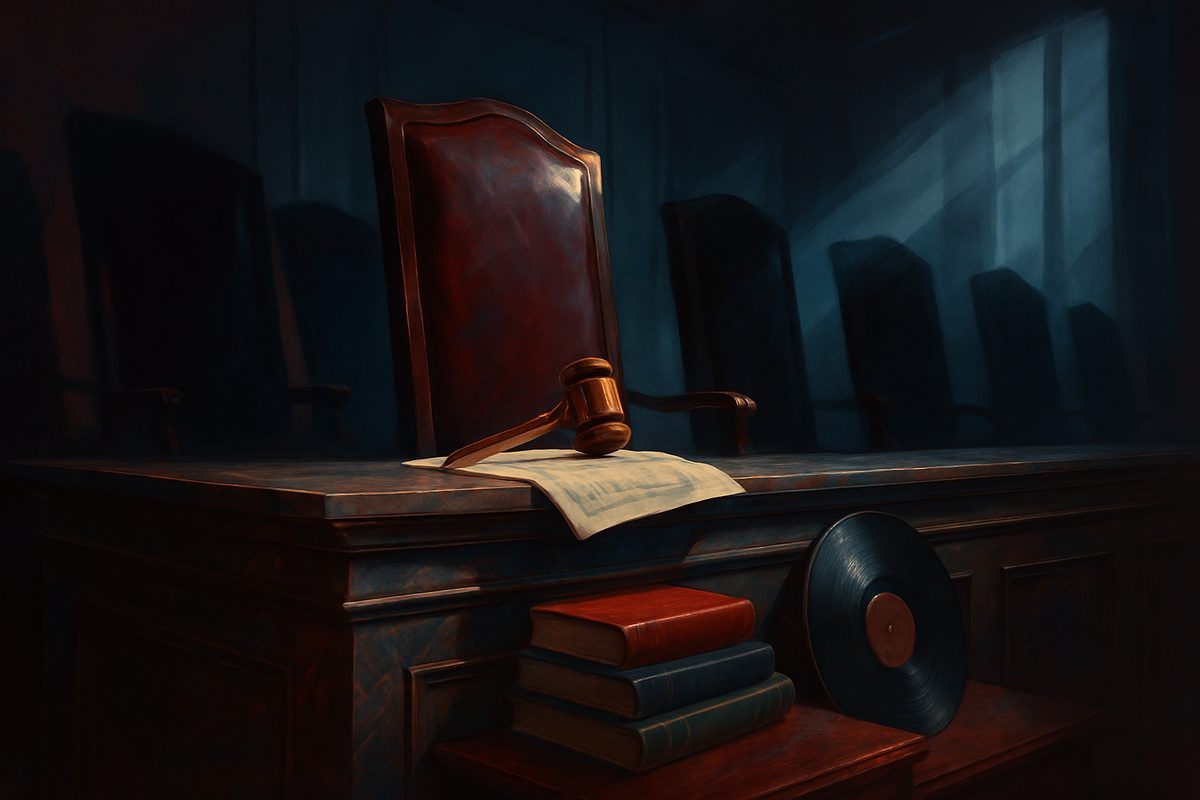
On October 19 the Supreme Court said it lacks a quorum in BMG v. Vetter. Justices Sotomayor, Gorsuch, Barrett, and Jackson took no part, and the Fifth Circuit judgment is affirmed.
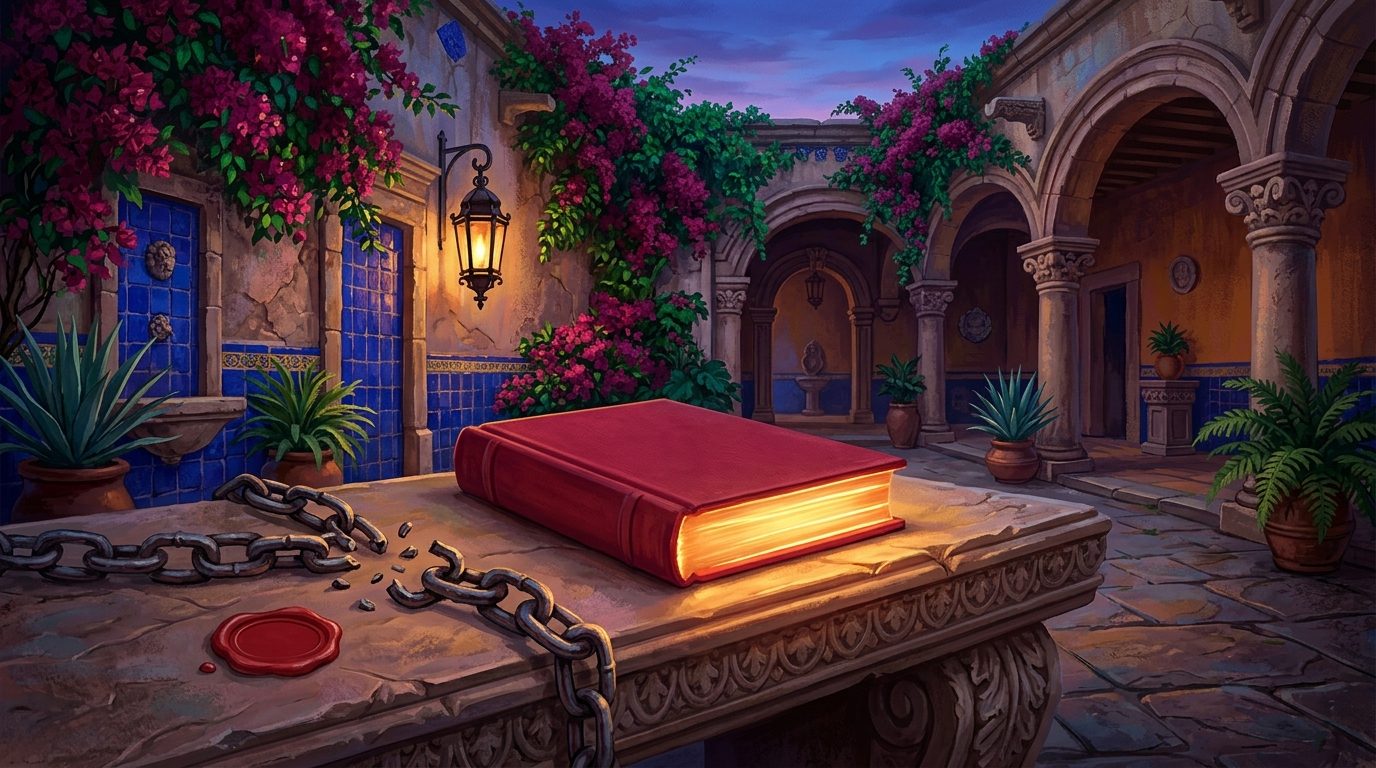
A Mexican agency fined the publisher over a person's name and image in Karla de la Cuesta's investigative book. The IPA has filed a brief in the appeal.

He told Die Zeit he would rather sue alongside other artists. Two German children's publishers are already taking OpenAI to court in Munich.
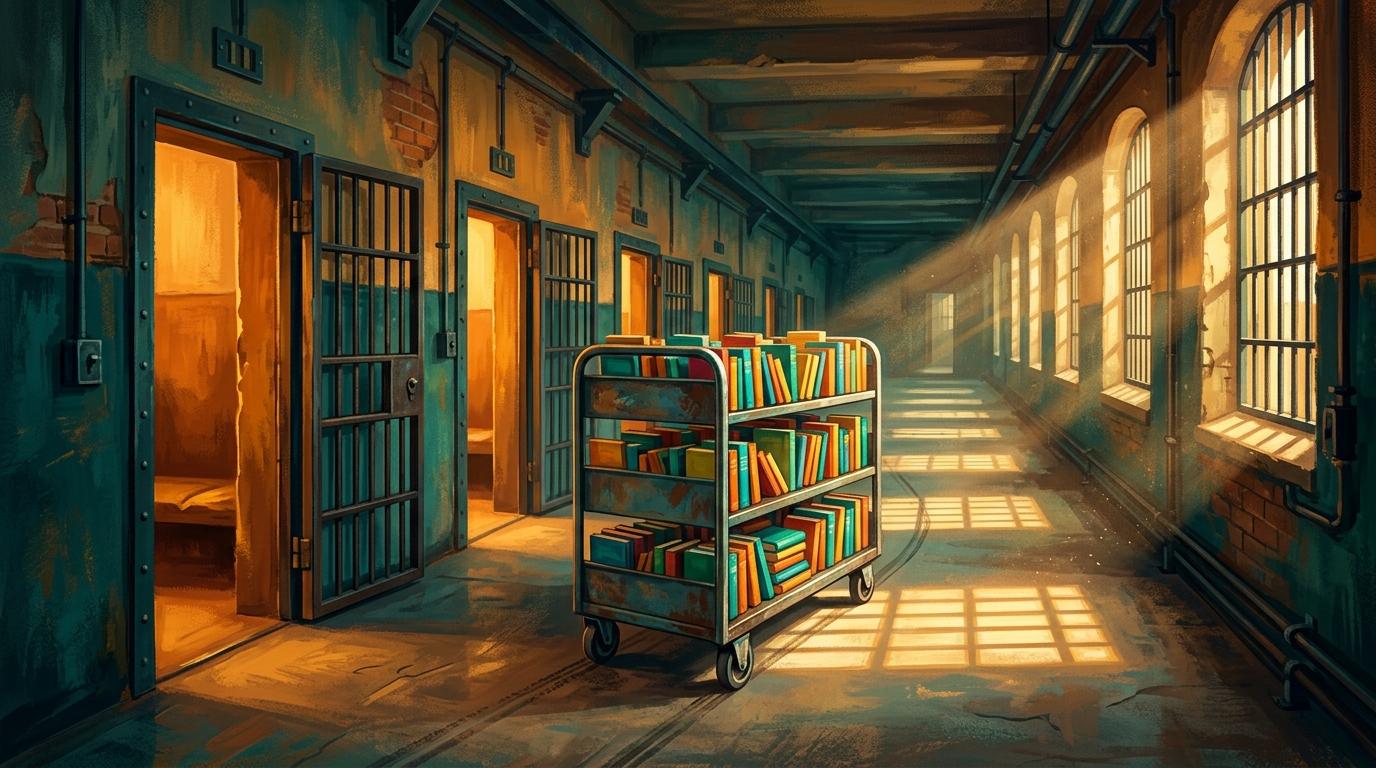
Eleven short books chosen with prisoners and staff, from Lee Child, Lemn Sissay, AA Dhand and more, will go to every cell in England, Wales, Scotland and Northern Ireland.

Seven categories honour the publishers, editors, agents, narrators, booksellers and librarians behind romantic fiction. Winners are named in London on November 4.

Frankfurter Buchmesse reports 236,000 visitors from 137 countries for the 78th fair, and names Chile as guest of honour for 6–10 October 2027.
The International Publishers Association gave its first Freedom of Expression Defenders Award to the Media Coalition, the U.S. group that sues to block book-restriction laws.
The National Book Foundation named 25 Finalists across five categories for the 2026 National Book Awards. Winners will be announced November 18 in New York.
A magistrate judge has recommended certifying a class of more than 30 million Amazon ebook buyers. A less-redacted version of his report was refiled in early October, and Amazon has objected.
As Frankfurter Buchmesse opens, the Börsenverein published the Frankfurt Appeal, backed by 120 publishers, asking EU and German lawmakers to force AI firms to disclose training data.
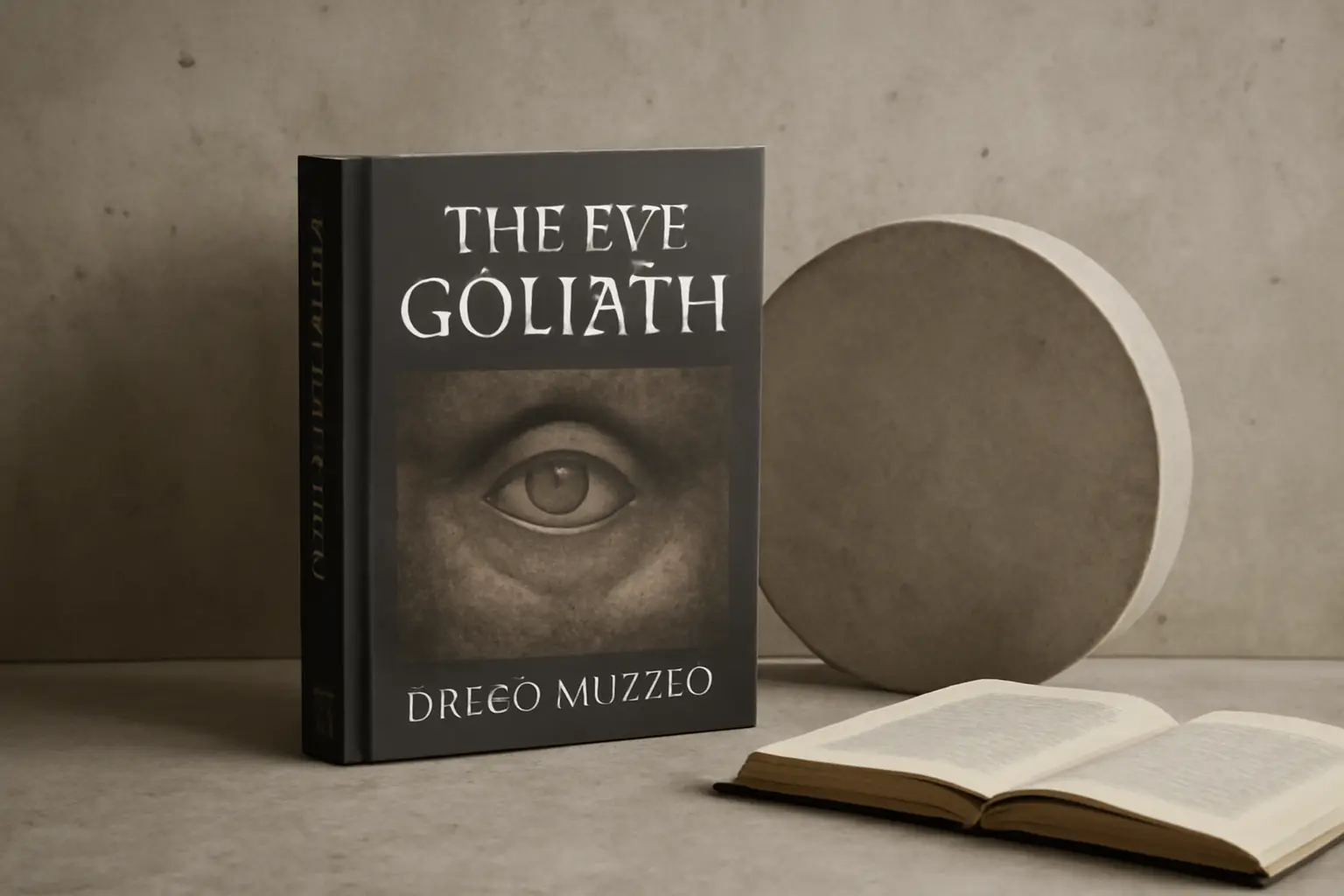
Diego Muzzio's The Eye of Goliath, translated by Rahul Bery: a 1920s Edinburgh psychiatrist and a mute engineer. What the New York Times said.
The Authors Guild wants publishers to drop claims on long out-of-print books and to pay authors when a house failed to register the copyright in time.

The intersection of artificial intelligence and commercial publishing has created a complex landscape where traditional houses act as both eager adopters and fi…
The publishing industry has undergone massive digital transformation over the last decade. While platforms like Amazon KDP

The traditional publishing ecosystem has undergone a radical structural transformation.
The traditional publishing landscape has undergone a radical transformation. When major houses like Penguin Random House, HarperCollins, and Simon & Schuster fo…

The retail battlefield between the traditional publishing conglomerates—Penguin Random House, HarperCollins, and Simon & Schuster—and Amazon has evolved past si…
For generations, an author's path into print ran through a small number of decision-makers: agents, acquiring editors and the publishers that employed them.
Large publishers have spent the past several years consolidating, restructuring and, at times, reducing staff. Over the same period, some of the industry's most senior figures have left those companies to build alternatives.
Reviews come from everywhere now, and so do fake reviews and misattributed books. The documented problems and the responses from platforms and regulators.
Research by Balázs Kovács and Amanda Sharkey found prizewinners' ratings fall after a win, and fake reviews and paid awards can also mislead. How to read these signals well.
One email when a new article about Penguin Random House is published. Confirm by email; unsubscribe any time.
Add this badge to your site. It links to this coverage page.