The Publishing Times
All the News That’s Fit to Publish
publishing-news · Guides
Reading Agency Will Put Nearly 500,000 Quick Reads Books Into UK Prisons
Eleven short books chosen with prisoners and staff, from Lee Child, Lemn Sissay, AA Dhand and more, will go to every cell in England, Wales, Scotland and Northern Ireland.
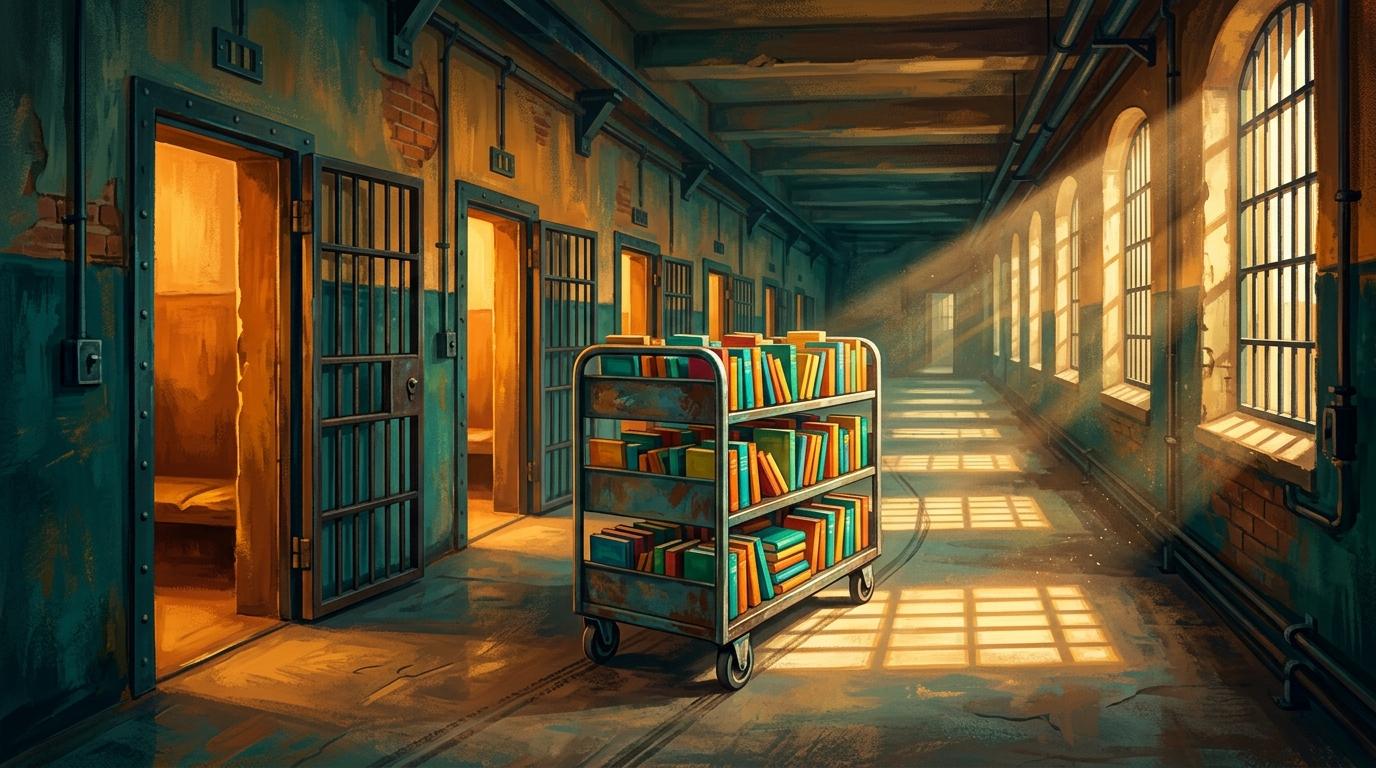
What is the Reading Agency doing in prisons? The UK charity the Reading Agency plans to put nearly 500,000 Quick Reads books directly onto prison wings and into cells across England, Wales, Scotland and Northern Ireland this autumn. It has named the 11 titles at the heart of the campaign, and thriller writer Lee Child, the UK's first Prison Reading Laureate, is backing it.
The campaign marks 20 years of Quick Reads, the charity's line of short, accessible books for adults, and is part of the UK's National Year of Reading. It is funded by the Henry Smith Foundation. The charity says the aim is to reach every person in prison and to build reading habits that continue after release.
The 11 books
The Reading Agency says the collection was co-produced with prisoners and prison staff, so it reflects what people inside actually want to read. The list covers crime, thrillers, memoir and wellbeing:
- Leye Adenle, Cell One (Simon & Schuster)
- Fiona Cummins, A Boy Called Saul (Pan Macmillan)
- AA Dhand, Darkness Rising (Penguin Random House)
- Lee Child, High Heat (Penguin Random House)
- Dr Alex George, The Mind Manual (Octopus)
- Lemn Sissay, My Name Is Why (Canongate)
- Dreda Say Mitchell, One False Move (Hodder)
- Andy McNab, Today Everything Changes (Penguin Random House)
- Alex Wheatle, Witness (Profile Books)
- Cathy Rentzenbrink, Write It All Down (Pan Macmillan)
- Dead Simple, a multi-author collection (Orion)
According to the Guardian's report on the launch, a book will go to every cell across the prison estate, with extra stock for prison libraries. The charity will also run author-led workshops and creative writing sessions, make content for National Prison Radio, and send resources to prison libraries, education teams and peer supporters.
Lee Child on the "revolving door"
Child told the Guardian the goal is practical: reduce reoffending. "If we can stop one in 10 of those people from coming back, that would be a major achievement," he said. He has made between 30 and 40 prison visits since he became laureate last year.
He said the most common reason he hears from people who don't read is that the books they were given at school were boring. Quick Reads, he argued, are different. "They are proper books, proper storytellers, and there's nothing simple or childish about them, they're just short."
He also pushed back on the idea that prison reading is a soft option. "My point is that no, it's actually hard on crime," he said. Poor literacy compounds every barrier after release, he added: "You can't read a lease if you want to rent a flat."
The Guardian cited Ministry of Justice figures for 2024-25 showing that 65% of initial-assessment results in England's public prisons were at entry levels 1 to 3, below the standard expected of a typical GCSE student.
Authors and the charity on why it matters
AA Dhand, whose Darkness Rising is in the set, said books "should be accessible to everyone, regardless of their circumstances or their previous relationship with reading." In prison, he said, reading "can build confidence, create empathy and give people the opportunity to see the world and themselves differently."
Karen Napier, chief executive of the Reading Agency, said the programme was built to give people in prison a choice over what they read. "When we put a book directly into someone's hands, we are offering more than words on a page," she said.
Why it matters for authors and publishers
Short books have a serious market. Quick Reads are written by bestselling authors at a length and reading level that works for emerging adult readers. The scheme shows that "short" and "accessible" are not code for "lesser." Writers who can tell a tight, gripping story in fewer pages have an audience here.
Big houses and independents both made the list. Penguin Random House, Pan Macmillan and Simon & Schuster sit alongside the Hachette imprints Hodder, Orion and Octopus, and the independents Canongate and Profile Books. Institutional programmes like this can move very large print runs of a single title.
Readers are made, not found. Half a million books in cells is a bet that new adult readers can be created. For authors in crime, thriller and memoir, that is a long-term pipeline worth watching. PT's guide on getting your book into libraries covers the institutional side of reaching readers.
Sources
- The Reading Agency: 11 Quick Reads titles are part of collection for landmark prison reading campaign
- The Guardian: Lee Child backs launch of reading scheme to send prisons half a million books (October 16, 2026)