The Publishing Times
All the News That’s Fit to Publish
book-awards · Guides
Book Review: ‘The Eye of Goliath,’ by Diego Muzzio
Diego Muzzio's 'The Eye of Goliath' offers rich insights for indie authors, exploring madness and character-driven narratives in a post-war setting.
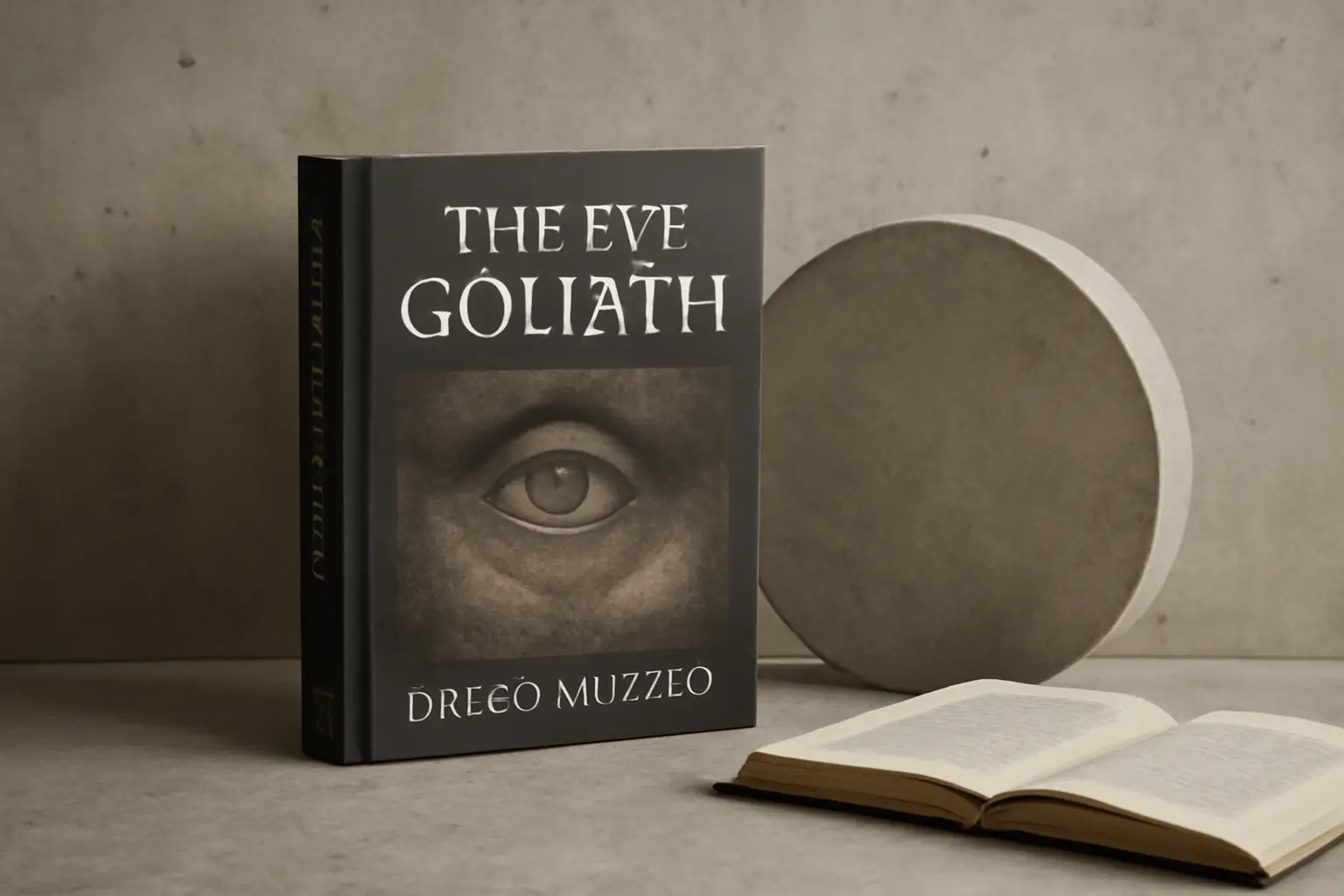
A Deep Dive into Madness: Exploring Diego Muzzio's 'The Eye of Goliath'
In the labyrinth of contemporary literature, the power of the independent voice continues to shine brightly, and Diego Muzzio's 'The Eye of Goliath' is a fine example of this phenomenon. This self-published work invites readers into a post-war scenario rich with psychological complexity, immersing them in the intricacies of madness and treatment. It is a bold narrative choice, one that serves as a clarion call to indie authors everywhere seeking to enrich their tales with depth and resonance.
The Setting: A Post-War Canvas
The novel's backdrop—a post-war environment—offers fertile ground for exploring the human psyche. Muzzio does not merely paint the scene; he breathes life into it. Readers can almost hear the echoes of conflict still resonating in the air, haunting the characters as they grapple with their own demons.
Indie authors can take inspiration from this choice of setting. The notion of using history, contemporary or past, as a stage for emotional exploration can elevate narrative significance. History isn’t just context; it provides layers of meaning, influencing characters' motivations and their interactions.
Character-Driven Narratives: The Heart of the Story
At its core, 'The Eye of Goliath' is a character-driven narrative. Muzzio skillfully weaves the lives of his protagonists into a complex tapestry of relationships, struggles, and triumphs. Instead of relying on plot twists or a fast-paced narrative, he focuses on the inner lives of his characters, challenging them—and the reader—to confront the oft-blurred lines between madness and clarity.
This emphasis on character invites a deeper engagement. For indie authors, the lesson here is simple yet profound: create characters who grapple with profound internal dilemmas. Readers connect more intimately with stories that feature rich psychological portraits rather than mere heroic archetypes.
The Central Theme: Madness and Treatment
Muzzio's exploration of madness is more than a mere plot device; it serves as a lens through which the broader issues of mental health can be examined. The novel navigates the challenges faced by those grappling with mental illness and the societal perceptions that accompany it. This nuanced portrayal encourages empathy and understanding, moving the narrative beyond mere entertainment to a catalyst for conversation.
Self-publishing offers authors the freedom to tackle challenging subjects that mainstream publishers might shy away from. By addressing complex themes such as mental health, indie authors can not only write stories that resonate on a personal level but also contribute meaningfully to societal dialogues around such important issues.
Inspiration for Indie Authors
- Rich Themes: Seek out unique themes that speak to your interests and experiences.
- Character Depth: Focus on building multi-dimensional characters with intricate backstories and motivations.
- Engaging Settings: Choose settings that enhance your narrative; historical contexts can provide multiple layers of meaning.
- Authentic Conversations: Use your work to spark discussions on relevant societal topics.
A Model for Engagement
Diego Muzzio's work serves as a model for how independence allows the literary voice to flourish naturally. In an industry that often prioritizes market trends over personal expression, self-published authors are in a unique position to carve out their narratives in powerful ways. The longing to tell a compelling story that reflects the complexities of life, identity, and human emotions resonates deeply across readerships, and can foster community among those who engage with these texts.
Many indie authors might be cautious about embarking on themes as striking as madness, but this trepidation should not stifle creativity. The brave exploration of nuanced emotional states can create resonant literature that not only captivates but enlightens. Muzzio's work illustrates that complex themes can be approached with sensitivity without sacrificing narrative drive.
What This Means for Authors
'The Eye of Goliath' reminds authors—both new and seasoned—that there is no single path to creating compelling literature. By embracing individuality, delving into controversial themes, and fostering a understanding of human experiences, indie authors have the capacity to create rich narratives that captivate readers on a profound level.
Furthermore, as self-publishing continues to democratize the literary landscape, it becomes increasingly vital for writers to embrace their unique voices. Exploring diverse topics that resonate deeply not only expands the tapestry of available literature but also enriches the reader's experience, inviting them into the depths of human complexity.
Inviting Reader Interaction
We invite readers to share their thoughts. How do you perceive the portrayal of complex themes in indie literature? What subjects do you believe deserve more attention from self-published authors? Your insights could spark meaningful discussion in our vibrant community.
Source: New York Times Books