
Amazon Opens Author Notes Beta in Author Central
Amazon has opened a beta of Author Notes in Author Central, letting authors add commentary to passages in their Kindle books for US Kindle iOS readers.
The Publishing Times
All the News That’s Fit to Publish
Coverage
Book cataloging and reader-review site owned by Amazon. Official site: www.goodreads.com
Amazon has opened a beta of Author Notes in Author Central, letting authors add commentary to passages in their Kindle books for US Kindle iOS readers.
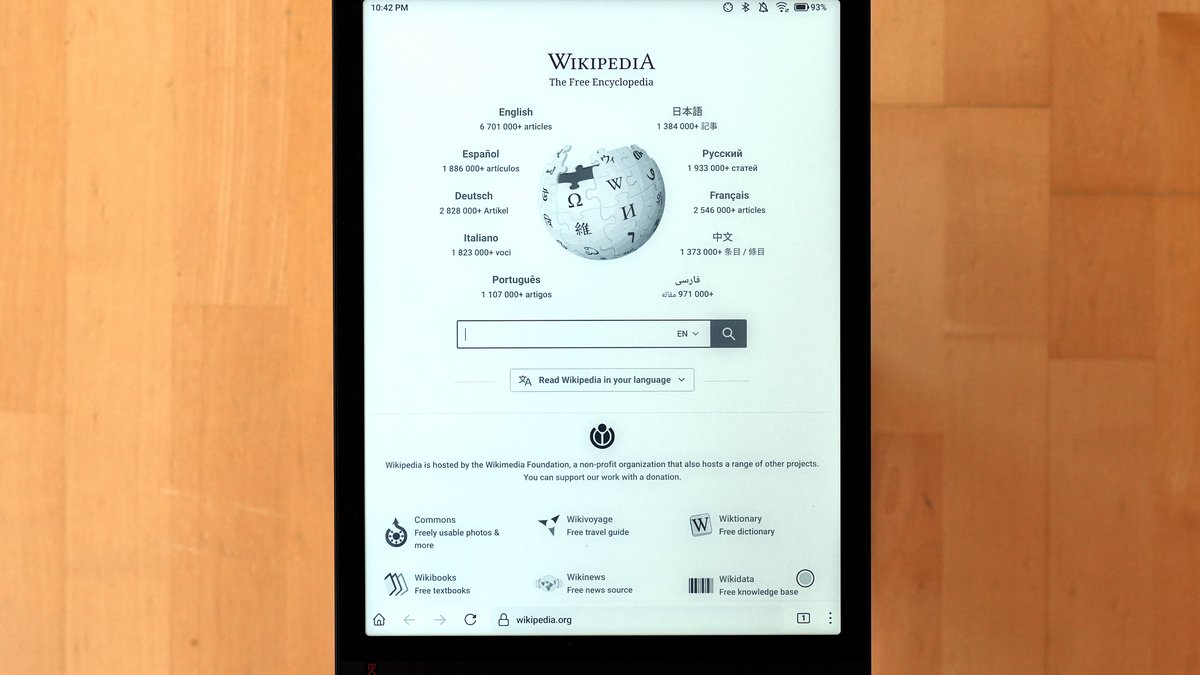
Readwise Books, now in beta, sells ebooks, tracks reading sessions and imports Kindle and Goodreads history. The company says it carries more than a million ebooks from all major publishers in the U.S.

Trade and editorial reviews and everyday reader reviews do different jobs. Here is how each one helps a book, who reads them, and how authors can use both.

With huge numbers of new books published every year, reviews remain one of the strongest signals readers use to decide. Here is how reviews work for discovery and how authors can earn them ethically.

Your author photo appears on retailer pages, book jackets, event posters and every interview. Here is why it matters and a practical checklist for getting one that works.

Sutton Lewis opens the Legends Unearthed series with four friends, a World War II notebook and the legend of a treasure hidden in the Philippines.

Roy Edward Jackson's Reel Around the Fountain, published by Lethe Press in June 2026, follows a thirteen-year-old in working-class Michigan as he digs into the family stories about his birth.

John Cheyenne Wilbur's first novel, Grace Notes, published by Atmosphere Press in July 2026, follows Jerry Cradleman's search for faith, belonging and a place to call home.

Market intelligence tools help indie authors analyze keywords, genres and competition. A five-step process for using them to test a niche.

The Goodreads Author Program is free; Giveaways are paid, with Standard listed at $119 and Premium at $599. Who qualifies, how to apply, Kindle vs print giveaways and what Goodreads does not promise.
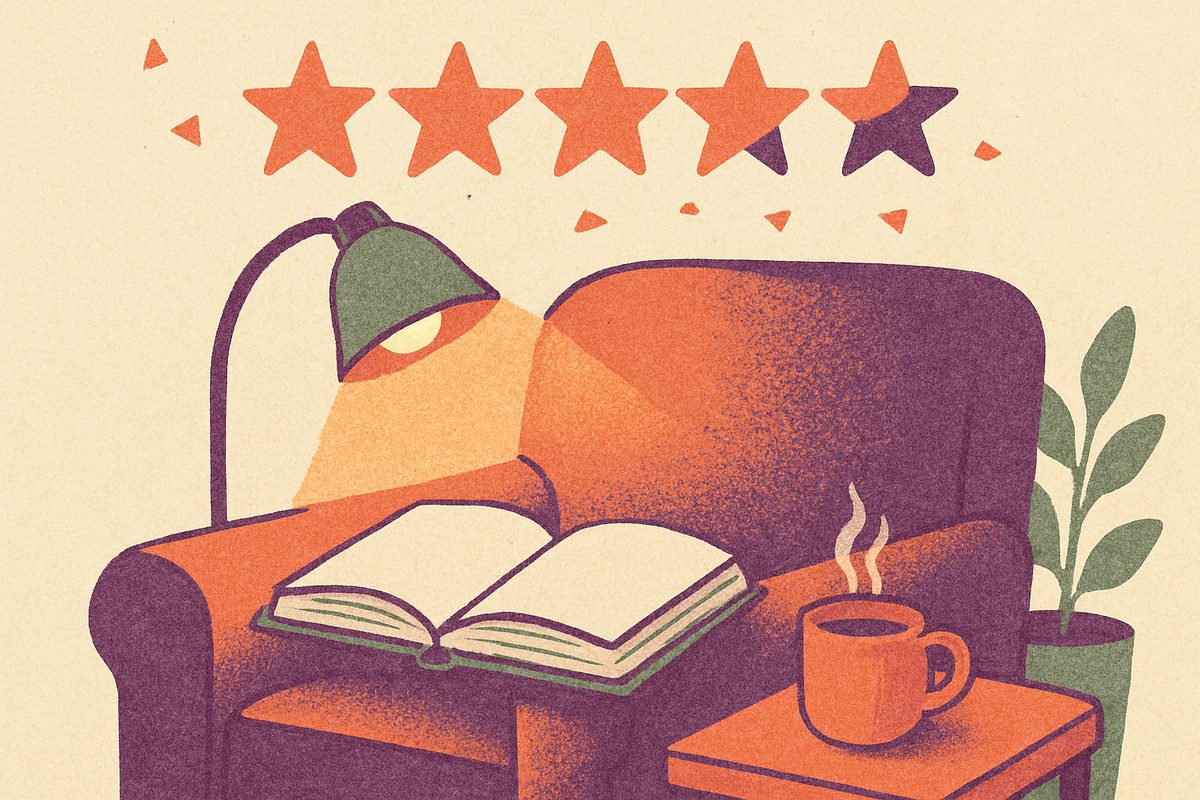
Goodreads readers can now rate books in quarter-star steps from 0.25 to 5.0. Book pages still show five histogram bars, and averages may shift over time.

The intersection of artificial intelligence and commercial publishing has created a complex landscape where traditional houses act as both eager adopters and fi…

The modern self-publishing landscape demands rigorous preparation months before a title hits virtual shelves.

When indie authors plan a book launch, securing early editorial and reader reviews is the single most important pre-order conversion driver.

The self-publishing landscape has evolved dramatically over the last decade, making list-building a non-negotiable pillar of a sustainable author career.

Writing a standalone novel is an exercise in managing a single contained ecosystem, but scaling a multi-book universe introduces exponential complexity.

An Advanced Review Copy (ARC) team acts as the shock troops for your book launch. When an indie author publishes a new title on Amazon KDP
When an ARC reader receives a raw EPUB or MOBI file via email, the technical friction alone can kill their motivation to read your book.
For most of their history, the best-known literary prizes have judged books that reached readers through traditional publishers.
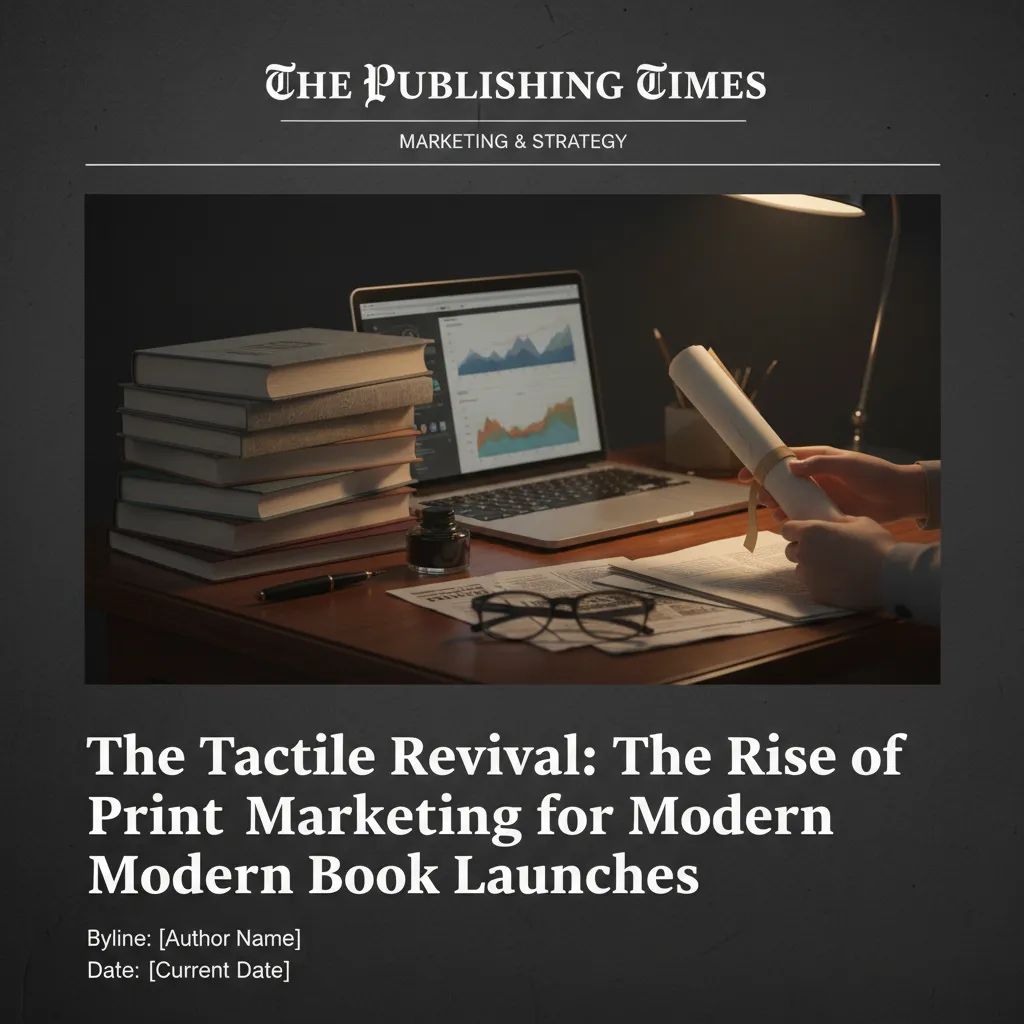
Book launches today often lean on digital tools: retailer pages, online advertising, social media posts and email campaigns.
Online retailers, recommendation engines and reading platforms now stand between most books and most readers. A reasonable question is how much of book discovery those systems actually account for.

The modern book marketplace relies heavily on algorithmic momentum. When an indie author publishes a new title on Amazon KDP

Authors are routinely advised to be everywhere at once: on social platforms, in video, on podcasts and in readers' inboxes. Time and money are finite, however, and the practical question is which of those channels actually sell books.
Three episodes at the Pulitzer, the Nobel and the Booker show what a prize depends on: a process readers can trust.
AI is reshaping book discovery, from fake books under real names to fake reviews and new legitimate tools. Documented cases and responses.
KDP now comes with hardcover printing, title limits and AI disclosure rules. What the 2026 professional standard for print authors looks like.
An editorial on the spread of book awards, citing a 2014 study that found prizewinning books drew more readers but saw their Goodreads ratings fall faster than shortlisted books.
Reviews come from everywhere now, and so do fake reviews and misattributed books. The documented problems and the responses from platforms and regulators.
Research by Balázs Kovács and Amanda Sharkey found prizewinners' ratings fall after a win, and fake reviews and paid awards can also mislead. How to read these signals well.
Prizes shape what readers buy and how they judge books, and how a prize is run affects how much trust it deserves. What the evidence shows.
One email when a new article about Goodreads is published. Confirm by email; unsubscribe any time.
Add this badge to your site. It links to this coverage page.