The Publishing Times
All the News That’s Fit to Publish
book-awards · Guides
Tomi Adeyemi on the film of her hit novel Children of Blood and Bone: ‘I don’t plan to watch it’
Tomi Adeyemi reflects on her challenging journey adapting her hit novel for Hollywood. Her experience highlights the importance of maintaining creative control.
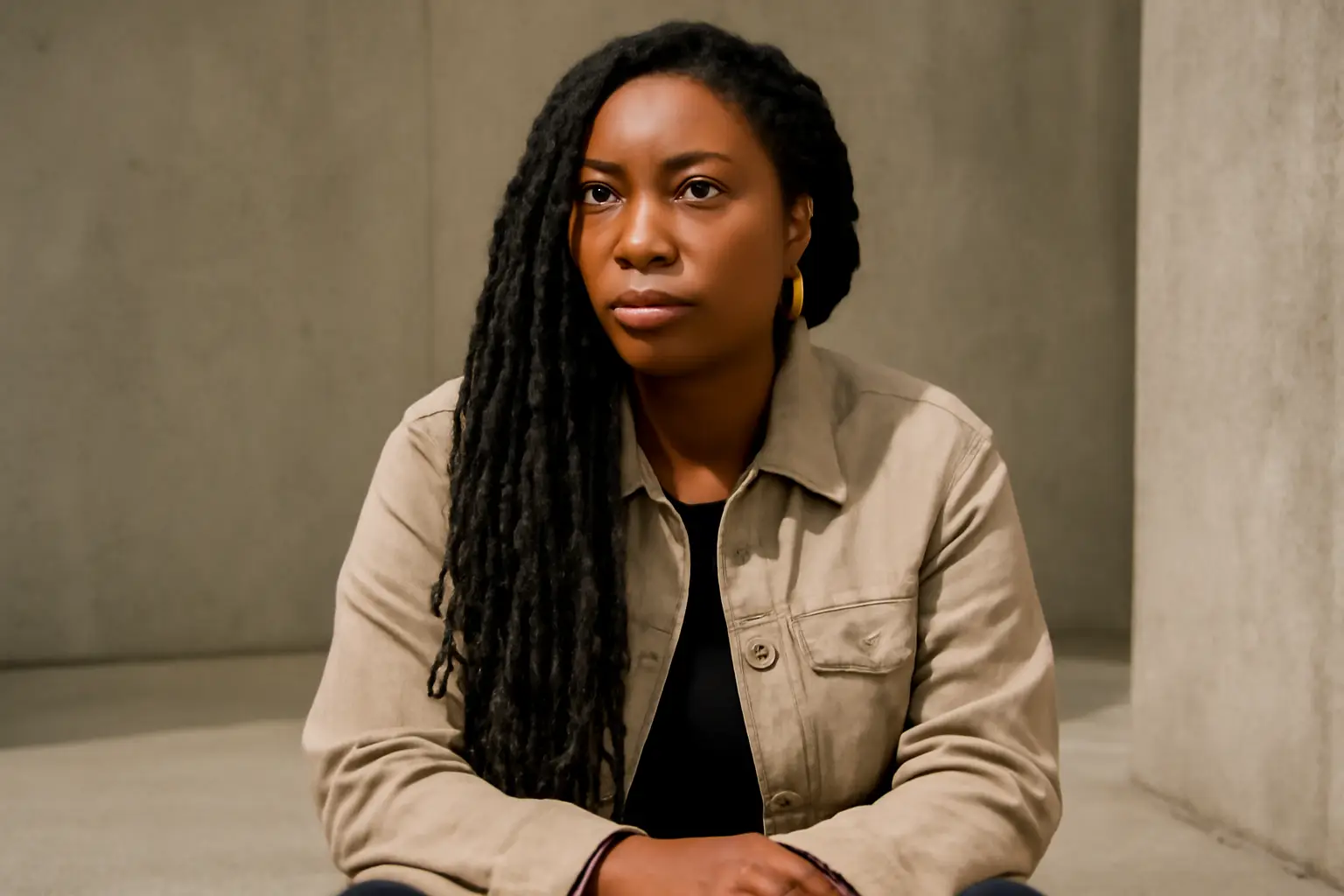
A Cautionary Tale: Tomi Adeyemi’s Journey from Page to Screen
In a remarkable intersection of literary success and Hollywood ambition, bestselling author Tomi Adeyemi prepares to step into a realm that many would dream of—seeing their written word translated into film. Yet, contrastingly, Adeyemi's recent reflections reveal a more complex emotional landscape than one might expect. "I don’t plan to watch it,” she says, echoing the sentiments of many authors who have ventured into the world of adaptations only to find their works interpreted in ways far removed from their original visions.
A Creative Odyssey
Adeyemi’s novel, Children of Blood and Bone, launched her to notoriety, captivating readers with its rich narrative and vivid world-building. At its core lies a fierce tale of magic, resilience, and cultural depth, themes that have struck a profound chord with readers around the globe. But as she coalesced with Hollywood’s creative machinery, Adeyemi experienced a tumultuous journey rife with challenges, ultimately leading her to refuse the fruit of her labour—she cannot bear to watch what has become of her work.
From Empowerment to Disappointment
Adeyemi's initial excitement about the film project, buoyed by a successful book tour and burgeoning fanbase, gradually transformed into something resembling disillusionment. The author, who bravely endeavours to lay bare her encounter with Hollywood, found herself increasingly at odds with the commercial impulses of the film industry. In her candid admission to The Guardian, she expresses how vital the preservation of her artistic integrity became as she navigated the pressure-laden discussions with studio executives.
Although adapters often hold to the mantra of "creating for the audience", she discerned that their version diverged from the message and nuances inherent in her storytelling. "I want my story to be told authentically; my truth is embodied in every syllable of this novel," Adeyemi reflects.
The Cultural Elixir
At its heart, Children of Blood and Bone is not merely an adventure tale; it serves as a cultural commentary filled with insights about race, identity, and resistance—elements particularly relevant in today’s conversations around representation in media. Adeyemi had hoped that Hollywood would honour the cultural richness of her story. Instead, she felt that the film's approach risked diluting the very essence of what made her work resonate.
For Adeyemi, the adaptation process became a double-edged sword; while the film had the potential to expose her work to new audiences, the very medium she sought as a vehicle for wider representation began to threaten her identity as an author. The emotional toll of this experience cannot be dismissed. It is a reminder of the unique pressures faced not just by high-profile authors but also by indie writers seeking to expand their narratives beyond the printed page.
The Reality of Creative Control
This saga reveals a crucial lesson for both seasoned authors and indie creators alike: the obsession with the big screen does not come without heavy burdens. The right to artistic integrity, particularly when tied to one's identity and cultural narrative, cannot be underestimated.
- Ownership of Intellectual Property: Ultimately, authors must maintain control over their literary works. It is a fundamental right that safeguards their creative vision.
- Evaluate Adaptation Offers: Not all offers are created equal. Adeyemi’s experience serves as a stark reminder to evaluate adaptation requests through the lens of personal and cultural alignment.
- Seek Trusted Collaborators: Establishing a partnership with producers and studios who respect the source material is paramount. An author's voice, vision, and message must remain central.
What This Means for Authors
Adeyemi’s journey serves as a pivotal case study for authors considering adaptation deals. The film industry is often seen as an alluring opportunity, but the reality can lead to compromises that may distort the very stories creators hold dear. In an age where multimodal storytelling prevails, maintaining the original spirit of the work should be non-negotiable.
Indie authors, in particular, may face daunting challenges in navigating their creative properties amidst larger corporate structures. Self-publishing offers an avenue for retaining control, yet the enticing potential of wider exposure through Hollywood comes with substantial risk. As flagged by Adeyemi’s experience, the paramount consideration is to ensure that adaptations reflect the richness of their original narrative.
Still, this does not preclude the excitement that adaptations can provoke nor the doors they can open. Authors must exercise discernment, understanding that being asked for their stories can be both an honour and a threat and actively seek out roles that they want to play in any adaptation.
Reflections on the Unseen
The inevitable fallout in the wake of Adeyemi's adaptation journey is not simply personal; it reverberates through the publishing community, igniting discussions about the importance of narrative ownership. It serves as a firm reminder that stories do not belong to the machines of production but to the souls of those who dream them. For as long as there are authors dreaming, the push for control will remain critical.
As the conversation around adaptation evolves, we invite readers across the spectrum—authors, readers, and industry professionals—to reflect on the lessons laid bare in Tomi Adeyemi's experience. What does it mean to be a creator navigating unfamiliar waters? What level of control is non-negotiable for you? The dialogue is open.
Source: The Guardian Books