The Publishing Times
All the News That’s Fit to Publish
industry · Guides
How Indie Authors Have Sold Film Rights in 2026: Real Success Stories and Strategies
The barrier between self-publishing and Hollywood has completely dissolved. In the past, studios relied exclusively on literary agents pitching Big Five manuscr…
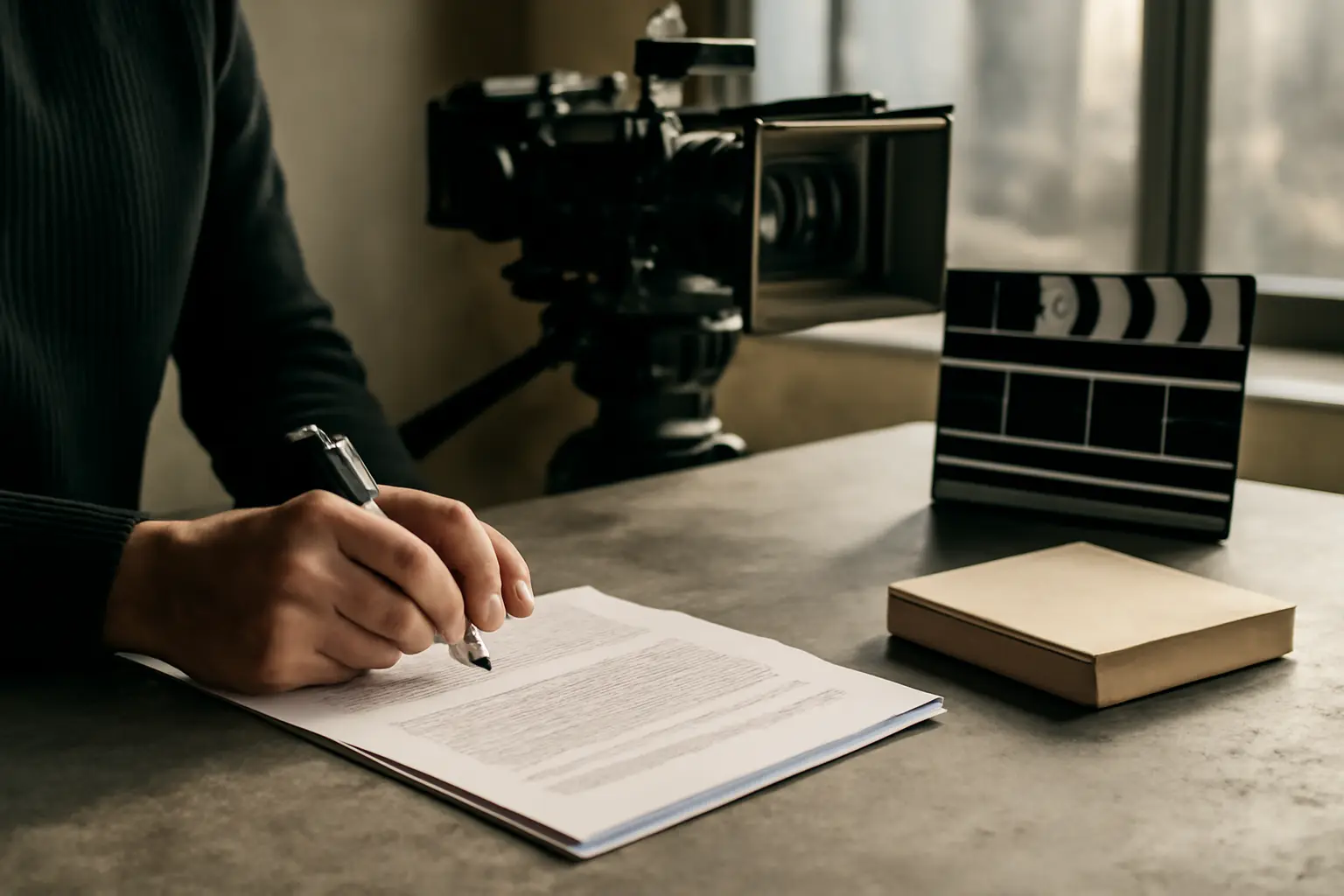
How Indie Authors Have Sold Film Rights in 2026: Real Success Stories and Strategies
Selling film rights as an indie author is the process of licensing your self-published book's adaptation, television, or streaming rights to a Hollywood producer, studio, or independent production company. For decades, traditional publishing held a monopoly on Hollywood adaptations, but the digital publishing boom has transformed streaming platforms and studios into hungry hunters for proven, data-backed intellectual property. This article covers the exact roadmaps, real-world case studies, and strategic frameworks indie authors use to successfully option and sell their book-to-screen rights to Hollywood in 2026.
Table of Contents
- The State of Indie Book-to-Screen Adaptations in 2026
- Step 1 of 4: Building a Marketable IP That Hollywood Wants
- Step 2 of 4: Packaging Your Book for Producers and Scouts
- Step 3 of 4: Pitching, Networking, and Landing an Entertainment Attorney
- Step 4 of 4: Negotiating Options, Shopping Agreements, and Shop Deals
- Real Success Stories: How Indie Authors Made the Leap
- Frequently Asked Questions
- Conclusion and Next Steps
The State of Indie Book-to-Screen Adaptations in 2026
The barrier between self-publishing and Hollywood has completely dissolved. In the past, studios relied exclusively on literary agents pitching Big Five manuscript submissions. Today, streaming services like Netflix, Amazon Prime Video, Apple TV+, and specialized independent production houses scour platforms like Amazon KDP, Wattpad, and TikTok to find established fanbases.
When an indie author sells film rights, they aren't just selling a story; they are selling a de-risked asset. Hollywood executives love intellectual property that comes with thousands of verified reviews, active reader communities, and proven sales velocity. According to industry tracking by Publishers Weekly, independent authors now account for a substantial percentage of raw material optioned for visual media.
Understanding how to position your self-published catalog for Hollywood requires treating your books like commercial products. Whether you write pulse-pounding thrillers, cozy mysteries, or sprawling science fiction, the mechanics of selling film rights rely on discoverability, clear high-concept pitches, and professional networking.
Step 1 of 4: Building a Marketable IP That Hollywood Wants
Before a producer ever considers optioning your book, the underlying intellectual property must possess qualities that translate visually and financially to the screen. Hollywood is fundamentally risk-averse; producers look for built-in audiences, clear visual set pieces, and stories that fit neatly into existing genre expectations while offering a fresh hook.
Writing with Visual Mediums in Mind
While great interior monologue makes for an incredible reading experience, film and television require externalized conflict. When drafting or auditing your backlist for film potential, examine your scenes. Do your characters make decisions that lead to visual friction? Are your settings distinct and memorable? Indie authors who successfully transition to the screen often write cinematic prose that allows producers to immediately picture the trailer.
Cultivating Proof of Performance
Producers rarely take chances on completely unknown, unverified stories unless a manuscript wins a major script competition. Indie authors have a massive advantage here: sales data. High review counts on Amazon KDP, consistent appearances on bestseller lists, and viral momentum on social media act as proof of performance. If a book has sold 50,000 copies, a producer knows there is a baseline audience willing to spend money on that universe.
Genre Sweet Spots for Adaptation
Not all genres enjoy equal demand in the option market. High-concept thrillers, domestic suspense, dark romance, science fiction, and fantasy dominate adaptation requests. Furthermore, character-driven procedurals with serialized potential—stories that can sustain multiple seasons on a streaming network—attract television scouts faster than standalone literary dramas.
Step 2 of 4: Packaging Your Book for Producers and Scouts
Once your intellectual property is strong, you must package it in a format that busy Hollywood executives can digest in under five minutes. Producers, development executives, and literary scouts do not have time to read every self-published novel from cover to cover. They rely on tightly crafted pitch materials that summarize the commercial viability of the work.
Creating the Ultimate Pitch Deck
A book pitch deck (often called a lookbook) is a visual slide presentation that outlines your story's potential as a film or television series. It typically includes:
- The Logline: A one-sentence hook summarizing the core conflict and stakes.
- The Synopsis: A brief, three-paragraph summary of the beginning, middle, and explosive climax.
- Comparable Titles ("Comps"): References to existing movies or shows (e.g., Gone Girl meets Knives Out).
- Audience Demographics: Sales metrics, review totals, and target audience profiles.
- Character Breakdowns: Brief sketches of the protagonist, antagonist, and supporting ensemble.
Leveraging Book-to-Screen Competitions
Several reputable platforms and festivals help bridge the gap between indie authors and Hollywood decision-makers. Competitions like the Pitch Wars legacy, the Page International Screenwriting Awards, and specialized book-to-screen showcases (such as those hosted at major writers' conferences) provide direct pipelines to literary scouts. Winning or placing as a finalist in these events grants instant credibility.
| Platform / Tool | Primary Focus | Best For | Average Cost / Model |
|---|---|---|---|
| Publishers Marketplace | Industry Deals & Scouting | Tracking active editors and agents | Subscription-based database |
| Stage 32 | Writer-Producer Networking | Direct pitch sessions with execs | Pay-per-pitch / Education |
| The Black List | Script & Book Evaluation | Professional industry reads | Submission fee + hosting |
| BookFunnel | Reader Magnets & Lists | Building foundational mailing lists | Annual subscription tiers |
Step 3 of 4: Pitching, Networking, and Landing an Entertainment Attorney
Navigating the Hollywood landscape requires understanding who holds the keys to the kingdom. Traditional literary agents focus primarily on publishing deals, though many now have co-agents or departments dedicated to film and television rights. However, many indie authors successfully pitch producers directly or partner with co-agents specifically for media rights.
Direct Outreach to Independent Producers
Independent production companies—especially those founded by actors or directors looking for creator-owned material—are often more accessible than major studios like Warner Bros. or Universal. Research indie producers via IMDbPro who have recently released films similar in tone to your book. Send a professional, concise query letter highlighting your book's sales data, high-concept premise, and built-in readership.
The Critical Role of an Entertainment Attorney
Unlike standard publishing contracts where an author might rely on a traditional literary agent or review the clauses themselves, never sign a film option or shopping agreement without a qualified entertainment attorney.
Entertainment lawyers negotiate the fine print regarding:
- Option Periods: How long the producer holds exclusive rights to shop the project (typically 12 to 18 months, with extension clauses).
- Purchase Price: The total payout if the film is actually made.
- Net Profits vs. Gross Participation: Ensuring you understand how Hollywood accounting handles backend compensation.
- Credit and Approval Clauses: What creative input, if any, you retain over the script adaptation.
Step 4 of 4: Negotiating Options, Shopping Agreements, and Shop Deals
When an interested producer or studio wants to lock down your book, they rarely purchase the rights outright on day one. Instead, they enter into an option or shopping agreement. Understanding these financial and legal instruments protects your intellectual property from getting trapped in development hell without compensation.
The Anatomy of a Book Option Agreement
An option is a contract where a producer pays a percentage of the total purchase price (known as the option fee) for the exclusive, temporary right to develop and pitch your book for film or television.
- The Option Fee: Typically ranges anywhere from a nominal sum for indie short-form producers to thousands of dollars for well-funded indie houses.
- The Exercise Price: The pre-agreed total purchase price the studio must pay if they officially greenlight production and pick up the option.
- Reversion Rights: If the option period expires and the producer has not produced the film or renewed the option, all rights revert entirely back to the author.
Shopping Agreements vs. Options
A shopping agreement is distinct from an option. In a shopping agreement, the producer does not pay an upfront fee for exclusive rights. Instead, they act as your champion, taking your book to studios and financiers with the agreement that if they successfully set the project up, they become the attached producer and you negotiate a formal contract then. Shopping agreements are common when pitching to newer production companies, but authors should always secure sunset clauses that limit how long the producer can "shop" the title.
Master the art of building a rabid, loyal reader base that Hollywood scouts and analytics firms track when searching for breakout indie intellectual property.
→ Get it on AmazonReal Success Stories: How Indie Authors Made the Leap
Examining real-world examples demystifies how indie authors transition from selling ebooks on Amazon KDP to seeing their names in cinematic credits.
The Self-Published Phenomenon: Hugh Howey and Silo
Perhaps the most famous modern indie adaptation success story is Hugh Howey's sci-fi masterwork Wool. Howey initially published the short story independently in 2011 before expanding it into a series. Instead of immediately signing away rights to a traditional publisher, he maintained control until AMC—and later Apple TV+—came calling. Howey structured his deal to serve as an executive producer, proving that indie authors can retain significant creative influence and financial upside when their books explode.
The Romance and Suspense Wave
Countless mid-list indie authors writing contemporary romance, psychological thrillers, and romantic suspense have quietly optioned their backlists to independent film companies specializing in streaming services like Lifetime, Hallmark, and passion-project platforms. These deals often start with a producer discovering a series with five or more books, allowing the studio to envision a multi-film franchise rather than a one-off movie.
Case Study: Mid-List Mystery Indie Author — Before & After
Before: Selling 1,500 copies per month across a 6-book cozy mystery series with zero Hollywood connections and a standard digital footprint.
After: Secured a 12-month paid option agreement with an independent Los Angeles production company for a 5-figure sum, with a path toward a streaming television series pilot.
What changed: The author packaged the series into a professional lookbook, highlighted a consistent 4.8-star review average across 3,000 ratings, and hired an entertainment attorney to pitch independent producers listed on IMDbPro.
Essential Checklist for Indie Authors Seeking Film Rights
Use this actionable checklist to evaluate your readiness for the Hollywood adaptation market:
✅ Audit Your Backlist: Identify standalone books or completed series with high-concept hooks and visual settings.
✅ Check Your Metrics: Ensure your books have stable review counts, consistent sell-through rates, and active reader engagement.
✅ Build a Pitch Deck: Create a 5-to-10 slide visual lookbook outlining loglines, comps, and character profiles.
✅ Research Producers: Use IMDbPro to find indie producers who specialize in your specific genre and tone.
✅ Secure Legal Counsel: Interview and retain an entertainment attorney before signing any option or shopping paperwork.
✅ Protect Your Brand: Keep your publishing rights distinct from media rights so you can retain foreign, audio, and print control.
Learn the foundational business strategies of treating your writing career like a multi-media enterprise from day one.
→ Get it on AmazonFrequently Asked Questions
Q: Do I need a traditional literary agent to sell my book's film rights?
A: No. While traditional agents often handle subsidiary rights, many indie authors pitch independent film producers directly or hire entertainment attorneys and co-agents specifically to negotiate media deals. What matters most to Hollywood is the strength of the IP and its audience metrics, not who represents you.
Q: How much money do indie authors typically make from a movie option?
A: Option fees vary wildly based on the budget of the production company and the market demand for the book. Initial option fees can range anywhere from nominal sums for small indie start-ups to five figures for competitive properties. If the film is actually produced, the purchase price increases substantially, often supplemented by backend profit participation.
Q: Can I write the screenplay adaptation for my own book?
A: Rarely, unless you are an experienced screenwriter member of the Writers Guild of America (WGA). Hollywood studios almost always prefer hiring professional screenwriters to adapt novels into scripts because writing a book requires a completely different technical skill set than structuring a 110-page cinematic screenplay.
Q: What is the difference between a shop agreement and an option agreement?
A: An option agreement gives a producer exclusive, paid rights to develop your book for a set period. A shopping agreement is typically unpaid and non-exclusive or semi-exclusive, allowing a producer to pitch your book to studios on your behalf without locking up your rights for cash upfront.
Q: How do producers find self-published books on platforms like Amazon?
A: Producers, scouts, and development assistants utilize specialized data-tracking tools, browse bestseller lists on Amazon KDP, monitor book-to-screen pitch festivals, and track viral book recommendations across social media platforms like TikTok and Instagram.
Q: What genres have the highest demand for film and television adaptations?
A: High-concept thrillers, domestic suspense, science fiction, fantasy, and character-driven contemporary romance dominate adaptation markets. Serialized stories with recurring characters that lend themselves easily to television series arcs are especially prized by streaming networks.
Q: Should I sign away my print and audio rights when selling film rights?
A: Never. Ensure that your entertainment attorney carefully restricts the contract strictly to audiovisual, motion picture, television, and associated merchandising rights. Retain your publishing, translation, and audio rights so you maintain complete control over your core book business.
Q: How long does development hell usually last for an optioned book?
A: "Development hell" can last anywhere from a few months to several years. This is why reversion clauses in your option contract are vital; if a studio fails to greenlight the project or renew the option before the expiration date, all rights automatically revert back to you.
Conclusion and Next Steps
Breaking into Hollywood as an independent author requires treating your catalog as high-value intellectual property, packaging your stories with professional pitch materials, and partnering with qualified legal counsel to protect your assets. By focusing on building a rabid readership, maintaining clean genre expectations, and understanding the mechanics of option agreements, you position your work to capture the attention of modern streamers and producers.
To dive deeper into self-publishing optimization, explore Browse all author guides, check out essential resources on Author Tools, or visit The Publishing Times for daily industry coverage. Stay ahead of every publishing industry change — subscribe to The Publishing Times newsletter and get the week's most important self-publishing news delivered every Monday.