The Publishing Times
All the News That’s Fit to Publish
Industry Analysis · Guides
The Format Revolution: Why Niche KDP Print Is Eating Legacy Publishing's Lunch
Standard paperbacks are yesterday's news. Smart KDP publishers are minting fortunes in puzzle books, hymn books, and hyper-targeted print formats.
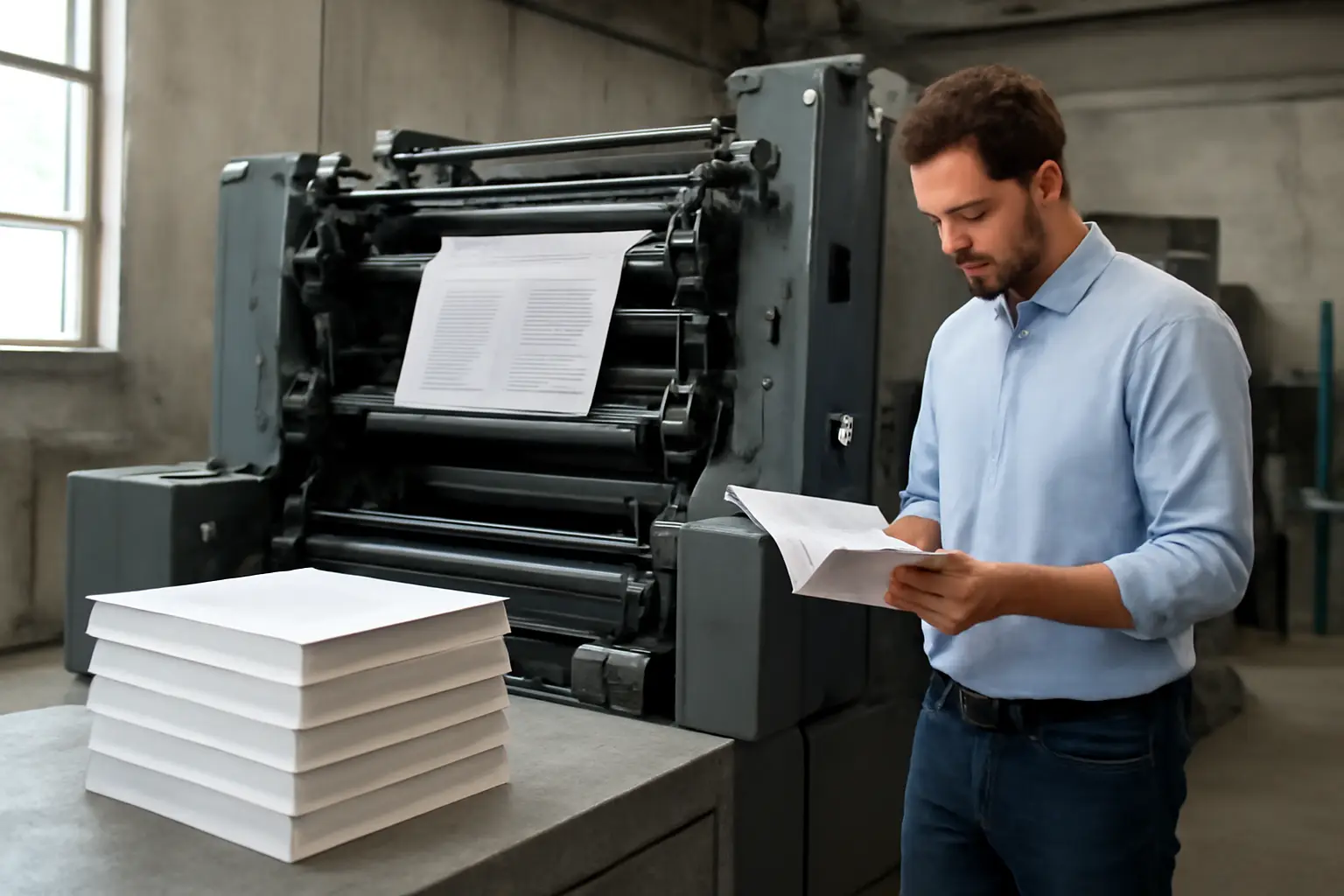
For too long, the legacy publishing establishment has dictated what a book looks like. A standard 6x9 paperback, a cream paper interior, a glossy matte cover. Rinse and repeat. But while the traditional houses in London and New York obsess over their tired aesthetic, a quiet revolution has been taking place on the digital frontier. Smart independents are discovering that the future of KDP print belongs not to standard novels, but to hyper-specific, functional, niche formats that actually solve problems for readers.
Look at the data coming out of the indie sector. Creators are no longer just uploading manuscripts; they are engineering physical artefacts. From meticulously formatted hymn books and classroom course packs to bespoke puzzle books and vinyl album booklets, the modern KDP print landscape is a masterclass in utility. Readers do not just read these books—they write in them, study from them, play with them, and collect them. Legacy houses look down on these formats as unliterary. We call them lucrative.
The Death of the Standard Paperback Monoculture
There is an arrogance embedded in the traditional publishing model that assumes readers only want passive entertainment. The rise of niche KDP print proves otherwise. When an author publishes a targeted educational flashcard set or a specialized manual, they are tapping into direct consumer demand that traditional bookstores ignore due to shelf-space constraints. Amazon's print-on-demand infrastructure has leveled the playing field, allowing micro-genres and functional paper goods to compete on an equal footing with blockbuster fiction.
To master this shift, creators need to look closely at how tools have evolved. If you want to understand the mechanical precision required to build these non-traditional layouts, resources like How to Design a Puzzle Book for Kids offer a masterclass in shifting from passive storytelling to interactive design. It is no longer about writing the next great American novel; it is about architecting a physical product that commands a higher perceived value.
Engineering Utility in the Digital Age
Why are these unconventional formats thriving? Because digital screens cannot replicate the tactile satisfaction of a physical workbook or a beautifully bound hymn book. In an era where everything is digital, physical utility is the ultimate luxury. Publishers who cling exclusively to standard prose are missing the broader economic shift. The real money in KDP print is found at the intersection of craftsmanship and niche utility.
Stop trying to beat legacy publishers at a game they rigged centuries ago. Invent your own rules. Explore unconventional trim sizes, embrace spiral or hardbound options where available, and build products that serve hyper-targeted communities.
Take a hard look at your publishing catalogue today. Identify one niche format—whether it is a specialized journal, a workbook, or a localized guide—and build a physical product that demands to be held. The gatekeepers are asleep at the wheel; it is time to take the keys.