The Publishing Times
All the News That’s Fit to Publish
industry · Guides
BookTok's Biggest Books of 2026: How Social Media Is Reshaping What Gets Published
The landscape of social reading has matured drastically since its breakout years. In 2026, BookTok is no longer a chaotic frontier of random breakout hits; it i…
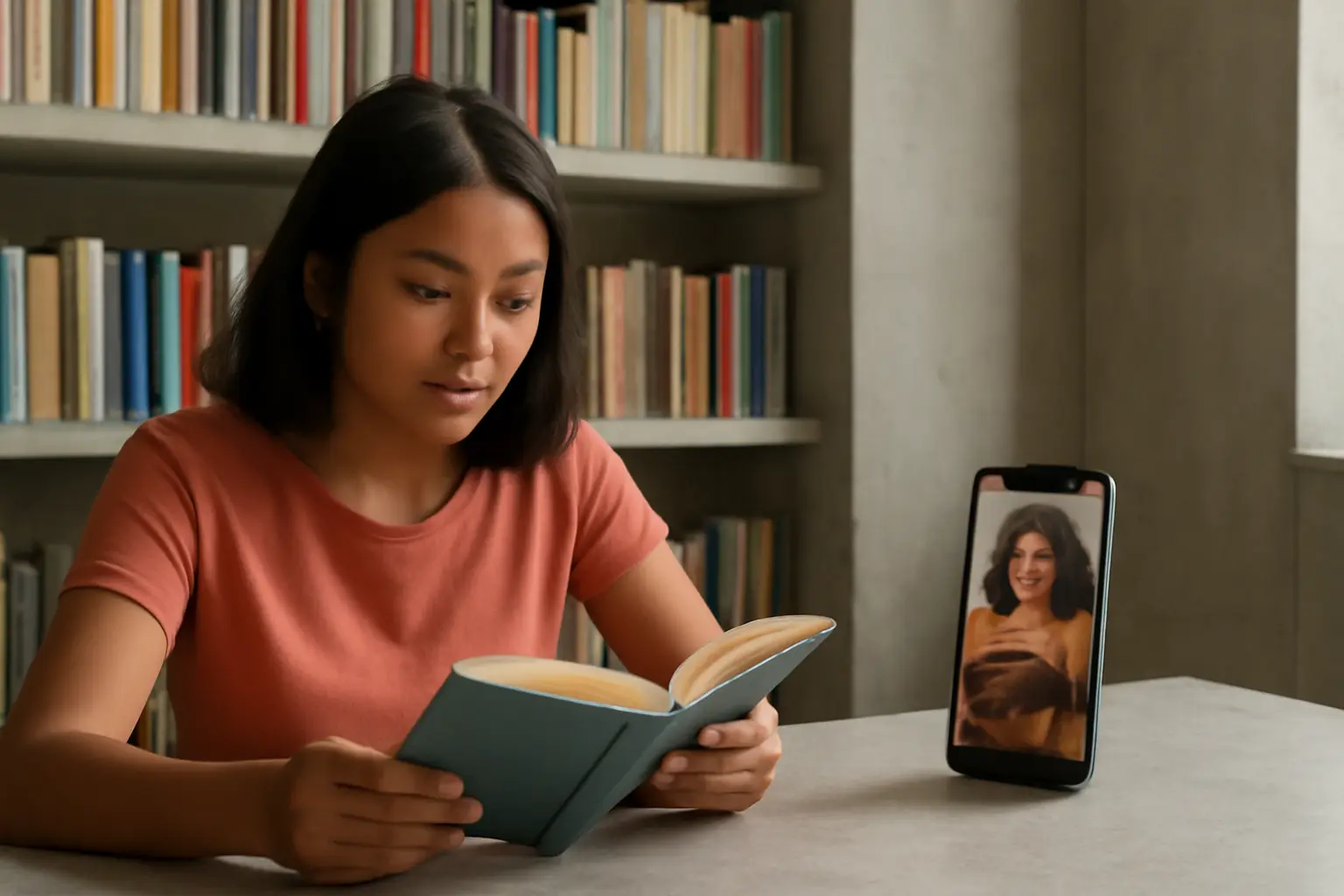
BookTok's biggest books of 2026 share a recognizable profile: high-concept tropes, packaging built to look good on camera, and validation from reader communities that now drives what modern publishers acquire. For indie authors working today's market, a subject The Publishing Times follows closely, knowing how TikTok trends turn into commercial success is no longer optional. It has become the blueprint for staying in business. This article looks at how the most powerful reading community in the world is reshaping traditional houses, changing indie author strategy, and altering how stories are conceived, packaged and sold in 2026.
Table of Contents
- The Evolution of BookTok in 2026
- Step 1 of 4: Decoding the 2026 Algorithmic Triggers
- Step 2 of 4: Engineering Trope-First Narratives for Viral Discovery
- Step 3 of 4: Designing Hyper-Visual Covers and Physical Editions
- Step 4 of 4: Building Direct-to-Reader ARC Funnels
- Comparing BookTok Launch Strategies for Indie Authors
- Frequently Asked Questions
- Conclusion and Industry Outlook
The Evolution of BookTok in 2026
Social reading has grown up a great deal since its breakout years. BookTok in 2026 is no longer a wild frontier where random books blow up overnight. It is a polished marketing ecosystem worth a great deal of money, tied closely to major publishers and to nimble independent creators. Traditional gatekeepers have gone from watching on the sidelines to taking part, combing hashtags and small communities every day to catch trends before they peak. For indie authors, getting seen has never been easier, but holding attention now takes professional precision.
The Shift From Organic Discovery to Intentional Engineering
Authors and publishers have stopped waiting for lightning to strike on its own. Book marketing today means deliberately building in the structural features the algorithm rewards: sudden emotional turns, cliffhangers that work when read aloud on video, and distinctive visual motifs. As Publishers Weekly regularly reports, acquisitions editors increasingly weigh a book's BookTok potential alongside the usual manuscript synopsis. That change pushes indie authors to adjust how they write so their books contain what readers want to show off on their feeds.
Micro-Communities and Niche Tropes Dominate
Early BookTok revolved around a handful of broad romance and fantasy titles. In 2026 the platform has split into very specific micro-communities. Dark academia, cozy fantasy, monster romance and dystopian sci-fi each have their own creator ecosystems with their own aesthetic standards. The authors who last are not trying to please everyone. They aim squarely at one of these lively subcultures, building custom lore and inside jokes that land hard with core fans.
The Convergence of Digital Hype and Physical Retail
Oddly enough, a digital-first phenomenon has set off a huge boom in print sales. Special editions with sprayed edges, foil stamping and illustrated endpapers crowd the bestseller lists. Big retailers like Barnes & Noble and independent bookstores both set up dedicated "BookTok Tables," physical versions of the platform's trending audio clips and reviews. Indie authors publishing through Amazon KDP need case laminate hardcovers and wide distribution to reach this profitable collector market.
Step 1 of 4: Decoding the 2026 Algorithmic Triggers
Working out how the TikTok algorithm carries books to millions of readers means studying watch time, the speed of comments and shared audio trends. Authors have to learn the platform's own language instead of treating it like an old-style advertising billboard.
Hooking the Viewer in the First Three Seconds
Today's book buyer scrolls extremely fast. A video about a book has to establish high stakes, visual intrigue or a strong emotional hook right away. Creators do not summarize plots. They show gut reactions, dramatic quotes and shocking twists. Indie authors picking up this skill have to boil a 100,000-word manuscript down to one punchy sentence that sparks curiosity on the spot.
Leveraging Audio Trends and Meta-Commentary
In 2026, videos built only from still shots of book covers keep falling flat. The algorithm favors lively storytelling, green-screen commentary in which creators react to their own characters' dynamics, and smart use of trending audio. Successful authors team up with creators who know how to lay an emotional music bed under character aesthetics, turning a plain recommendation into a small cinematic experience.
Analyzing Comment Section Engagement
The comment section keeps a book visible on social media. When readers argue over a character's morality, ship rival pairings or guess at twists, the algorithm reads that heavy engagement as valuable content and shows it to more people. Authors who join those debates, or who deliberately leave some ambiguity in their books to get people talking, see big gains in reach.
Step 2 of 4: Engineering Trope-First Narratives for Viral Discovery
Many readers today go looking for a particular emotional journey, and beloved tropes are how they name it. The biggest books of 2026 do not bury their tropes under dense literary metaphor. They embrace them openly and use them as signposts for the audience they want.
The Power of Found Family and Forced Proximity
Forced proximity, enemies-to-lovers and found family are still unbeaten, because each one builds instant tension that the characters cannot escape. In a commercial indie novel meant to catch on social media, the central relationship dynamic should be in place within the first three chapters. That gives reviewers material right away to quote, discuss and turn into fan art.
Balancing Familiar Tropes with Subversion
Readers love a trope they recognize, but repetition with nothing new wears them out. The 2026 breakouts take classic setups, such as the reluctant assassin or the magical academy, and then upend expectations with fresh power dynamics, diverse characters or twists that resist easy labels.
Crafting Shareable Quotes and Dialogue
Whether a book goes viral often comes down to three to five standout lines that readers can lift out, turn into attractive graphics and post everywhere. During revision, authors should go through their dialogue and make sure the emotional high points contain sharp, memorable exchanges that still hit hard out of context.
Step 3 of 4: Designing Hyper-Visual Covers and Physical Editions
In an era of endless scrolling and carefully styled shelf photos, physical presentation matters enormously. A cover has to work both as a tiny thumbnail on a phone and as a striking centerpiece on a real bookshelf.
Thumbnail Legibility and Bold Color Theory
A reader scrolling a video feed sees a cover for less than a second. Fussy typography and muddy colors lose instantly. The best performing designs use high-contrast blocks of color, large readable author names and a single iconic central image that signals genre and mood at a glance.
The Sprayed Edge and Special Edition Revolution
Hardcore fans want more than a standard paperback. Sprayed edges, custom dust jackets and foil-stamped hardcovers fuel collecting and justify higher prices. Indie authors can use print on demand and specialty manufacturers to offer limited collector editions that set off intense FOMO (fear of missing out) in reader communities.
Advanced grammar, style, and readability checking software designed to help authors polish manuscripts to professional publishing standards.
→ Get it on AmazonVisualizing World-Building Assets
To help creators make engaging videos, forward-looking authors now hand out free digital asset packs. These hold character art, maps and official mood boards that reviewers can use as backdrops when they talk about the lore, which strengthens the bond between readers and the fictional world.
Step 4 of 4: Building Direct-to-Reader ARC Funnels
Counting on launch day sales alone is a strategy on its way out. What powers a lasting indie career is a dependable network of advance reader copy (ARC) reviewers who are ready to post excited videos the day the book comes out.
Identifying Niche Book Creators
Mass-market influencers with millions of followers tend to be expensive, and they rarely convert well for niche indie titles. Micro-influencers with 5,000 to 50,000 highly engaged followers in a specific subgenre convert far better. Authors should take time to study creator profiles and make sure past reviews match the tone and content of the new book.
Automating Digital Delivery and Feedback Loops
Handling hundreds of ARCs by hand leads straight to administrative burnout. Authors need professional distribution tools to send review copies securely, track downloads and follow up courteously for honest reviews. A smooth feedback loop means reviews show up on Amazon, Goodreads and social feeds the moment the buy button goes live.
Cultivating Long-Term Author-Creator Relationships
Treating reviewers as disposable marketing tools is a serious mistake. Successful indie authors build real, lasting relationships with creators: they support their content, celebrate their milestones and invite them to exclusive community events. Over time those relationships turn one-off reviewers into devoted, lifelong brand ambassadors.
Comparing BookTok Launch Strategies for Indie Authors
| Strategy Focus | Traditional Approach | Modern 2026 BookTok Approach | Estimated ROI for Indie Authors |
|---|---|---|---|
| Cover Design | Generic stock photo composition | High-contrast typography & custom iconography | High (Immediate visual recognition) |
| Review Outreach | Mass email blasts to blogs | Targeted micro-creator ARC box seeding | Very High (Algorithmic momentum) |
| Launch Timing | Single rigid release day | Extended pre-order lore drop with staggered reveals | Moderate to High |
| Reader Retention | Mailing list newsletters only | Interactive community lore channels & aesthetic drops | Exceptional |
Frequently Asked Questions
Q: How many social media followers does an author need before a book can trend on BookTok?
A: No minimum follower count is needed to go viral. The algorithm judges content on viewer engagement, watch time and how widely creators share it, so a book can take off even from a brand-new author account with zero followers, as long as the content connects with readers.
Q: Should indie authors pay book creators for promotional videos?
A: Paid partnerships are increasingly common, and transparency through disclosure tags like #ad or #sponsored is required both legally and ethically. Many creators, though, would rather receive physical special edition ARCs and exclusive merchandise than a flat fee, which makes organic seeding a realistic option for indie writers on a budget.
Q: What genres perform best on social reading platforms in 2026?
A: Romantic fantasy (romantasy), dark romance, contemporary romance, cozy fantasy and fast-paced thrillers lead the engagement rankings. Still, almost any genre can break through if it has strong emotional hooks, distinctive character dynamics and clear tropes.
Q: How far in advance should advance reader copies go out for a viral launch?
A: ARCs should reach creators at least 6 to 8 weeks before publication. That gives busy reviewers enough time to read the book, record and edit good video, and schedule posts to go up exactly on launch day.
Q: Is it necessary to write a series, or can standalone books succeed?
A: Standalones can hit huge viral spikes, but series and linked universes usually pay off better over the long run, because readers look forward to each new release and stay inside the author's world longer.
Q: How should authors handle negative reviews or critical video commentary?
A: Professionalism comes first. Authors should never respond to, argue with or harass creators over critical reviews. Negative or controversial commentary often generates substantial engagement on its own, and experienced indie authors simply put their energy into the next book.
Q: Can a backlist book published years ago be marketed with these methods?
A: Yes. Many of the biggest books on social media surged years after they first came out. A fresh cover, a new ARC campaign aimed at niche creators and a lean into a newly popular trope can help a stalled backlist title find a large new audience.
Q: What metrics matter most when tracking the success of a social media campaign?
A: Beyond direct sales, the numbers worth tracking are click-through rates on universal book links, how fast newsletter sign-ups come in, and how many reader-made videos use the book's chosen hashtag. Those secondary measures show whether the audience is growing in a sustainable way.
The definitive guide to building automated reader funnels and turning casual browsers into loyal, lifelong fans of indie fiction.
→ Get it on AmazonConclusion and Industry Outlook
Publishing in 2026 shows that reader communities hold the real keys to commercial success. Indie authors who understand how BookTok shapes acquisitions can plan their titles deliberately, design strong visual packages and build solid ARC funnels that reach large digital and print audiences.
The three most important takeaways are:
- Design for the Screen: Covers and marketing assets should be recognizable at a glance and built for fast scrolling.
- Embrace Core Tropes: Beloved story frameworks work best with a fresh twist that gets readers arguing.
- Cultivate Communities: Real, long-term relationships with micro-creators and readers outlast launches treated as one-off transactions.
To stay ahead of every publishing industry change, readers can subscribe to The Publishing Times newsletter, which delivers the week's most important self-publishing news every Friday. More in-depth guides are available to browse all author guides, along with the site's suite of Author Tools.
Further Reading
The Publishing Times earns a commission on qualifying Amazon purchases at no extra cost to you. See our Affiliate Disclosure.