The Publishing Times
All the News That’s Fit to Publish
publishing-news · Guides
Renaudot Names Its 2026 Finalists and Drops Thélyson Orélien
The Renaudot jury picked six novels and four essays for its centenary year and cut Thélyson Orélien's novel, which faces AI and plagiarism accusations. Winners are named Nov. 3.
The jury of the Prix Renaudot, one of France's major autumn literary prizes, has named its final selection for 2026: six novels and four essays. The ten jurors met on October 28 and dropped Thélyson Orélien's novel C'était ça ou mourir (Grasset) from the list, Livres Hebdo reported. They had kept it in their second selection on October 7 despite accusations that the author used artificial intelligence to write it.
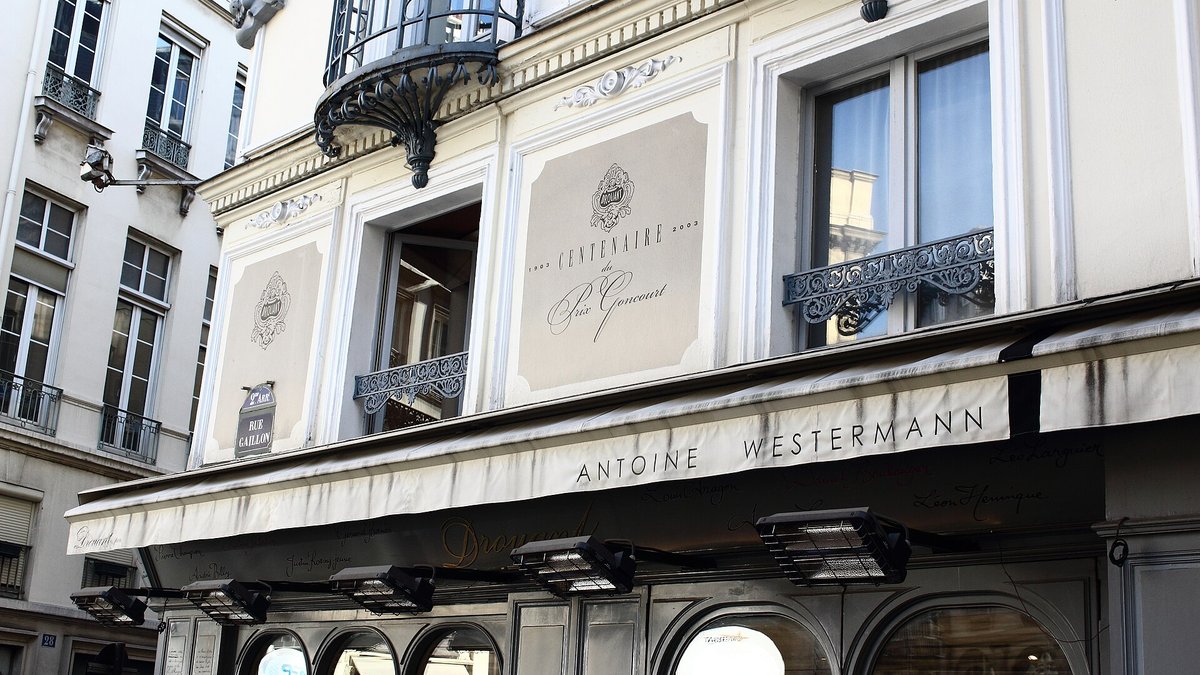
Le Figaro reported that the jury met at the Hôtel Massa, the headquarters of the French authors' society SGDL. The winners will be announced on November 3 at the Paris restaurant Drouant, right after the Prix Goncourt.
The finalists
Novels:
- François-Henri Désérable, Le Palais (Gallimard)
- David Djaïz, La méthode (Stock)
- Patrice Jean, Stay free (Le Cherche Midi)
- Osvalde Lewat, Un corps indocile (Philippe Rey)
- Anne Percin, Eugénie sous les bombes (Buchet Chastel)
- Marie Petitcuénot, Heures sauvages (Héloïse d'Ormesson)
Essays:
- Jean-Paul Enthoven, Dictionnaire amoureux du bonheur (Plon)
- Christophe Ono-dit-Biot, L'odyssée de l'Odyssée (Grasset)
- Olivier Rolin, La Guerre éternelle (Gallimard)
- Joy Sorman, La vie brute (Flammarion)
Patrice Jean was cut in the second round and is now back in the final list. Marie Petitcuénot's Heures sauvages, her second novel, is also a finalist for the Grand Prix du roman de l'Académie française, which is due on October 29. Olivier Rolin's book is on the Médicis essay list too.
The Orélien question
Orélien's book has hung over this autumn's prize lists for weeks. Earlier this month his Quebec publisher, Boréal, ended its relationship with him. Le Figaro's report on the Renaudot list calls him an author of plagiarism who is accused of using generative AI on C'était ça ou mourir. In early October the Renaudot jurors left the book in. On Wednesday they took it out.
The episode comes a day after the Goncourt academy named its own finalists and its president asked publishers to vouch that their books are written by humans, which PT covered on Tuesday.
A centenary year
This is the 100th year of the Renaudot. Journalists founded it in 1926 while they waited at Drouant for the Goncourt result, and it is still announced there right after the Goncourt.
The prize sells books. Last year's winning novel, Adélaïde de Clermont-Tonnerre's Je voulais vivre (Grasset), has sold more than 222,000 copies in print and digital and 16,000 in audio, according to figures from Hachette that Livres Hebdo reported. It comes out in paperback on February 3 with a first printing of 150,000.
Why it matters for writers
The French prizes are now dealing openly with AI. A jury that once kept a disputed book on its list has removed it, and the Goncourt is asking publishers to stand behind their authors' work. Writers anywhere who enter prizes should expect more juries and publishers to ask how a book was written, and should be ready to answer clearly.
Sources
- Livres Hebdo, October 28, 2026: Les finalistes du prix Renaudot 2026
- Le Figaro, October 28, 2026: Six finalistes pour le prix Renaudot 2026
Photo: The Drouant restaurant in Paris, where the Renaudot and the Goncourt are announced, on November 3, 2016. Photo by ActuaLitté, via Wikimedia Commons, licensed CC BY-SA 2.0.
