The Publishing Times
All the News That’s Fit to Publish
publishing-news · Guides
Yannick Haenel Wins the 2026 Prix Femina for La solitude des professeurs est infinie
Haenel took the Femina on the second ballot, six votes to two and two. Laura Kasischke won the foreign novel and Jennifer Tamas the essay.
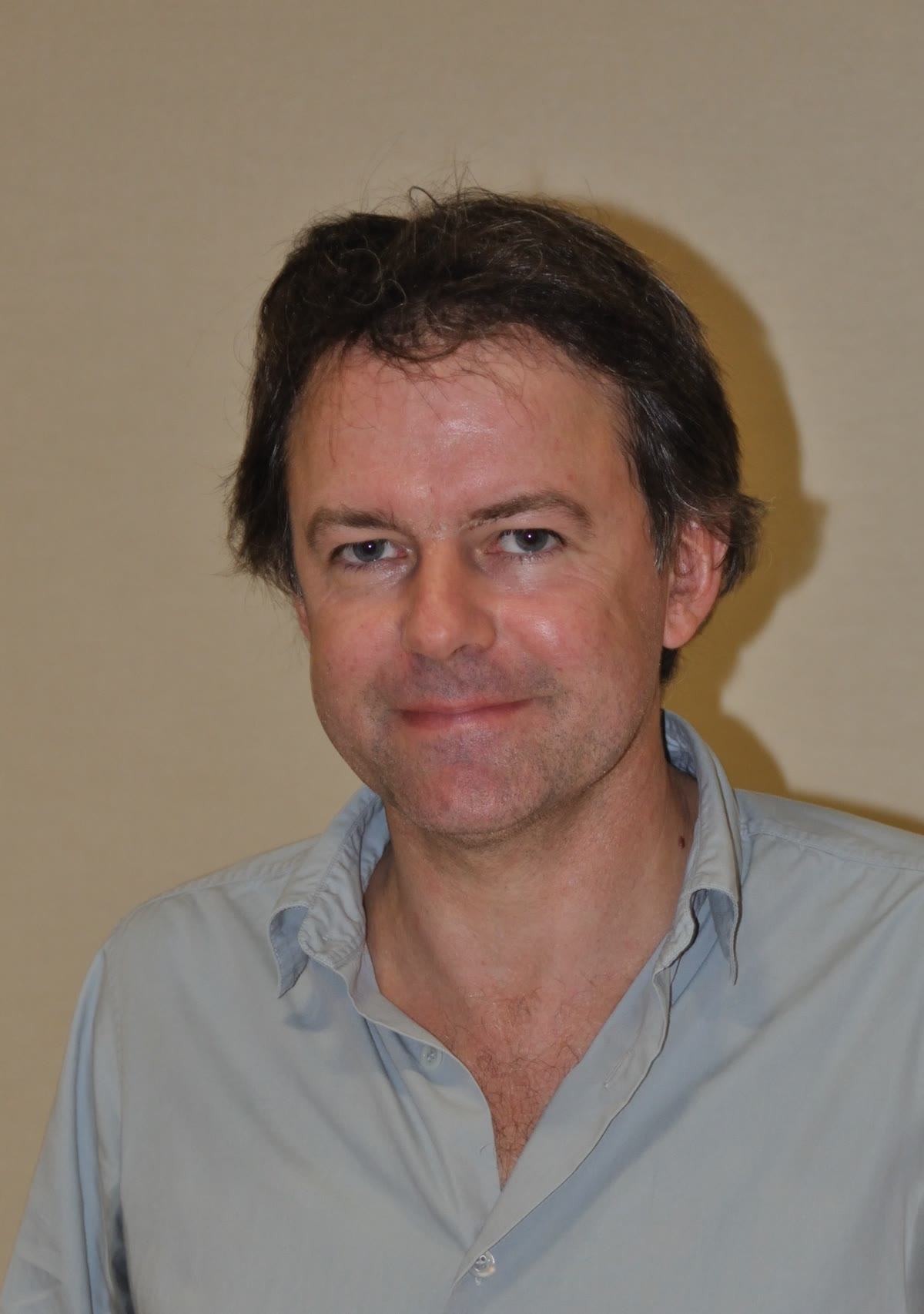
franceinfo reported that Yannick Haenel has won the 2026 prix Femina for La solitude des professeurs est infinie (Gallimard), after Radio France learned the result on November 4. He had still been in the running for the Goncourt, which went the day before to Philippe Jaenada, as PT reported. The jury is made up of twelve women. PT listed the final selection on October 23.
The jury announced the prize in the winter garden of Maison Dior, at 30 avenue Montaigne in Paris, ActuaLitté reported. Livres Hebdo reported that the jurors met at 30 Montaigne, a new address taking the place of the Musée Carnavalet.
The vote
Haenel won on the second ballot with six votes, to two for Emma Marsantes and N'efface pas mes cercles (Verdier) and two for Lucie Rico and Mais que fait ce sang sur le pull de Jennifer? (P.O.L), Livres Hebdo reported. The other finalists were David Djaïz for La Méthode (Stock) and Elise Lespade for Paradisi Gloria (Le cercle ouvert).
Livres Hebdo puts sales of the novel so far at more than 45 000 copies. The same piece says it has already received the prix Strasbourg Bibliothèques idéales, a prize created this year.
franceinfo called the book an abrasive epic about the impossible job of teaching, told through Haenel's double Jean Deichel, a young suburban teacher on the edge of a nervous breakdown. Livres Hebdo describes Deichel doing his training in a collège in the Paris suburbs, staying in a tennis club at Deuil-la-Barre, and meeting the difficulty of the job along with its deep joys.
The other two prizes
In the foreign novel, Laura Kasischke won on the first ballot with six votes for Baignade surveillée (Gallimard, translated from the American by Céline Leroy), Livres Hebdo reported. Paul Murray's La piqûre d'abeille (Albin Michel, translated by Pierre Demarty) took three votes. Gustavo Faveron Patriau, for Les lieux souterrains (Bourgois), and Katie Kitamura, for L'audition (Stock), took one vote each.
Livres Hebdo puts sales of Baignade surveillée at more than 16 000 copies, and notes that it won the magazine's own bookseller prize for 2026. franceinfo reported that the novel turns on the drowning of a 5-year-old in a pool. ActuaLitté added that Kasischke had already won the prix des Inrockuptibles for foreign novel with the same book.
Jennifer Tamas won the essay prize on the first ballot with seven votes for Barbe Bleue contre enquête (Seuil), ahead of Stéphanie Genand with three votes for Germaine de Staël, une femme d'exception (Perrin) and Mathieu Roger-Lacan with one vote for Une langue à soi (Stock), Livres Hebdo reported. The essay, published on August 28, has sold more than 1 600 copies, the same report said. Tamas reads the Bluebeard tale for male domination, femicide and violence inside a marriage. She calls the tale, franceinfo wrote, "une archive de l'imaginaire nuptial". ActuaLitté describes her as a specialist in seventeenth-century French literature who teaches at Rutgers.
A sweep for one group
The Femina gives Madrigall, Antoine Gallimard's family holding company, the set of big autumn prizes, Livres Hebdo wrote. The group took the Médicis on Monday with Philippe Vasset's Dans les grandes lignes (Flammarion), then on Tuesday the Goncourt for Jaenada and the Renaudot for François-Henri Désérable's Le Palais (Gallimard). Only the Grand Prix du roman de l'Académie française, awarded on October 29 to Sébastien Lapaque for Le rappel des oiseaux (Actes Sud), stayed outside the group.
Last year's Femina went to Nathacha Appanah for La Nuit au cœur (Gallimard), franceinfo reported. This year's jury is chaired by Brigitte Giraud, the 2022 Goncourt winner, succeeding Nathalie Azoulai, ActuaLitté reported.
The writer
Born in 1967 in Rennes, Haenel founded the review Ligne de risque in 1997 and taught in a lycée, Livres Hebdo reported. Cercle (2007) won the prix Décembre and the prix Roger-Nimier in 2008, Livres Hebdo wrote. Jan Karski (2009) won the Interallié and the prix du roman Fnac, and brought a dispute with Claude Lanzmann, whom he had cited as a source, the same piece said. Tiens ferme ta couronne (2017) was a Goncourt finalist and won the Médicis, it added. Livres Hebdo now calls him the writer most rewarded by the big autumn prizes.
ActuaLitté reported suspicions of plagiarism around the winning novel. The site wrote that it had found several similarities with Fabrice Sanchez's Grand Poisson (Plon, 2025), a manuscript that had circulated at Gallimard, and that Haenel had denied knowing that text, in the same account.
Photo: Yannick Haenel in October 2011. Photo by Gentil Hibou, via Wikimedia Commons, CC BY-SA 3.0.
