The Publishing Times
All the News That’s Fit to Publish
publishing-news · Guides
Ecologist Greg Taylor Wins the 2026 Hungerford Award With Essays Told by 24 Species
Wildlife in the Open Eucalyptus Forests takes the $15,000 prize and a Fremantle Press contract after a record 128 entries, up 38% on the last round.
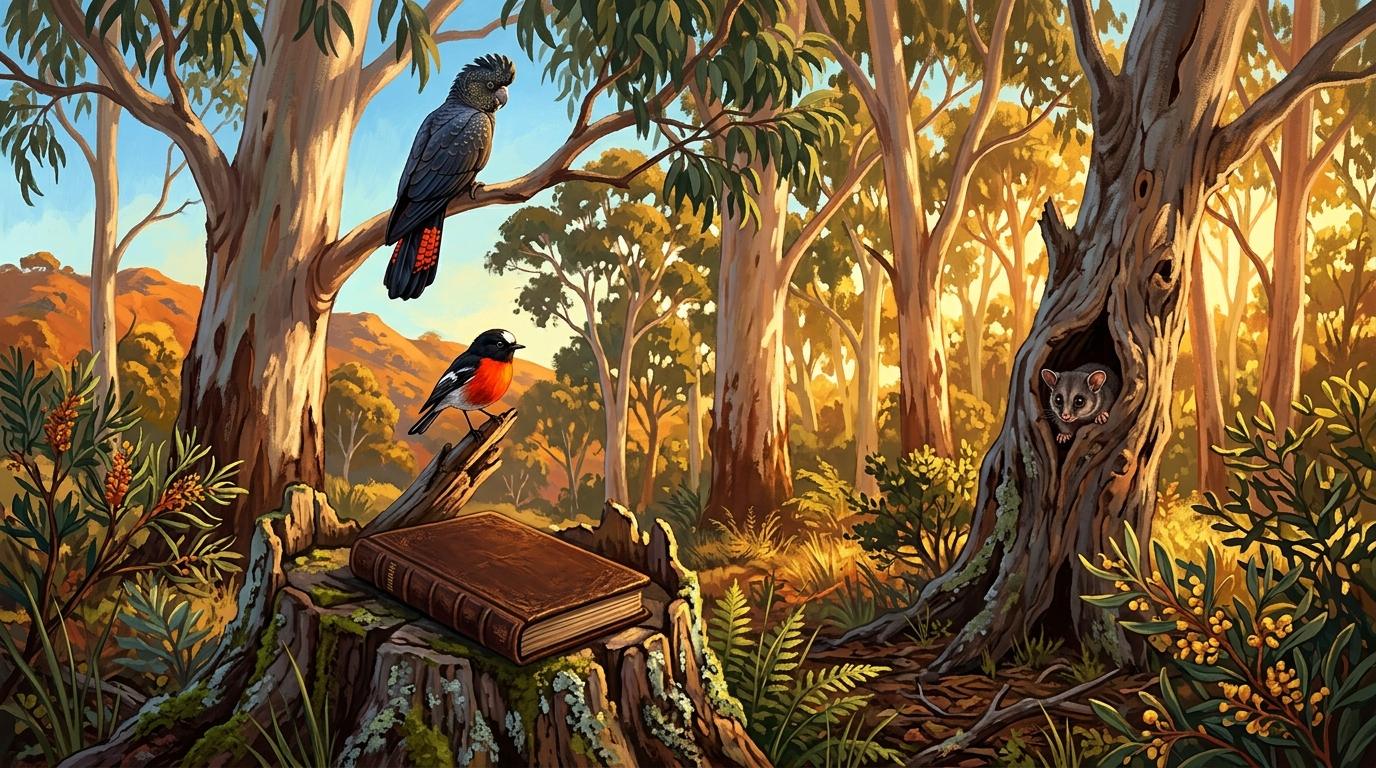
Who won the Hungerford Award? Perth ecologist Greg Taylor has won the 35th City of Fremantle Hungerford Award for Wildlife in the Open Eucalyptus Forests, a collection of narrative non-fiction essays told from the viewpoint of 24 species, none of them human. Fremantle Press announced the win on Friday, October 16, 2026. Fremantle Mayor Ben Lawver announced it at the Walyalup Civic Centre.
The Hungerford is a prize for unpublished manuscripts, and the win comes with a path to print. Taylor gets $15,000, a publishing contract with Fremantle Press, and a fellowship with the Centre for Stories.
A book written by animals
Taylor's essays give the page to the black-cockatoo, the ringtail possum, the scarlet robin and other residents of Western Australia's open eucalyptus forests. He says the book "sits in a weird space between storytelling and science writing" and is "an attempt to move beyond familiarity, towards understanding and, perhaps, to love."
"I am madly in love with Australia's wildlife, and I want to share that madness," he said. "I believe that when we truly know someone or something, we cannot help but love them; and with that love comes a commitment not only to refrain from harm, but to protect."
Taylor specialises in the behavioural ecology of birds. Fremantle Press says his fieldwork has included stalking superb fairy-wrens at the foot of the Great Dividing Range, catching black-legged kittiwakes on an abandoned radio tower off Alaska, and tagging giant kangaroo-rats in California's San Joaquin Valley. His bird life list stands at 526 species.
He grew up in Miami, lived in San Francisco, and settled in Perth after finding Melbourne too cold and Brisbane too humid. He admits the work has earned him "little to no money," and he never expected to make the shortlist, let alone win. He said the result gives him hope that the book has a much broader audience than "the animal-nerds he had imagined."
A record year for entries
The award drew 128 manuscripts this round, the most in its 35-year history and 38% more than the previous round.
Three other manuscripts made the shortlist:
- Moments in the Dust by David Harris (fiction)
- Torch by Michal Stone (verse novel)
- The Ridicule and Resurrection of Marija Gimbutas by Jessica Kennedy (narrative non-fiction)
Consulting judges Chemutai Glasheen, Marcella Polain and Richard Rossiter judged the award with Fremantle Press publishers Georgia Richter and Cate Sutherland. Entries are read anonymously.
Fremantle Press CEO Alex Allan said the press "is charged with sharing Western Australian stories," and that Taylor's manuscript "reminds us that we share this extraordinary place with other sentient beings." Lawver said the City was "excited to welcome another gifted writer to the Hungerford Award alumni."
How the Hungerford works
The prize runs every two years. It's open to Western Australian writers with an unpublished manuscript of fiction, narrative non-fiction or young adult fiction. Because judging is anonymous, the manuscript is the only thing the panel sees.
Why it matters for authors
Manuscript prizes skip the query queue. A prize that comes with a contract is one of the few routes into traditional publishing that doesn't start with an agent. The Hungerford is limited to Western Australian writers, but other unpublished-manuscript awards exist, and they are worth tracking if you have a finished book.
Competition is rising. A 38% jump in entries in one round shows how many writers are chasing these doors. Read the rules closely and enter your most polished draft.
Hybrid non-fiction has a market. Taylor's book blends essay, natural history and storytelling, and it beat fiction and a verse novel to win. Writers working between categories can take note. PT's roadmap for self-publishing a non-fiction book covers the other route, and PT's report on the ARA Historical Novel Prize winners tracks more prize news from the region.
Sources
- Fremantle Press: Creatures and critters take centre stage in Hungerford Award winning manuscript (October 16, 2026)