The Publishing Times
All the News That’s Fit to Publish
publishing-news · Guides
Bernice Barry and Meg Caddy Win the 2026 ARA Historical Novel Prize
Barry takes the $100,000 Adult prize for The Names of a Hare, Caddy wins the youth category, and Wayne Marshall wins the first Readers' Choice vote.
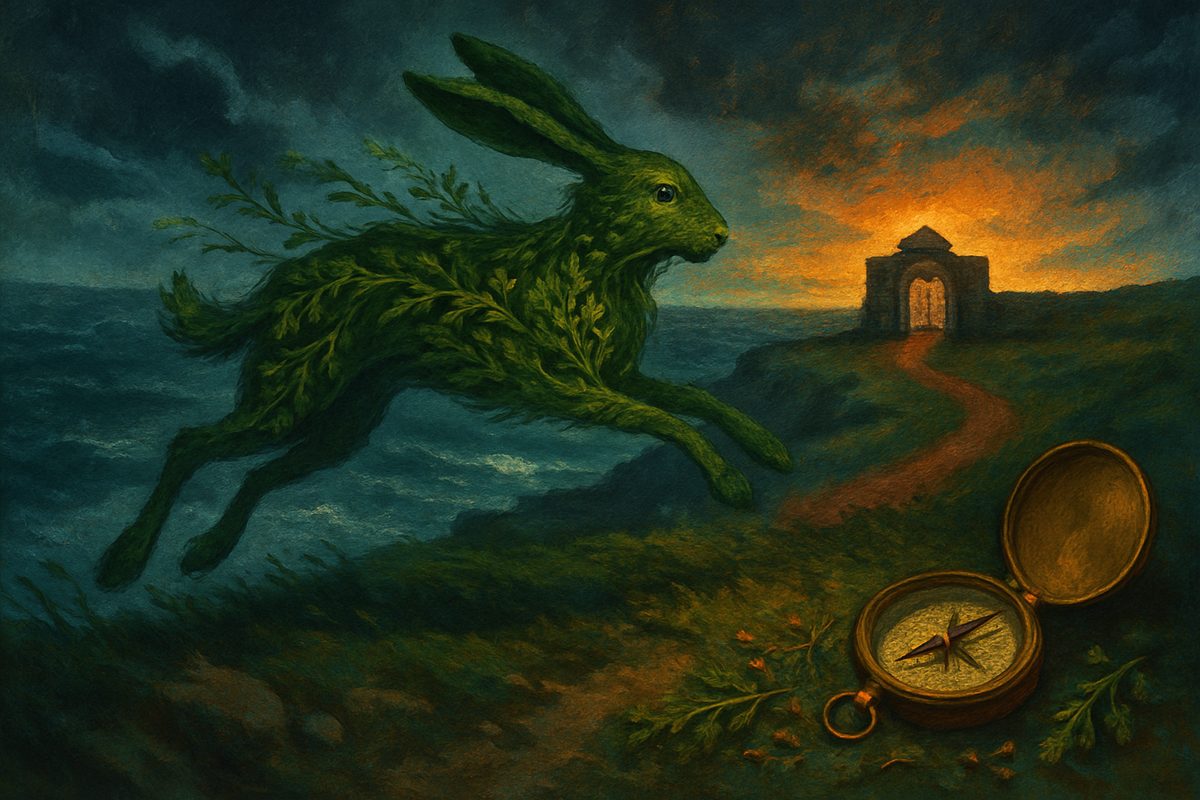
Who won? Bernice Barry has won the Adult category of the 2026 ARA Historical Novel Prize for The Names of a Hare (Fremantle Press), and Meg Caddy has won the Children and Young Adult category for A Flash in the Dust (University of Queensland Press). The Historical Novel Society Australasia announced the winners on Thursday, October 15, 2026.
Barry takes home $100,000 (Australian), which the society describes as the richest individual literary prize in Australasia. Caddy receives $30,000. Wayne Marshall won the Readers' Choice Award, and $5,000, for Henry Goes Bush (Picador Australia).
The winning books
The Names of a Hare is set in seventeenth-century Cornwall. Its heroine practises healing and herbal lore, and has to keep reinventing herself to stay ahead of accusations of witchcraft. The Adult judges, chaired by Linda Funnell, called it "a novel of great depth and beauty," and said Barry's "subtle, considered and poetic prose works like a spell, building slowly and imperceptibly." The decision, they said, was unanimous.
"This story has lived with me for many years," Barry said, "so receiving the 2026 ARA Historical Novel Prize for The Names of a Hare is profoundly moving, humbling and thrilling in equal measure." She called it "the biggest surprise of my life."
A Flash in the Dust is set in Western Australia in 1899. It opens in Fremantle Asylum and turns into a dangerous search for the truth about a murder. The Children and Young Adult judges, chaired by Sophie Masson, admitted the decision was hard because the three finalists were so different in concept and age range. In the end, they said, Caddy's book "stood out for its powerful exploration of marginalised histories," and it "brings queer adolescents back in from the fringes of history."
Caddy said the book "is inspired by Australian histories of queer courage, resourcefulness, and joy."
The rest of the shortlists
Every other shortlisted author gets $5,000. In the Adult category, that's Lauren Keenan for The Other Catherine and Fiona Kelly McGregor for The Trap. In the Children and Young Adult category, it's Jackie French for Cleopatra: The Girl Who Would Be King and Clare Hallifax for A House Divided. The society announced the shortlists in September.
The Adult panel was Linda Funnell with David Whish-Wilson, Renee Otmar, Robyn Cadwallader and Theresa Smith. The Children and Young Adult panel was Sophie Masson with Bee Kavanagh and Stacy Gregg.
A new readers' vote
The Readers' Choice Award is new this year. Subscribers to the society's newsletter voted for their favourite novel from the Adult longlist, which means a book that didn't make the shortlist could still win something.
That's what happened. Henry Goes Bush was on the longlist but not the Adult shortlist. Marshall described it as "a strange and unconventional novel, taking a moment from Australian literary history and attempting to push the boundaries of what historical fiction can do." He thanked "all the readers who voted."
HNSA chair Elisabeth Storrs said the winners show that "irresistible prose, unforgettable characters, meticulous research, and epic storytelling are the true indicators of remarkable historical fiction." The prize is funded by the ARA Group, whose founder Edward Federman said the company was "delighted to support" it.
Why it matters for authors
Historical fiction can pay very well in Australia and New Zealand. A $100,000 first prize, plus $5,000 for every other shortlisted writer, makes this one of the most valuable awards an Australasian novelist can enter. Entries for the 2027 prize open in March 2027, so authors with historical novels in the pipeline should check eligibility and dates on the prize page now.
You don't need a multinational publisher. The Adult winner comes from Fremantle Press in Western Australia and the youth winner from University of Queensland Press. Neither is one of the big global houses. For another recent Australian award story, see Annette Higgs and the 2026 Australian Fiction Prize.
Reader votes add a second path. A Readers' Choice prize rewards books with an engaged audience, even if the judges look elsewhere. Getting your newsletter readers to vote is part of the game. PT's look at how literary prizes affect sales explains why a win, or even a shortlisting, still matters long after the ceremony.
Sources
- Historical Novel Society Australasia: Announcing the Winners of the 2026 ARA Historical Novel Prize (October 15, 2026)
- Historical Novel Society Australasia: 2026 ARA Historical Novel Prize shortlists announced
- Fremantle Press: The Names of a Hare
- University of Queensland Press: A Flash in the Dust
- Pan Macmillan Australia: Henry Goes Bush