The Publishing Times
All the News That’s Fit to Publish
kdp · Guides
Your First Draft is Beautiful — Even if it is a Beautiful Mess
Grant Faulkner emphasises that first drafts, despite their imperfections, hold valuable insights for indie authors. Embrace the writing process!
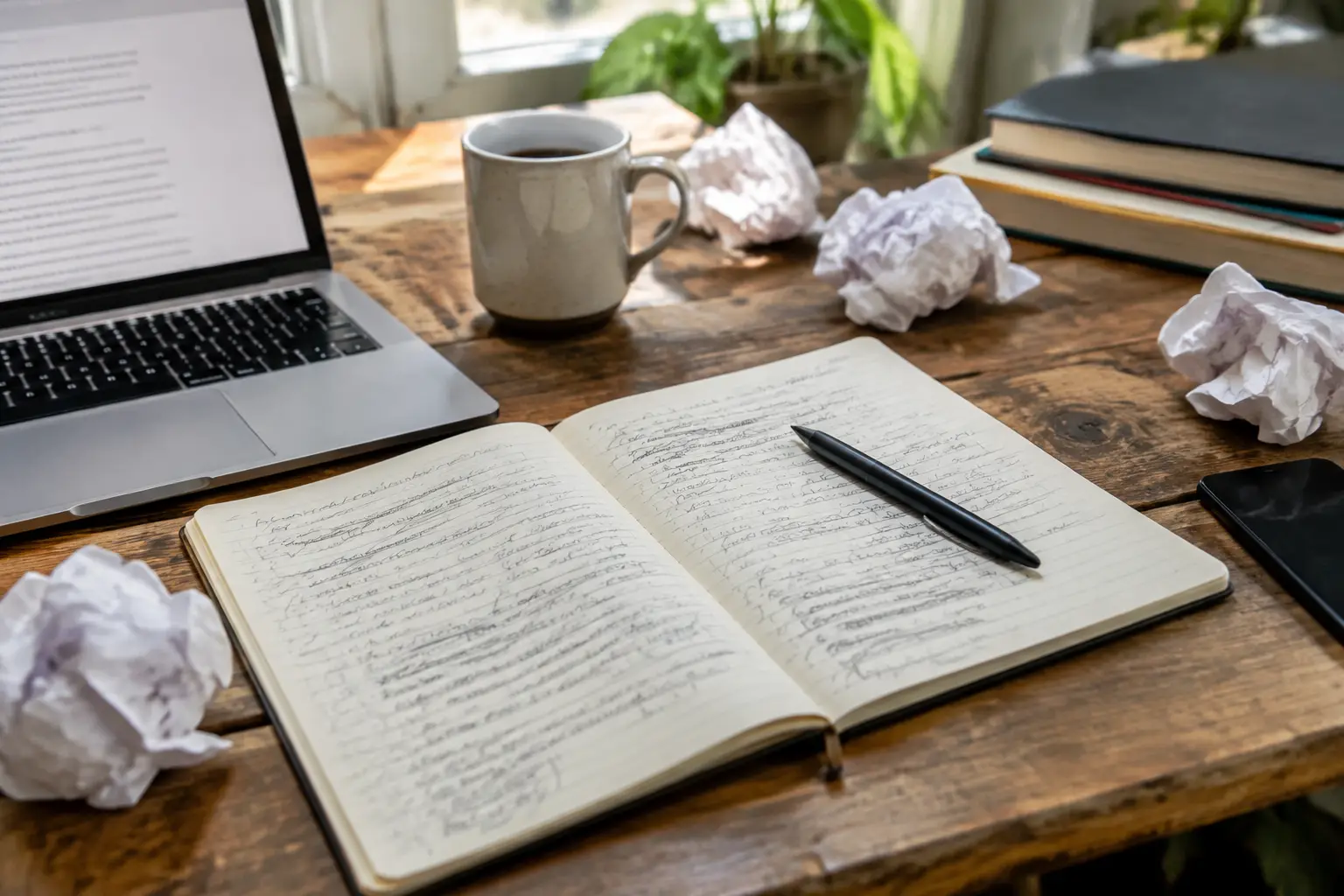
Beauty in the Chaos: Celebrating Your First Draft
Here is an illustrative example: imagine Maya, a self-published author, sitting in her small home office, surrounded by crumpled notes, half-empty coffee mugs, and the relentless ticking of the clock. It’s 2 a.m. on a Tuesday, and she’s wrestling with her first draft. Words are flowing, though not always coherently, creating a beautiful mess on her screen.
Grant Faulkner, the Executive Director of National Novel Writing Month, recently spotlighted the imperfections inherent in first drafts. He argues that these early versions of our stories are not merely rough sketches to be hastily discarded; they are rich with potential and reflect our true voices as writers.
Understanding the Value of Imperfection
First drafts, as Faulkner suggests, can be seen as mirrors of our creative process. They show our uninhibited thoughts, desires, and emotions—often messy and unpolished, but decidedly real. This rawness isn’t something to hide; rather, it deserves celebration.
Why is this important, particularly for indie authors? Because the journey of self-publishing is fraught with moments of self-doubt, especially when it comes to producing content that resonates with readers. Embracing the messiness of the first draft can empower authors to shed unrealistic expectations and open the door to authentic storytelling.
Embracing the Messy Process
Maya reflects on her journey, acknowledging how her initial words are often jumbled yet filled with instinctual truth. Whether she describes a sunlit day or a character's inner turmoil, those early words hold the essence of what she wants to achieve. Faulkner’s philosophy encourages authors to tap into that instinctual part of their writing during the drafting process.
Below are key takeaways for indie authors to channel the beauty in their messy first drafts:
- Give Yourself Permission: Allow your first draft to be imperfect. Freedom in writing often leads to unexpected creativity.
- Focus on Expression: Prioritize getting your ideas onto the page over the technicalities of grammar and structure.
- Seek the Raw Truth: Explore themes that resonate personally—your first draft is a place for exploration, not perfection.
- Rewrite, Don’t Edit: Think of your drafting stage as generating raw materials rather than a finished product. Revising will come later.
The Growth Mindset: From Messy to Masterpiece
The process of transforming a first draft into a readable manuscript is akin to sculpting. As Maya chisels away at her initial words, she uncovers the story hidden beneath the chaos. This growth mindset is crucial for indie authors: it not only promotes a healthier relationship with their writing but also encourages resilience.
Faulkner highlights the notion that every successful author started with a first draft that, at one point, felt overwhelming. By shifting perspectives, indie authors can view their drafts as beautiful proofs of their commitment to a story rather than as flawed beginnings.
Facing Common Authorial Struggles
You might be wondering how to manage the self-doubt that can cloud the drafting period. It’s a common pitfall for many indie authors who fear reader reaction or judgment. Yet, it’s essential to remember that every writer faces these feelings; it is part and parcel of the creative journey.
Picture this: Maya decides to take a break from her screen and goes for a walk in her local park. With the wind in her hair, she reflects on why she started writing in the first place—to tell stories that matter. This clarity reignites her enthusiasm for her current work.
What This Means for Authors
For indie authors, embracing the beauty of a first draft reinforces a core truth: progress is better than perfection. Your first draft is a vital step on the path to creating a meaningful narrative. It’s where the essence of your story begins to breathe.
By valuing this phase of writing, authors can learn to cultivate their creativity without being hindered by expectations. This approach aligns closely with the ethos of independent publishing, allowing writers to forge their own paths and connect with their reader bases authentically.
Refining Your First Draft
Your draft is a canvas; refining it allows your true masterpiece to emerge. The journey from written word to polished narrative involves revision, feedback, and patience. Consider sharing your draft with trusted peers who can provide constructive feedback. Collaboration often breeds clarity and innovation and can help you see what’s beautiful even in the mess.
Your Next Step
This week, try setting aside time to write without hesitation. Allow your first draft to flow and focus on expressing your ideas rather than worrying about how they come across. Remember, even the messiest of beginnings can spark the most enchanting stories.