The Publishing Times
All the News That’s Fit to Publish
book-awards · Guides
What to Know About ‘Carrie’ Before Watching the New TV Adaptation
The new adaptation of Stephen King's 'Carrie' highlights authorial approval's role in adaptations, as it can renew interest in indie authors' original works.
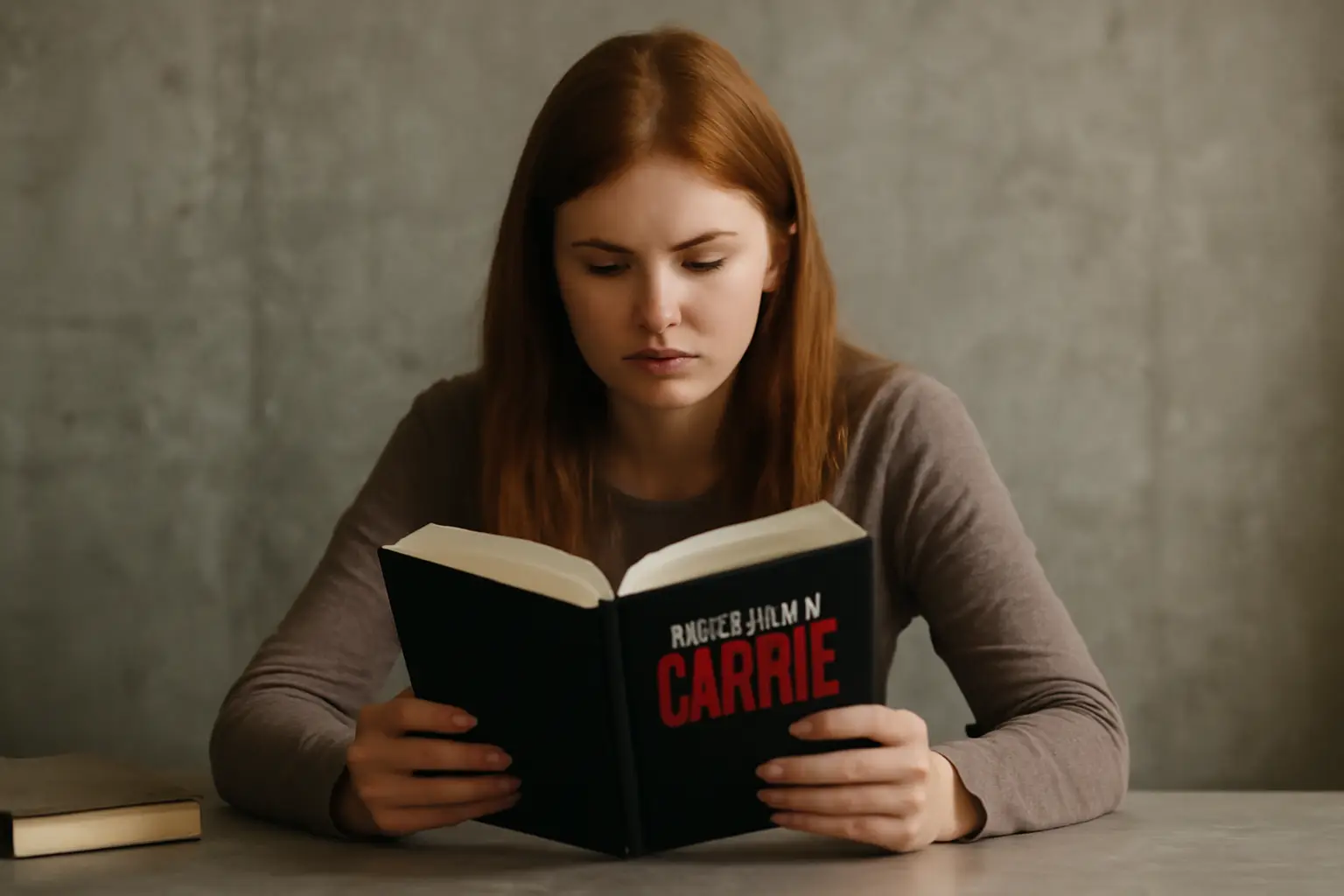
What You Should Know About ‘Carrie’ Before Watching the New TV Adaptation
Here is an illustrative example: imagine an October evening in 1976, in a dimly lit theatre as the unsettling score of Carrie fills the air. The audience, some with popcorn in hand, sits entranced as they witness the harrowing tale of teenage angst and supernatural revenge unfold. Stephen King’s first published novel, adapted into a film by Brian De Palma, left an indelible mark on horror cinema. Today, the tale returns in a new light as Amazon Prime brings a fresh adaptation of this classic tale.
This reincarnation of Carrie not only aims at retelling a compelling story but also highlights a crucial aspect of adaptations: the importance of securing authorial approval for any projects based on a literary work. For indie authors specifically, this serves as a reminder of the potential pathways adaptations can carve for their own works.
The Soul of the Story
At its core, Carrie is about isolation, the repercussions of bullying, and misunderstood youth. It tells the tragic story of Carrie White, a young girl with telekinetic powers who faces relentless taunting from her peers. When the story’s climax erupts in a spectacular act of vengeance, it raises questions about empathy, cruelty, and the power dynamics of high school life. This thoroughly human tale echoes through generations, making it a perfect candidate for re-examination.
Authorial Approval: A Double-Edged Sword
Recent discussions surrounding King’s explicit involvement in this adaptation have reignited conversations in the indie author community regarding authorial control. More than just a formality, securing the author’s blessing serves as an assurance of the faithfulness of the adaptation to the source material.
- Preservation of Voice: When authors are engaged in the process, their unique voice and intent are more likely to be preserved in the adaptation.
- Marketing Boost: A known author backing a project can substantially enhance visibility, drawing both pre-existing fans and new audiences.
- Opportunities for Dialogue: Maintaining a connection allows for conversations about the narrative’s evolution, sparking deeper discussions about storytelling and its cultural impact.
For indie authors, understanding the importance of these dynamics becomes critical as they conceive potential adaptations of their original works. If a big project can capture the imagination of viewers, it can also breathe new life into the original text.
Adaptations and the Indie Author
In a modern publishing world, engaging with adaptations opens a myriad of opportunities for independent authors. Here’s how they can leverage their existing works for new projects:
- Fostering New Interest: An adaptation can reignite readership, creating a buzz that encourages people to revisit—or discover for the first time—an original work.
- Creating spin-offs: A successful adaptation can lead to opportunities for expanded universes, sequels, or related projects that engage the audience further.
- Collaboration Possibilities: Engagement with creative partners in film and television can foster collaborative ventures that benefit both author and producer.
- Enhanced Marketing Platforms: Adaptations often come with larger marketing budgets, allowing for more impactful promotional campaigns that also spotlight the source material.
Creating a dialogue about the adaptation of one’s work can facilitate a beneficial partnership; here, the author retains the soul of their story while new channels emerge to broaden their audience.
Looking Forward
The new adaptation of Carrie arrives at a time when storytellers are continually searching for fresh perspectives on classic texts. As audiences become more discerning and engaged, adaptations can provoke new conversations about narrative and identity. In this instance, King's involvement signifies a level of integrity that many authors aspire to create for their own work.
However, the excitement around fresh takes also comes with cautionary tales of adaptations that miss the mark. For instance, less faithful adaptations often result in backlash from die-hard fans, as seen with film iterations of beloved series and novels. Ensuring credibility, therefore, remains an essential consideration for both filmmakers and authors alike.
What This Means for Authors
For indie authors, this emphasis on securing authorial approval in adaptations offers invaluable lessons. Engaging in conversations about potential adaptations of their works enriches the narrative experience and broadens reach. For many authors, seeing their work featured on screen can validate their creative journeys and hard work.
It’s vital for authors to consider the marketability of their stories in adaptation form. Ultimately, as adaptations draw in wider audiences, they also sharpen narratives and enhance visibility for writers across genres.
Your next step is to explore your own body of work and identify narratives that might resonate in the adaptation arena. Could your existing project inspire a new creative partnership? Think about how you might cultivate your connection with visual storytellers and pave pathways for your stories to become cinematic experiences.