The Publishing Times
All the News That’s Fit to Publish
book-awards · Guides
THE WOMAN WHO LEAPT FROM TEQUENDAMA FALLS
Jason Costa's novel intertwines two narratives set in Colombia, exploring love, betrayal, and survival—an invaluable lesson for indie authors.
The Woman Who Leapt from Tequendama Falls: Crafting a Troubling Yet Engaging Narrative
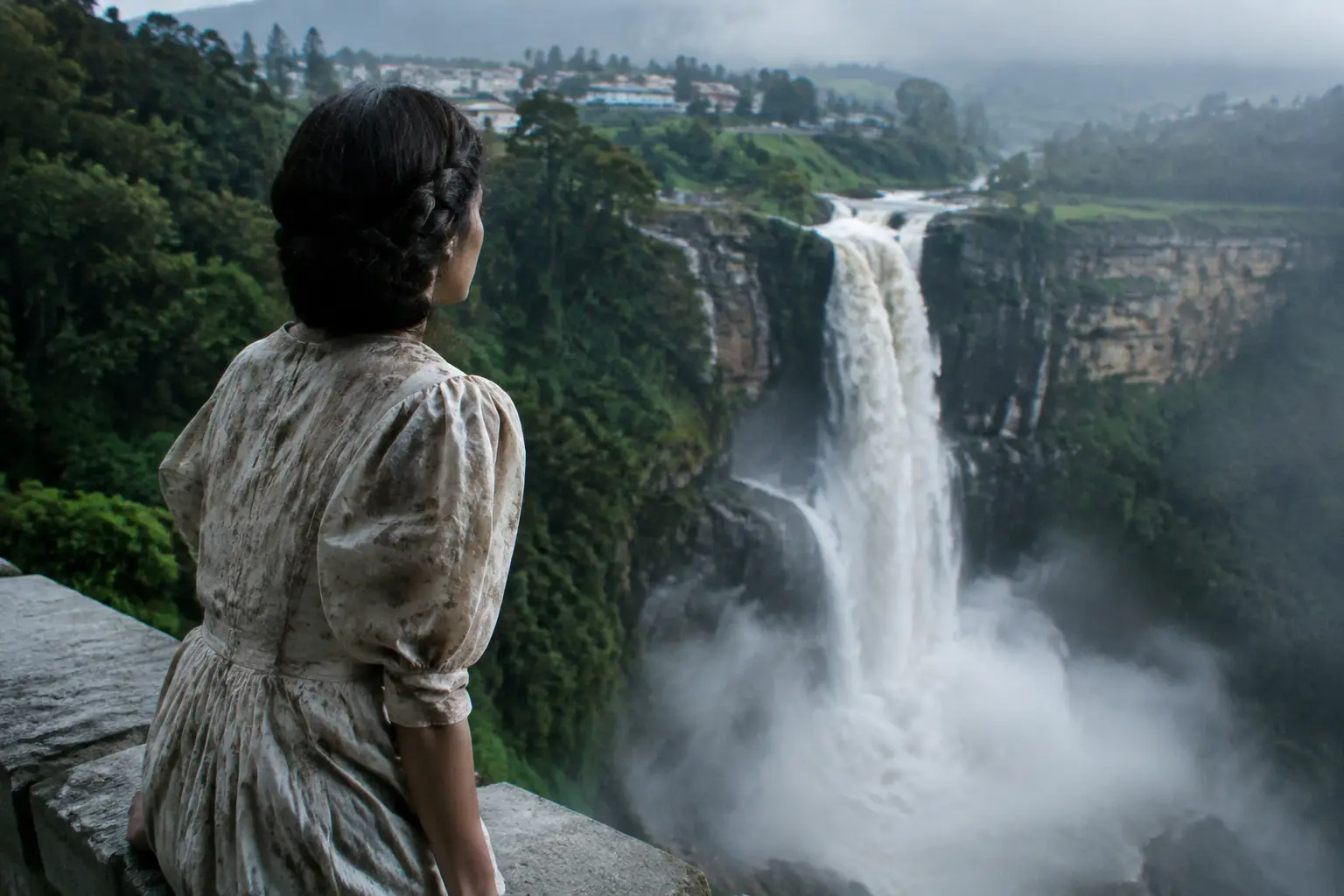
Here is an illustrative example: a woman stands at the edge of Tequendama Falls in Colombia, the thundering water below reflecting both beauty and tragedy. This striking imagery sets the stage for Jason Costa's latest novel, The Woman Who Leapt from Tequendama Falls, a story that weaves together two intense narratives laden with themes of love, betrayal, and survival.
A Dual Narrative of Passion and Despair
In this novel, readers are invited to engage with a gripping interplay of characters, whose lives are bound by the weight of their choices. Costa's writing offers more than just a tale of personal struggle; it emerges as a study of human emotion against the backdrop of Colombia's rich history. One thread follows the poignant journey of a woman struggling with personal connections while the other explores the impact of cultural and societal expectations.
The dual narrative structure allows for an in-depth exploration of the characters’ complexities. Love and betrayal become intertwined as characters face moral dilemmas, painting a vivid picture that reflects the harsh realities of life.
History as a Character
Colombia's history is integral to the story, serving not just as a backdrop, but almost as a character itself. The Tequendama Falls, with their breathtaking beauty, also hold a darker history associated with loss and despair. This historical context deepens the reader's connection to the characters as they navigate the intricate web of their experiences.
For independent authors, the lesson here is clear: appreciating and utilizing the historical and cultural landscapes can add profound layers to storytelling. Rather than simply setting a scene, consider how the historical elements can influence characters’ decisions and relationships. Costa’s work showcases this effectively, and there is much to learn from his approach.
Complex Characters and Their Dynamics
The emotional landscape crafted by Costa aligns well with the realities of human interaction—relationship dynamics full of tension, longing, and heartache. Readers crave authenticity in characters; they resonate with their struggles, successes, and failures. Through relatable yet flawed individuals, Costa manages to create a mix of nuanced interpersonal dynamics that encourages deeper engagement from the audience.
This presents an important takeaway for indie authors: characters must reflect the truth of human experience. Drawing on personal history, societal pressures, and cultural influences can form a solid foundation for creating characters that leap off the page.
What This Means for Authors
The exploration of multifaceted characters against an engaging historical landscape can empower indie authors to expand their storytelling ranges. Readers increasingly seek depth, so ensuring that both character development and the chosen settings resonate can be vital to capturing their interest.
Costa's novel acts as a reminder to aim for complexity. Your characters don’t just need to hold the right traits; they should be sculpted by their circumstances, echoing their pasts and contemplating their futures amidst significant historical events.
Your Next Step in Storytelling
This upcoming week, take a look at your current characters. Consider their backgrounds and how history could influence their decisions. Are there specific historical moments or settings you can weave into their narratives to enhance their depth and complexity? Challenge yourself to incorporate those elements—your readers will engage more deeply with a story that feels rich in context.
As you strive for that deeper connection with your audience, remember that your own understanding and appreciation of history can enrich your storytelling. The more layered your characters and their environment, the more they will resonate with your readers.
Reflection and Engagement
As you explore this narrative technique, consider sharing your experiences. How has history influenced your own characters? How can you use it to enhance your storytelling? Join the conversation about bringing deeper contexts into our narratives, and let’s continue to inspire each other as a community of writers.