The Publishing Times
All the News That’s Fit to Publish
Industry Analysis · Guides
The Romantasy Industrial Complex: Satiating Readers or Strangling Originality?
As the romantasy industrial complex dominates bestseller lists, we examine whether endless dragon-riding tropes are killing literary innovation.
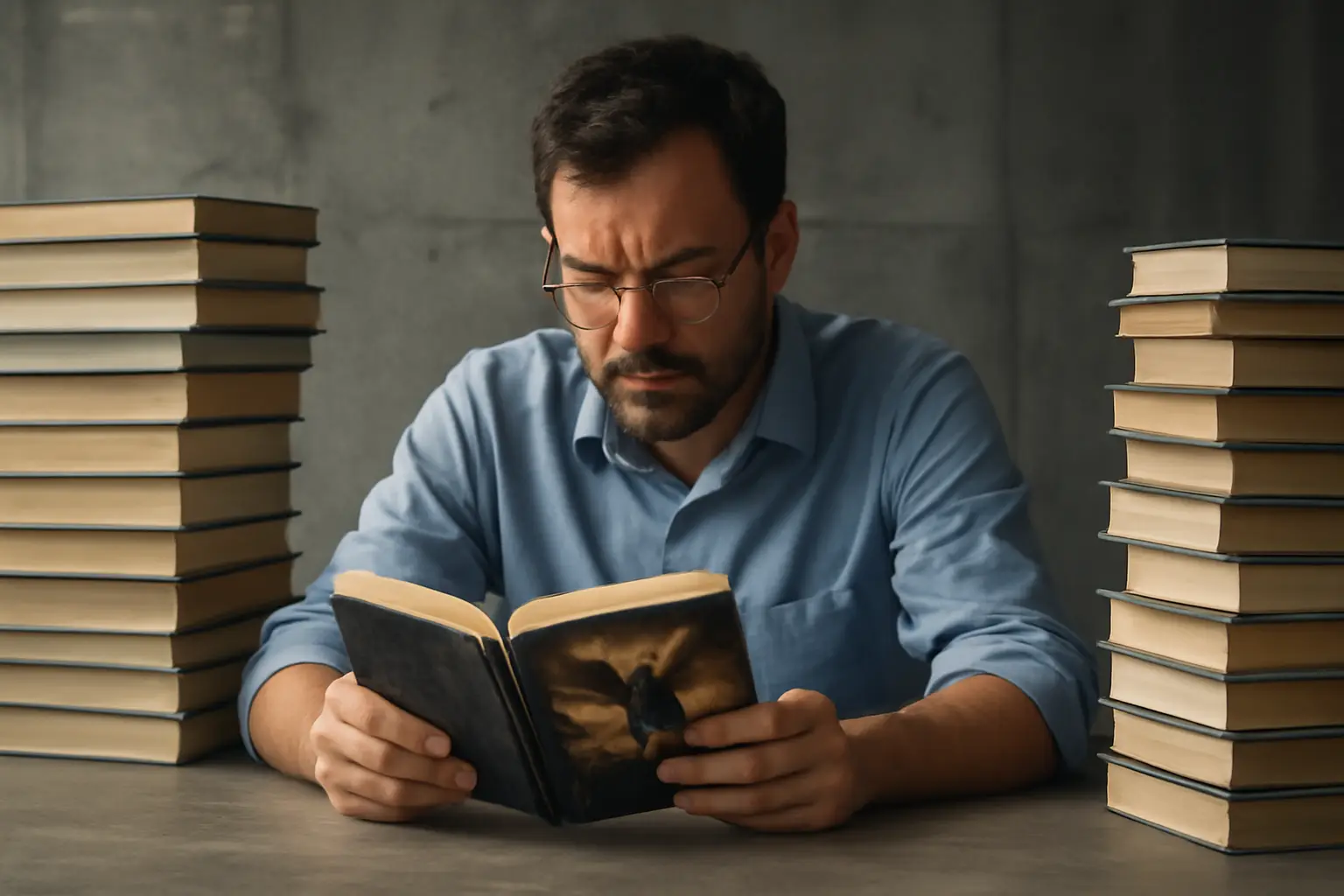
The Romantasy Industrial Complex: Satiating Readers or Strangling Originality?
For the past few years, walking into any bookshop feels like stepping through a portal into a realm of winged beasts, fae princes, and leather-clad heroines. The meteoric rise of the genre has been nothing short of staggering, spawning a veritable romantasy industrial complex that churns out doorstoppers with sprayed edges faster than you can say 'enemies-to-lovers.' But as publishers scramble to sign every manuscript featuring a brooding shadow-wielding monarch, one must ask: are we actually satiating readers, or are we slowly strangling originality in a corset of our own making?
Let us be clear. We hold nothing against a good bit of sword-swinging passion. Readers want escapism, and commercial fiction exists to provide it. Yet, legacy publishers and agile indies alike have pivoted so hard toward this singular trend that entire catalogues now read like algorithmic mashups of the exact same five tropes. When every new release promises the ultimate must read romantasy experience, the marketplace begins to resemble a hall of mirrors. We are mass-producing identical copies of a winning formula until the ink runs grey.
The Formulaic Trap of Modern Publishing
The economics of the modern book trade practically demand this monotony. Algorithms on retail platforms reward hyper-specific categorisation, and marketing budgets follow guaranteed tropes. If a book features a map at the front and a slow-burn romance with a morally grey antagonist, half the sales pitch is already done. But this risk-averse strategy treats readers as mindless consumers rather than discerning critics. By funnelling all attention, promotional cash, and shelf space into a single genre ghetto, publishers starve out midlist fiction, bold literary debuts, and non-conformist storytelling that doesn't fit neatly into a TikTok-friendly box.
"When every book looks, feels, and breathes the exact same brand of fantasy romance, we stop publishing literature and start manufacturing wallpaper."
Indie authors and small presses have historically been the antidote to this corporate homogenisation, finding massive success by taking creative gambles that legacy boardrooms dismiss. Yet even the self-publishing sphere is bowing to the pressure, with KDP charts flooded by hastily written imitations designed to game the latest algorithm. If we continue down this path, we risk exhausting the very audience we claim to serve. Readers will eventually tire of recycled plot twists and interchangeable fae courts.
Reclaiming Ambition in the Book Trade
It is time for commissioners, agents, and marketeers to rediscover their backbone. Diversity of thought and narrative structure should be our guiding stars, not uniformity of sub-genre. To see how true genre-bending brilliance is achieved when authors refuse to bow to assembly-line writing, take a look at masterclasses in craft such as Out of the Thicket which proves that depth and genuine originality still resonate deeply.
We urge every publisher, editor, and indie author reading this to take a calculated risk this quarter. Commission the weird book. Back the manuscript that doesn't have a built-in hashtag. Stop feeding the monster of the romantasy industrial complex and start trusting your readers' intelligence once again.