The Publishing Times
All the News That’s Fit to Publish
Industry Analysis · Guides
The Digital Library Monopoly and the Indie Distribution Squeeze
Corporate consolidation in digital lending threatens to lock independent authors out of public libraries. Here is what the OverDrive acquisition means for indie distribution.
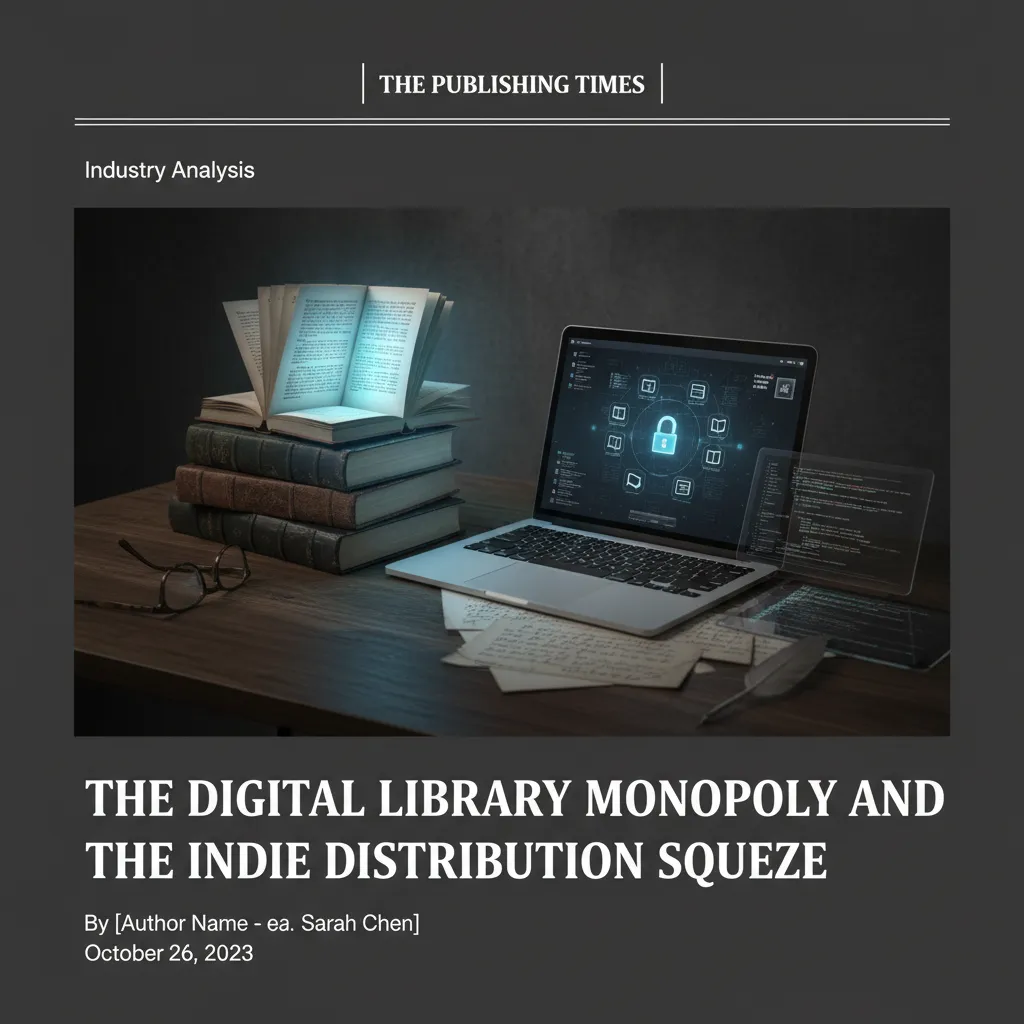
The Digital Library Monopoly and the Indie Distribution Squeeze
Library lending was once the great equalizer for independent authors. Platforms like OverDrive promised a democratic digital shelf where self-published titles could sit comfortably alongside big-five blockbusters. But corporate consolidation in digital lending is rapidly slamming that door shut. As venture capital and publishing conglomerates tighten their grip on library aggregators, indie distribution is facing an existential crisis. If you thought getting your book into local libraries was tricky before, the current corporate land grab makes previous hurdles look like child's play.
The Consolidation Machine
When a single corporate entity dictates the terms of engagement for public library apps, reader choice quietly dies a death of a thousand cuts. Independent aggregators that once championed diverse, mid-list, and self-published voices are being swallowed whole or squeezed out by predatory licensing terms. For KDP self-publishers and indie press editors, this centralization means higher barriers to entry, vanishing metadata visibility, and deteriorating royalty splits. The algorithmic gatekeepers have simply traded traditional brick-and-mortar storefronts for digital library portals, locking out anything that does not carry a corporate imprint or a massive marketing budget.
The library was never meant to be a walled garden controlled by private equity, yet here we are watching the digital shelves get privatised one acquisition at a time.
Surviving the Digital Monopoly
Authors and small presses cannot afford to sit idly by while corporate monoliths dictate who gets read on loan. Surviving this era of restricted digital lending requires aggressive diversification. Indie creators must look beyond single-channel pipelines and support alternative distribution networks that prioritize open access and fair discovery. To better understand how modern publishing navigates these treacherous commercial waters, take a look at Inviting Genius: How Good Leaders Use Conflict to Become Great which offers sharp insights into organizational resilience.
Do not let your backlist vanish into the algorithmic ether of consolidated library apps. Audit your current distribution paths today, demand transparency from your aggregators, and support the platforms fighting to keep public libraries genuinely public.