The Publishing Times
All the News That’s Fit to Publish
book-awards · Guides
THE DEEP DARK OCEAN
Marine biologist Helen Scales explores bizarre deep-sea life, offering indie authors endless inspiration for crafting unique alien worlds.
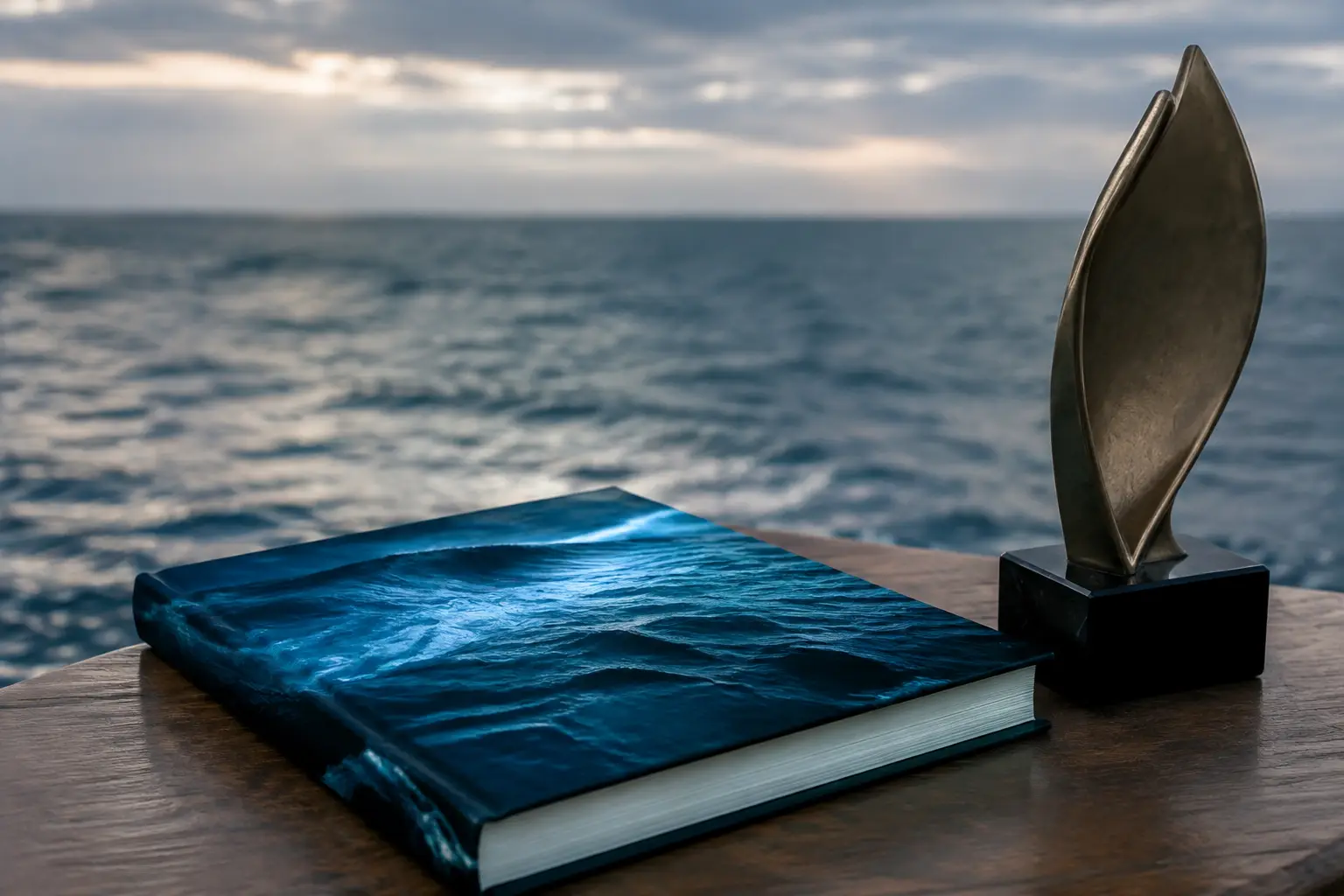
Exploring the Unfathomable Depths: Insights from Scales' Work
On a chilly January night, imagine a marine biologist named Helen Scales, seated at her desk in a tiny seaside town. The soft glow of her laptop illuminates the pages of notes she’s meticulously compiling, aware that each line not only catalogues deep-sea marvels but also serves as a wellspring of imagination. Scales digs into the bizarre and astonishing bioluminescent creatures lurking in the shadows of the ocean’s depths, uncovering ecosystems that remain largely uncharted and the secrets they hold.
The Mysterious World Beneath the Waves
Scales' love for marine life is palpable in her latest exploration, aptly titled The Deep Dark Ocean. This book is not just a scientific account; it is a window into a universe where strange forms of life thrive in complete darkness, illuminated only by the eerie glow of bioluminescence. From jellyfish that light up like Christmas decorations to fish with eyes so large they seem almost comical in proportion, the ocean teems with potential inspiration for the sci-fi and fantasy realms.
For indie authors, especially those creating vivid worlds filled with otherworldly beings, Scales’ work offers a treasure trove of ideas. The inventiveness of deep-sea habitats provides a fascinating baseline for alien worlds that feel both alien and familiar. Imagine how the spine-chilling appearance of a vampire squid or the majestic beauty of a glowing jellyfish might translate into your next extraterrestrial species.
Bioluminescent Wonders: Nature's Palette
The book lays bare the extraordinary adaptations of deep-sea creatures—many of which could inspire compelling characters or settings in speculative fiction. Bioluminescence, for instance, is not merely a visual spectacle; it serves a variety of functions in the underwater world. Scales reveals how some creatures use their glow for camouflage, while others employ their dazzling displays to attract mates or defend against predators.
- The Lanternfish: The most abundant fish in the ocean, capable of emitting light through photophores. This could be a template for alien creatures that illuminate their surroundings in a myriad of colours.
- The Anglerfish: With its bioluminescent lure, it entices prey into its cavernous mouth—a perfect methaphor for waiting predators in your alien worlds.
- The Deep-Sea Jellyfish: Ethereal and beautifully translucent, their glow could inspire alien lifeforms that embody elegance and danger.
As you read through Scales' descriptions, it feels almost impossible not to get swept up in the potential for creativity. Her detailed observations and descriptions serve as gentle reminders that even the darkest places on Earth hold beauty and intricate design.
Inspiration for World-Building
Inspiration is often the spark that ignites the creative flame for writers. Consider these ideas when crafting your own imaginative biospheres:
- Habitats: The extreme environments of the deep-sea should lead authors to consider how strange ecosystems can function in uncharted alien landscapes.
- Behaviours: The social structures and predatory tactics of deep-sea creatures can mirror the intricacies of intergalactic hierarchies.
- Survival Mechanisms: The survival adaptations of creatures in the deep ocean should push writers to innovate alien life that matches or rivals Earth’s astonishing biodiversity.
Recent Discoveries: What the Deep Teaches Us
Scales thoughtfully chronicles recent discoveries, underlining the excitement and urgency of ocean exploration. Each revelation brings to light not only the bizarre biology at work but also the potential implications for understanding life beyond Earth. For independent authors, this aligns perfectly with the burgeoning interest in astrobiology—how and where life might thrive on other planets.
Imagine a tangible link drawn from the abyssal plains of our oceans to distant exoplanets, triggering thoughts on how the elements of wet and dry, light and dark, might play out across the universe. Scales invites her readers—and, by extension, potential writers—to think about other worlds through the lens of what we know, but also what we have yet to discover.
As indie authors dive deeper into the subject of extraterrestrial life, the stories shared in The Deep Dark Ocean may just serve as the needed nudge to break away from conventional portrayals of aliens. After all, fiction should challenge whimsy and logic alike, offering readers glimpses of the strange and otherwise impossible.
What This Means for Authors
Utilizing real-world deep-sea biology can immensely enrich the experience for readers of science fiction and fantasy. The ocean represents a world that thrives against all odds, an inspiring testament to resilience and creativity. As authors weave together narratives of unimaginable worlds, let the ocean’s mysteries fuel the imagination—even the most eccentric among us.
Creativity thrives on unusual sources and strange new characters. Scales’ richly woven tales of the ocean invite us to mirror that fantastical exploration in our own writing journey. Fellow indie authors, try brainstorming creatures that inhabit your worlds by translating the adaptations seen in deep-sea life to the cosmos of your creation.
Your Next Step
This week, try researching a specific deep-sea creature and envision how you might adapt its characteristics into a new alien species. Ask yourself: how can I make it fit into my narrative while remaining true to its real-world inspiration?
For further insight into crafting compelling narratives inspired by nature, be sure to check out resources offered by The Publishing Times that provide tools and guidance tailored for indie authors.