The Publishing Times
All the News That’s Fit to Publish
Industry Analysis · Guides
The Death of the Legacy Gatekeeper in Modern Fiction
Traditional publishing houses are clinging to an outdated monopoly on taste. It is time to dismantle the legacy gatekeeper for good.
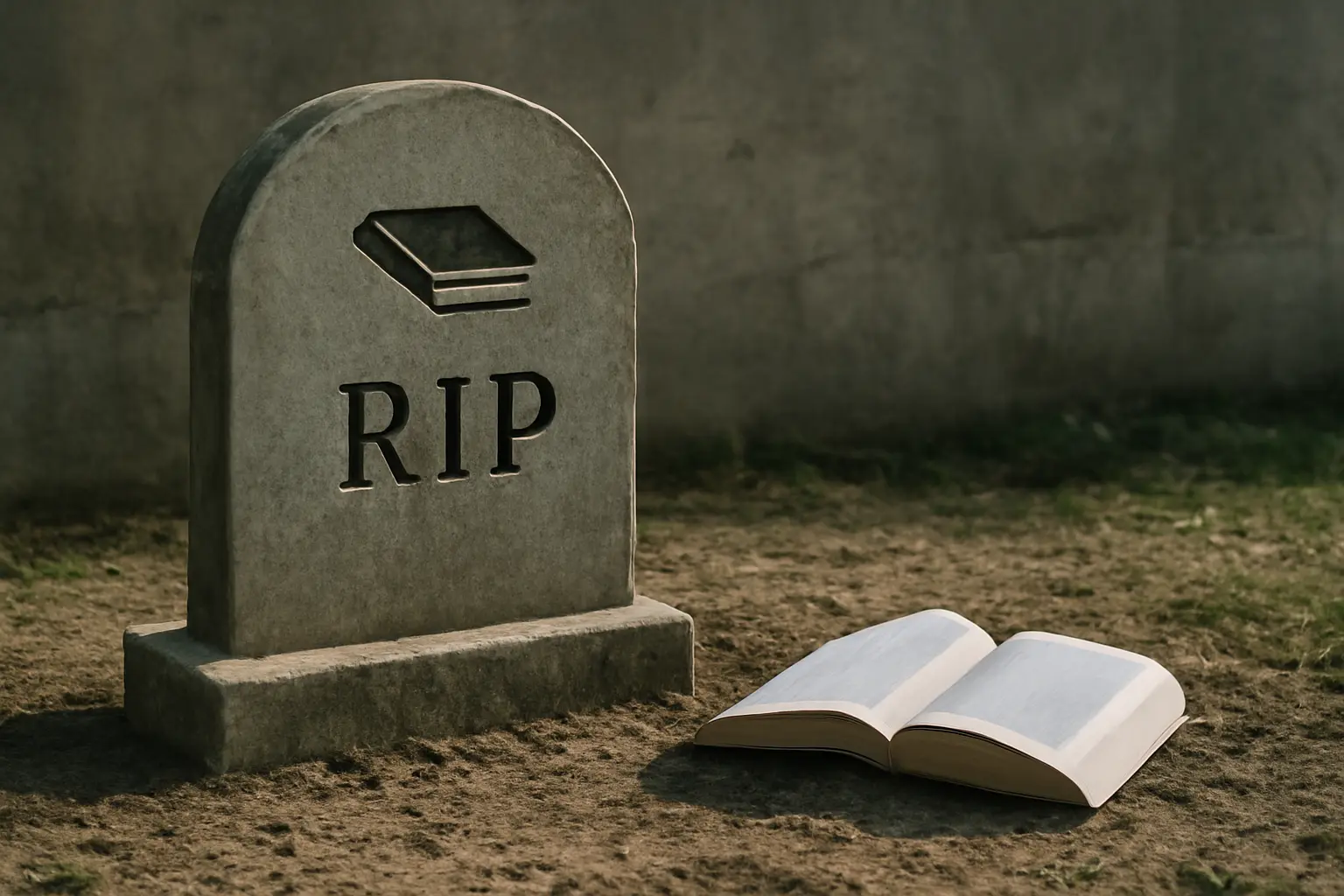
The Death of the Legacy Gatekeeper in Modern Fiction
For decades, the traditional publishing establishment operated like an exclusive gentleman's club, guarded by risk-averse executives who mistook their own narrow preferences for universal taste. They told us what the market wanted by virtue of refusing to publish anything else. That circular logic is finally collapsing under its own weight. The legacy gatekeeper is no longer a curator of excellence; they are a tax on imagination.
The Myth of Proprietary Taste
Walk into any major publishing house today, and you will find a boardroom paralyzed by metrics and terrified of genuine originality. They chase micro-trends eighteen months too late while ignoring the seismic shifts happening directly beneath their noses. When self-published authors and independent presses routinely outsell mid-list legacy titles, it proves a simple truth: readers do not care about embossed spines or Manhattan lunches. They care about a good story.
For an illuminating look at how commercial instincts often trump artistic bravery in traditional houses, you might want to pick up a copy through this Amazon Affiliate Link Yet, the real revolution isn't happening in those corporate acquisitions; it is happening on the open market where readers vote with their wallets.
Reclaiming the Literary Landscape
Modern fiction thrives when the umbilical cord of traditional validation is snipped. Authors no longer need a midtown Manhattan editor to anoint their work as 'literature.' Platforms built for direct-to-consumer distribution have proven that the legacy gatekeeper served primarily to protect an inefficient business model rather than elevate art. When writers connect directly with their audiences, the cream rises faster, cleaner, and without the heavy-handed edits designed to appease committee-driven marketing departments.
Stop waiting for permission from people whose primary skill is saying no. The future of fiction belongs to those who write for the reader, not the reviewer.