The Publishing Times
All the News That’s Fit to Publish
other · Guides
Founding Crimes by David H. Tolly: The American Founding, Greatness and Guilt Together
David H. Tolly's Founding Crimes examines how America's founders defied British authority while tolerating slavery, Native dispossession, exclusion and corruption, and brings in contemporaries who called it out.
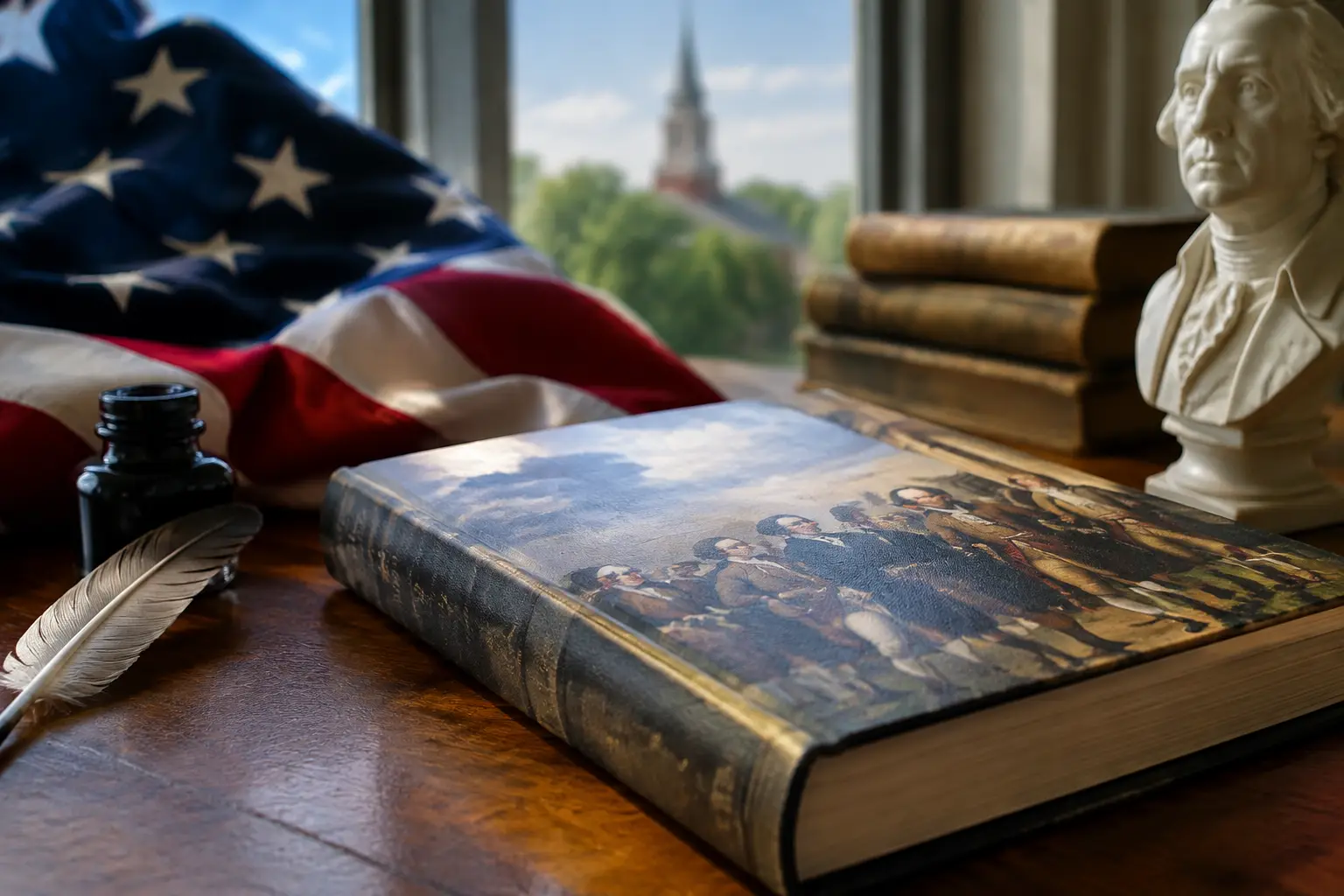
What is Founding Crimes?
A history of the American founding that refuses to choose between celebration and condemnation. David H. Tolly's book, subtitled in some listings as an account of how smuggling, fraud and treason built the United States, examines how the founders defied British authority while allowing slavery, the dispossession of Native nations, political exclusion and ordinary corruption to continue.
The central argument
Tolly's thesis is that the contradiction is the subject, not a footnote. In a July 2026 interview with Literary Titan, he said he had long understood the founding as a story of courage and genius and stopped there, and that he wanted to give readers a version they could honestly reckon with. His approach is to keep the achievement and the wrongs in the same frame, on the view that seeing both makes the achievement mean more, not less.
Witnesses from the time
The book's most distinctive choice is to bring in contemporaries who saw the gap between the founders' words and deeds and said so. Among them:
- Phillis Wheatley, the enslaved poet who wrote about liberty while held in bondage.
- Abigail Adams, who urged her husband to "remember the ladies" as the new government took shape.
- Elizabeth Freeman, who sued for her freedom in Massachusetts in 1781, citing the state constitution's language that all men are born free and equal, and won.
- Benjamin Banneker, the Black mathematician and almanac maker who wrote to Thomas Jefferson in 1791 challenging the hypocrisy of slavery.
- Robert Carter III, the Virginia planter who began freeing hundreds of enslaved people in 1791, an act almost none of his peers would consider.
Their presence answers the common objection that criticism of the founders is just modern hindsight. These were people of the same era making different choices.
How it fits the field
Tolly's book joins a long-running debate in American history, from the 1619 Project and its critics to recent biographies that weigh founders' public ideals against their private conduct. Its emphasis on choice, on the idea that alternatives were visible and argued for at the time, puts it closer to historians who stress agency than to those who explain the founders by the standards of their age.
Who it suits
Readers who want to understand the founding without hero worship or dismissal, teachers looking for primary voices beyond the familiar founders, and book clubs ready for a discussion about patriotism and honesty. Tolly has framed the book as a sturdier kind of patriotism rather than an attack, which may help readers who approach the subject warily.
Book details
- Title: Founding Crimes
- Author: David H. Tolly
- Subject: the American Revolution and founding era