The Publishing Times
All the News That’s Fit to Publish
Book Awards · Guides
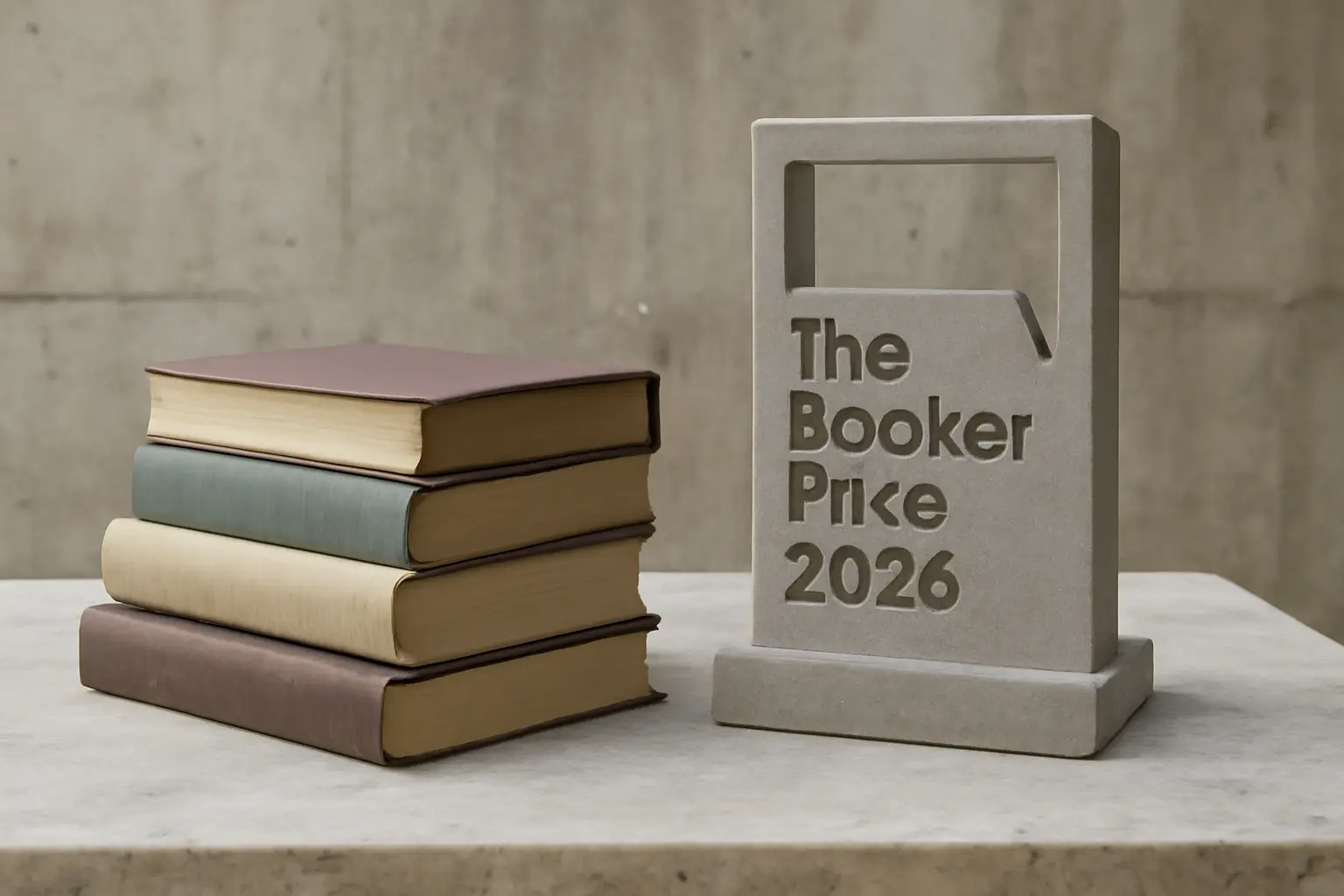
The Booker Prize 2026 Shortlist: Old Guards and the State of Fiction
As former winners dominate the Booker Prize 2026 shortlist, the publishing industry must ask whether literary prizes are rewarding innovation or retreating into familiar comfort zones.
The Return of the Heavyweights
The announcement of the Booker Prize 2026 shortlist has sparked a familiar flurry of excitement and exhaustion across the literary landscape. When the judges unveiled the final contenders, the dominant narrative was unmistakable: the return of former winners and established literary royalty. For an industry that constantly preaches the gospel of fresh voices and disruptive talent, this heavy reliance on familiar names feels like a cautious retreat.
The Booker Prize 2026 shortlist is undeniably stacked with technical mastery. Yet, literary prizes carry a heavy symbolic weight. They are supposed to chart the bleeding edge of contemporary fiction, not serve as a victory lap for authors who already command prime real estate on bookshop tables. When legacy gatekeepers lean back toward proven commodities, independent publishers and debut authors watching from the wings have every right to feel shortchanged.
Complacency or Craft? What the Shortlist Tells Us
Defenders of the selection process will argue that quality must supersede novelty, and they are not entirely wrong. Craft matters. But the Booker Prize 2026 shortlist also reflects a broader institutional anxiety. In a volatile economic climate, risk aversion has trickled up from corporate marketing departments all the way to high-minded literary juries. We are seeing a preference for polished domestic realism and safe historical canvases over messy, vital experiments.
The Booker Prize 2026 shortlist reflects a broader institutional anxiety, preferring polished domestic realism over vital experiments.
For those navigating the trenches of independent publishing, this conservative streak is a reminder that validation will rarely come from traditional bastions. Real literary innovation is happening on the margins, driven by indie presses and fearless self-publishers who do not answer to risk-averse boards. If you want to understand where the novel is actually heading, you need to look beyond the prize lists and dive into independent fiction bestsellers.
Reclaiming the Vanguard
It is time for literary awards to remember their mandate. A prize that merely consecrates past glory ceases to be a compass for contemporary fiction. As the dust settles on the Booker Prize 2026 shortlist, publishers and readers alike must demand more audacity from our cultural institutions.
Support the small presses taking genuine gambles. Seek out the debuts that make the establishment nervous. The future of the novel will not be written by committee, and it certainly will not be secured by recycling yesterday's winners.