The Publishing Times
All the News That’s Fit to Publish
industry · Guides
Should Amazon Kindle e-readers have a USB Cable?
Amazon's Kindle e-readers are now missing a USB-C charging cable. Discover how this affects indie authors and the user experience for e-book readers.
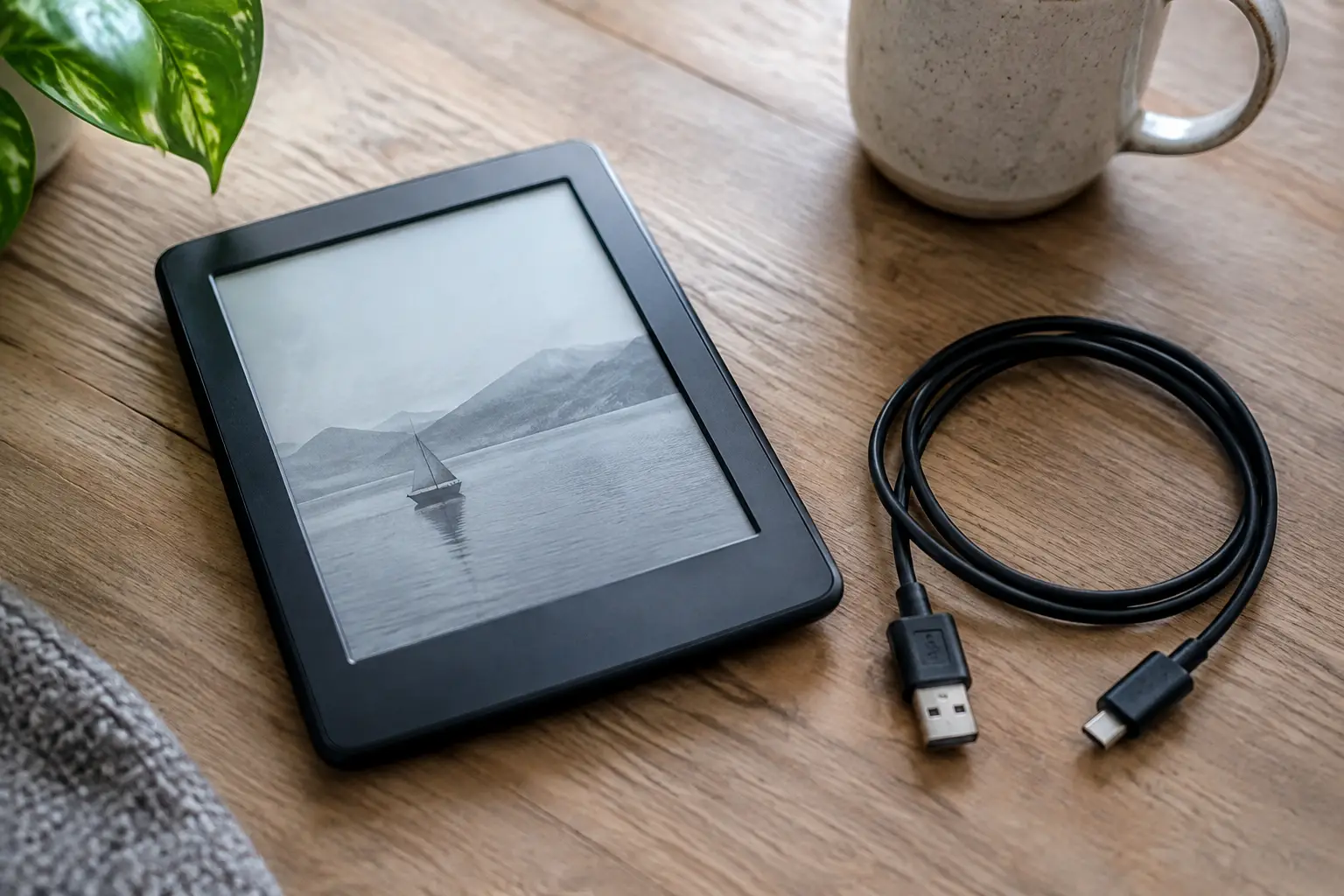
A Missing Cable: A Quick Change in the Kindle World
Picture a tech-savvy book lover, Samantha, unboxing her brand-new Amazon Kindle e-reader on a bright December morning. She eagerly opens the box, dreams of her next read dancing in her mind, only to discover that there’s no USB-C charging cable included. Samantha pauses, a frown creasing her forehead. Where’s the cable?
As it turns out, Amazon's recent release of its updated Kindle e-readers has sparked debate, not only among consumers but also within the indie publishing community. These devices, now marketed without a USB cable, are prompting questions about accessibility and the user experience for readers of self-published e-books.
Why This Matters to Indie Authors
For independent authors and self-publishers, the Kindle platform is a significant avenue for distributing e-books. Millions of users rely on Kindle devices to access their literature, and any alterations to this ecosystem can have substantial impacts on how books are consumed. By not including a USB-C cable in the package, Amazon is not only changing the hardware experience for users but possibly affecting reading practices.
Here are some potential implications:
- Reader Accessibility: Many readers may find themselves without a compatible USB-C cable if their last device didn’t require one. This oversight could inhibit immediate access to reading material, compelling readers to purchase additional accessories.
- Consumer Confusion: The sudden absence of a USB cable might confuse or frustrate customers, particularly those less familiar with the technology. The perception that this omission is a cost-cutting move could lead to negative sentiment toward Amazon’s Kindle line.
- Market Positioning: As other e-readers continue to embrace user-friendly designs with all essential accessories included, Amazon’s decision may jeopardize its standing among competitors by presenting barriers to adoption for new Kindle users.
Samantha's Dilemma: An Illustrative Example
Let’s return to Samantha. After her initial disappointment, she decides to attend an indie bookstore event where local authors are displaying their works. As she chats, she realizes that several of her friends are also Kindle users, yet none seem to have a spare USB-C cable. How will they experience the latest self-published titles when transferring e-books from their computers becomes more cumbersome?
This situation illustrates a broader challenge faced by self-publishing authors. Readers accustomed to simple connectivity may now feel inconvenienced, potentially leading to less engagement with their e-books.
Changing Marketing Strategies
Indie authors should take note of how this change in Kindle device packaging might affect their marketing strategies. A solid marketing plan must evolve with the technology landscape. Here are a few strategies to consider:
- Focus on Accessibility: Highlight the ease of downloading and reading on various devices, including those that still provide necessary accessories in the package.
- Educational Content: Create content demonstrating how to acquire a USB-C cable or even guide users through alternative charging methods for Kindle devices.
- Engagement with Readers: Foster an active dialogue with readers through social media, asking them about their experiences with the new Kindle devices. This can guide you in understanding their needs.
Stay Updated: The Importance of Information
For self-publishing authors, keeping abreast of changes within the Kindle ecosystem is imperative. Adapting marketing techniques in response to consumer technology shifts can determine how effectively you reach your audience. Just as manufacturers continue to innovate, so must authors follow suit with marketing rigour.
Reader Experience Across Platforms
As more devices are introduced to market, the importance of a consistent and enjoyable reader experience cannot be overstated. Authors must consider how evolving technology affects not just sales but also reader satisfaction.
Even major platforms like Amazon occasionally falter in their efforts to simplify the consumer experience. The absence of necessary accessories could point readers toward alternatives, challenging indie authors to compete within a nuanced market.
What This Means for Authors
The Kindle’s USB cable situation serves as a vivid reminder that the indie publishing landscape is rife with challenges that can stem from unexpected sources. Self-publishing authors must remain agile, observing shifts within technology and assessing their potential impact.
Indeed, it’s not just about writing compelling stories; it’s about ensuring that the path to those stories is as smooth as possible for all readers. The marketplace thrives on convenience, and understanding consumer needs will help authors stay relevant.
Your Next Step
This week, take some time to reflect on how changes in technology may impact your marketing strategies. Ask your audience about their experiences with devices they use to read your books. Engaging with readers can provide invaluable insight into their needs and preferences.
Adaptability is key in publishing; a proactive author can enhance reader experience, no matter the circumstances.
Stay informed, stay connected, and remember: your readers are counting on you!