The Publishing Times
All the News That’s Fit to Publish
publishing-news · Guides
Noah Adams, All Things Considered Host and Author of Piano Lessons, Dies at 84
The longtime NPR host wrote five books, including a memoir about learning piano at 51 and a search for the Wright brothers.
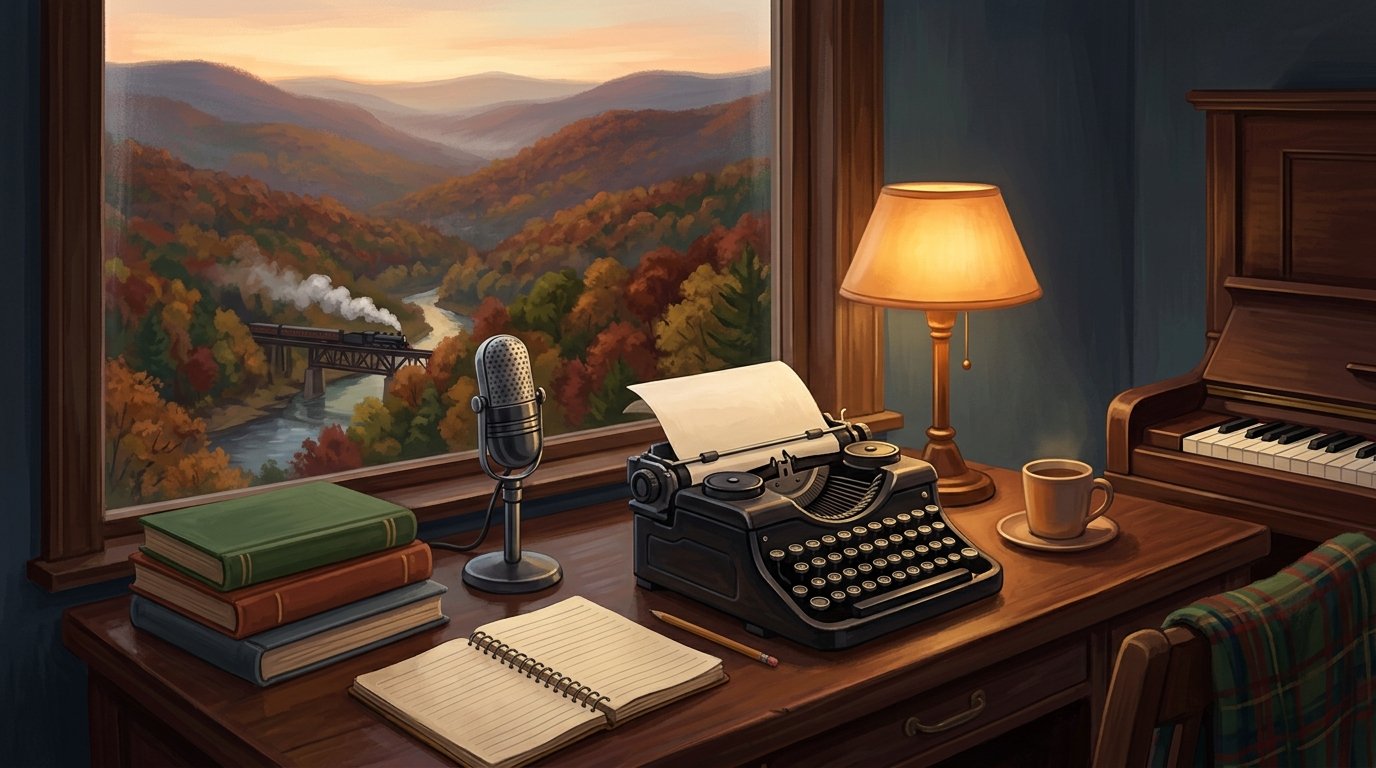
Who was Noah Adams? Noah Adams, the writer and broadcaster who hosted NPR's All Things Considered for 18 years and wrote five books, has died at 84. He died on Friday, October 16, 2026, at his home in Yellow Springs, Ohio, his wife, Neenah Ellis, told NPR. The network reported his death on Sunday, October 18.
To radio listeners he was the calm voice that walked them through Ronald Reagan's landslide wins, the fall of the Berlin Wall and the September 11 attacks. To the people who worked with him, he was first of all a writer.
The books
Adams published five books. NPR singles out three of them:
- Piano Lessons (1996), a memoir about the year he spent learning to play the piano, starting at age 51.
- Far Appalachia: Following the New River North (2001).
- The Flyers: In Search of Wilbur & Orville Wright (2003).
The subjects say a lot about him. A middle-aged man at the keyboard, a river through the mountains, two brothers from Ohio working out how to fly. They are the same quiet, close-up stories he looked for on the radio, stretched to book length.
"He was a productive writer," Robert Siegel, his longtime co-host, told NPR. "He admired good writing and good writers. And he tried to be as good as he could be."
A notebook, not a script
Adams's working method is the part his colleagues talk about most. Melissa Block, who produced pieces with him for years and later hosted All Things Considered herself, remembered him in the field with a small reporter's notebook, writing in shorthand.
"His writing is almost illegible - it would just be the vaguest sketches of things," she told NPR. "But somehow, when we came back, he would capture the character of a place or a person or a town in the most vivid, rich, simple language."
He liked to get out of Washington. He would ride trains across the country or spend days in small towns, asking questions and listening, and then turn those notes into long, careful radio pieces. Block said he avoided people who "had pre-programmed things to say" and wanted people "genuinely speaking from their heart."
He also worked dogs into his stories whenever he could. NPR recalls a 1987 interview with an eight-year-old girl whose parents had divorced. Adams warmed her up by chatting about dogs, then eased into the hard questions. The young producer on that piece was Ira Glass, who took the tape home to study. Glass later cited Adams's interviewing style as an inspiration for the tone of This American Life.
From Kentucky to the anchor chair
Adams was born in Kentucky. By his own telling, he drifted through jobs before radio. He worked construction and sold cars, a stint he once described in an on-air essay. In 1972 he started at the public radio station at the University of Kentucky. Three years later, he applied for a production assistant job on All Things Considered and joined NPR in its early, still-unsettled years.
He was paired on air with Susan Stamberg. In 1987 he left the show to launch a new variety program in Minnesota, meant to replace A Prairie Home Companion after Garrison Keillor walked away from it. The show didn't last. Two years later Adams was back on All Things Considered, this time alongside Robert Siegel and Linda Wertheimer.
Siegel said Adams was the show's voice "for our going to rural America, doing stories about what was happening in small towns far from the Interstate 95 corridor."
Father Cares
Many of his colleagues point to one piece of radio as his peak: the 1981 documentary "Father Cares: The Last of Jonestown." NPR had obtained hours of audio recorded by Jim Jones, the cult leader whose followers died in a mass suicide in Guyana. Adams made the documentary with producer Deb Amos and author James Reston Jr.
It was an unusual piece of writing. Adams narrated it not as a reporter but as a fictional composite character, presented as a survivor of the cult, in a deliberately flat, traumatized voice. That choice was controversial. To Siegel, it was public radio as Adams wanted it: "Experimental use of sound. Interesting writing."
What he left on the page
For Adams, radio and books came from the same notebook. His books stayed small in scale and patient: a man learning scales at 51, a river, the Wright brothers.
NPR ended its tribute this way: "Quietly, purposefully, with his notebook and his typewriter, that's what Noah Adams did." He was, the network adds, intensely private. What he left behind is mostly on paper and on tape.
Source
- NPR, October 18, 2026: Noah Adams, longtime host of NPR's All Things Considered, has died
For more on authors and publishing figures we have lost this year, see the Publishing Times obituaries page.