The Publishing Times
All the News That’s Fit to Publish
publishing-news · Guides
Harrison, 81, Wins the Booker for The End of Everything
M. John Harrison won the 2026 Booker Prize at 81 for The End of Everything. The ceremony was at Old Billingsgate Market. The purse is £50,000.
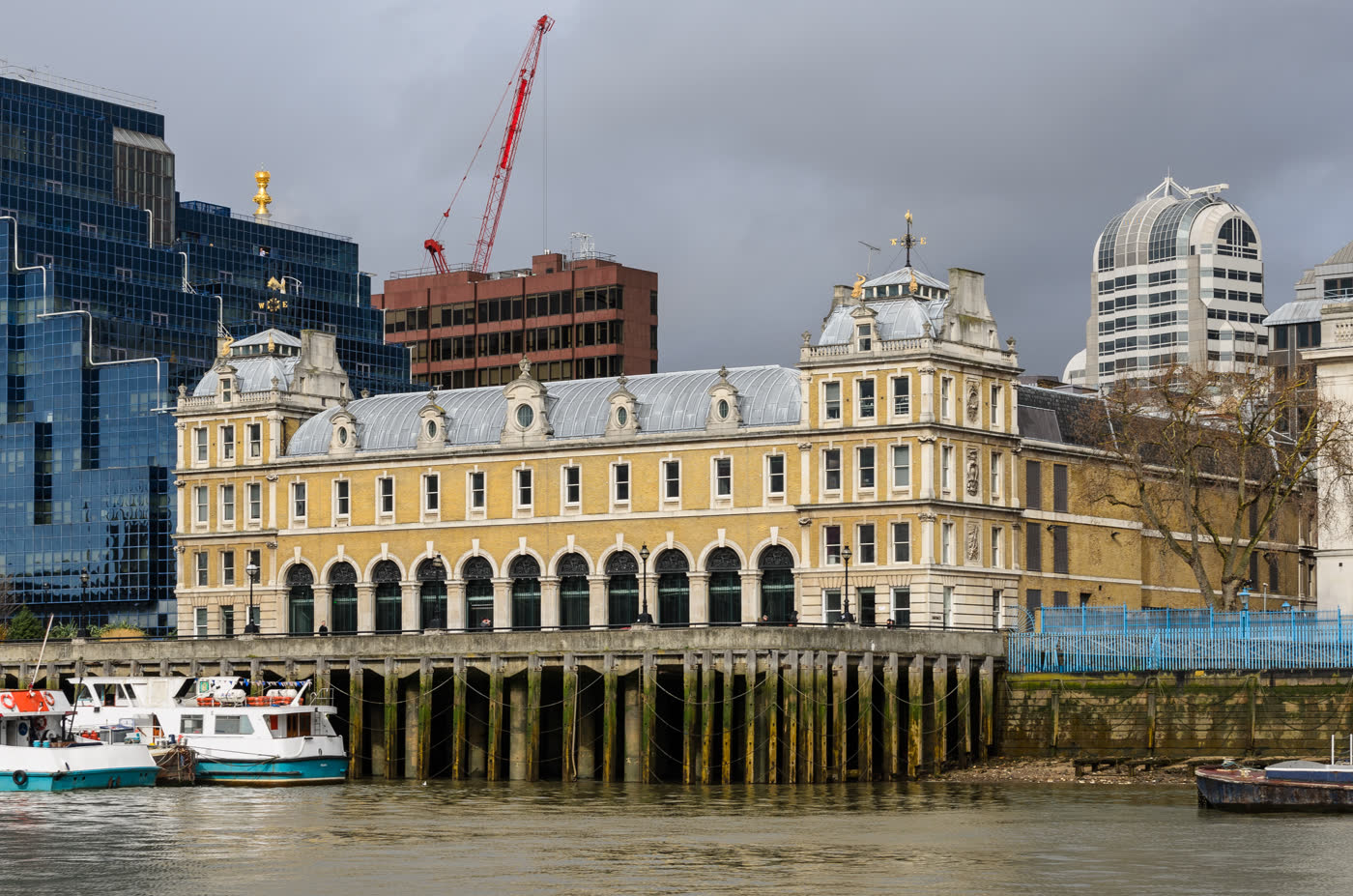
M. John Harrison, aged 81, won the 2026 Booker Prize on 9 November for The End of Everything, at a ceremony in Old Billingsgate Market in Londres, ActuaLitté reported on 10 November 2026. The novel is post-apocalyptic. It is published by Serpent's Tail (Profile Books), the same report said.
He is the oldest winner the prize has had. The BBC reported that he has passed Margaret Atwood. The purse is £50,000, the BBC reported. ActuaLitté prints the sum as 50.000 £, nearly 60.000 €.
A short book, and a long career
At 198 pages, The End of Everything is the shortest of the six books on the final list, ActuaLitté reported. The report calls it his thirteenth novel. The BBC reported that he has published 13 novels, five short story collections and an "anti-memoir", across a 60-year career.
The book is set in Kent, in the south-east of England, as organisation and social structures collapse, and mysterious creatures appear, the iGhetti, ActuaLitté reported. The BBC reported a man and his aunt muddling through on the south-east English coast after an unexplained disaster, with mysterious alien beings arriving. Harrison told that report he had left out as much background as he could, so a reader would feel the same disorientation as the characters.
He said: "The End of Everything is about trying to live as if nothing has gone wrong." He added: "It's a disaster story in which the disaster is the failure to comprehend." The BBC printed both lines. On Tuesday, the BBC reported, he spoke to BBC Radio 4's Today programme.
What the judges said
Dame Mary Beard chaired the jury. She told the BBC: "It's a challenging read, but some of the best fiction is challenging." She also said: "It's a book that turns you upside down, raises a wry smile." And, in the same reply: "leaves you with a twinge of optimism."
ActuaLitté prints a French version of her remarks. "Voici un livre qui vous retourne complètement, fait naitre un rictus ironique et, étonnamment, vu son sujet, vous laisse avec une certaine dose d'optimisme." A second line in that report: "Les conventions sociales s'érodent, la loi et l'ordre sont devenus le domaine des miliciens, et un avion pourrait très bien s'écraser dans votre jardin."
Gaby Wood, chief executive of the Booker Prize, told the BBC he is "the first Booker winner to have emerged from the bona fide SF world". She said: "He is a genuinely original thinker, a genre-defying writer who takes ideas seriously." She also said: "Though very unsettling, The End of Everything is not in fact a strange book." And: "It's a realist book about a strange world, populated by desperate, unmoored characters."
ActuaLitté reported that a science-fiction book winning the Booker is not itself a first. In 2019 the prize honoured Margaret Atwood for Les Testaments, the sequel to La Servante écarlate, translated by Michèle Albaret-Maatsch for Robert Laffont, alongside Bernardine Evaristo, ActuaLitté reported.
The pile, the shortlist, the vote
163 books were in front of the jury, published in the Royaume-Uni and/or Irlande between 1 October 2025 and 30 September 2026, ActuaLitté reported. The report says they were written in English, by authors of any nationality. Beard, a historian of antiquity, chaired. With her were the poet Raymond Antrobus, the musician and writer Jarvis Cocker, the journalist Rebecca Liu and the novelist Patricia Lockwood, the same report said.
The other five books on the shortlist were, the BBC said, The Disappearers by Marlon James; Black Bag by Luke Kennard; May We Feed the King by Rebecca Perry; The Things We Never Say by Elizabeth Strout; John of John by Douglas Stuart. The same report says the prize is for the best novel written in English and published in the year up to 30 September, and that it was launched in 1969.
On the final session, Beard told reporters: "There was a lot of discussion, disagreement and debate." The same answer ends: "But nobody stomped off." The BBC also reports that, in a statement, she said the panel "spent a whole day debating the six remarkable novels on this year's shortlist" before a unanimous decision. When the shortlist was announced in September, she said agreeing on the final six had been, "to put it mildly, hard work". Patricia Lockwood said she had been "tossing books across the room". Raymond Antrobus called the selection "a tussle".
Last year the Booker went to Flesh, by David Szalay, published by Jonathan Cape, ActuaLitté reported. In France, the same report names La Mécanique du centaure and the three volumes of the Cycle de Viriconium, both in Jean-Pierre Pugi's translation for Folio SF.
Photo: Old Billingsgate Market, London, 3 March 2014. Photo by Arild Vågen, via Wikimedia Commons, CC BY-SA 3.0.
