The Publishing Times
All the News That’s Fit to Publish
publishing-news · Guides
Tim Winton, Zana Fraillon and Aaron Fa'Aoso Among 2026 Karajia and Environment Award Winners
The Wilderness Society has named six winners of its 2026 children's nature book awards, from Tim Winton's Ningaloo to a collection by 28 Northern Territory students.
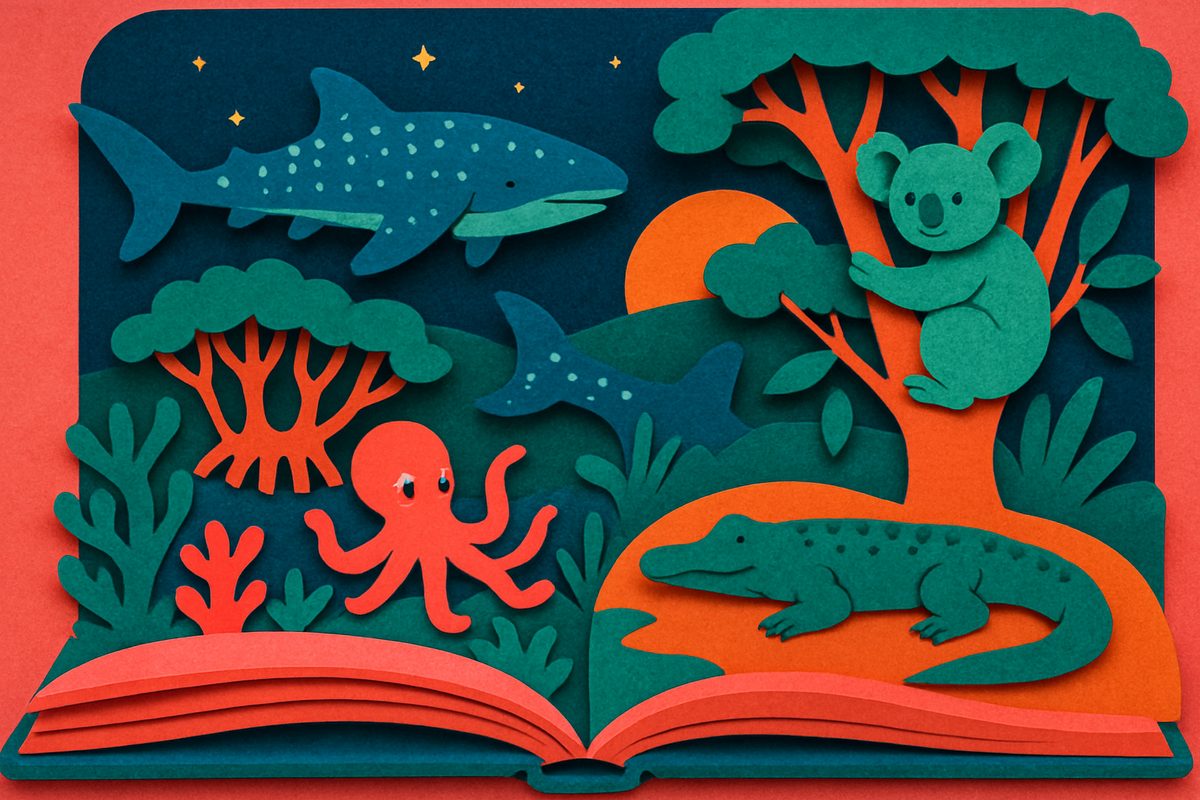
Who won the 2026 Karajia and Environment Awards for Children's Literature? Six books did, three per award. The Wilderness Society has named new picture books and novels by Tim Winton, Zana Fraillon, Aaron Fa'Aoso and others as this year's winners, alongside a collection written by 28 students from Northern Territory communities.
The Environment Award for Children's Literature started in 1994, which the Wilderness Society says makes it the world's longest-running children's nature book award. The Karajia Award, launched in 2022, is for First Nations authors and illustrators and stories of connection to Country.
The 2026 winners
Non-fiction
- Karajia Award: Sweet Home: Stories of Country and Family by students from Ḏawurr Boarding, illustrated by Daydae Yunupingu (Indigenous Literacy Foundation), ages 12+
- Environment Award: Ningaloo by Tim Winton, illustrated by Cindy Lane (Fremantle Press), ages 5+
Fiction
- Karajia Award: Spirit of the Crocodile by Aaron Fa'Aoso and Michelle Scott Tucker with Lyn White (Allen & Unwin), ages 11+
- Environment Award: Song of a Thousand Seas by Zana Fraillon (University of Queensland Press), ages 9+
Picture fiction
- Karajia Award: Animals on Country by Victor Steffensen, illustrated by Sandra Steffensen (Allen & Unwin), ages 4+
- Environment Award: One Koala, One Hundred Trees by Leesa Allinson, illustrated by Heather Potter and Mark Jackson (Wild Dog Books), ages 3+
What the books are about
The award page has a short pitch for each. A few details stand out.
Sweet Home is the work of 28 students from thirteen Northern Territory communities, writing about home in their own words. Blue Mud Bay gets a mention, and so does hunting and fishing in the bush. Ningaloo goes from reef to mangrove to red desert, and it finds room for whale sharks and for the tiny Cape Range millipede.
Spirit of the Crocodile takes place on Saibai Island in the Torres Strait. Two friends, Ezra and Mason, take a dare that goes wrong and end up trying to protect the place, which the page calls the frontline of climate change. Fraillon's book is a verse novel. Its main character is Houdini, an octopus in captivity who wants the open sea, and a young visitor named Juno who might help.
Uncle Kuu is the guide in Animals on Country; his lesson is that you look after animals by looking after the land first. And One Koala, One Hundred Trees starts with an injured koala found on a family's property.
UQP posted about Fraillon's win on October 10.
Who judged
Judges are appointed by the Wilderness Society. The 2026 panel listed on the award page is educator and author Shelley Ware; singer and children's author John Williamson; author and broadcaster Marlee Silva; Aunty Munya Andrews, a Kimberley Elder and lawyer; climate scientist Linden Ashcroft of the University of Melbourne; and children's author Kristin Darell, program director of the Australian Children's Laureate Foundation.
Several have a history with the awards. Williamson's Voice of the Sea was shortlisted for the Environment Award last year. Silva's For 60,000 Years was shortlisted in 2025, and Andrews's Ask Aunty: Bush Survival Skills won the Karajia Award in 2025.
Entries are scored on three things, the page says: originality of concept; engaging language suited to the theme, style and audience; and quality design, including illustrations where they apply. The Environment Award looks for books that encourage care for the natural world or awareness of environmental issues. The Karajia Award looks for books that honour connection to Country through stories of land, community, culture or language.
"Books we read as children shape who we become," Wilderness Society CEO Dr Kirsty Howey said in the announcement. "A great story can make you notice the world around you, the bird in the backyard, the river down the road, the creatures beneath the surface, and help turn curiosity into connection."
The shortlist
This year's shortlist ran to 21 books. Publishers on it ranged from Hachette Australia, HarperCollins and Scholastic Press to CSIRO Publishing and Wild Dog Books. Harry Hartog, a bookshop chain, is donating 10% of sales of the shortlisted books to the Wilderness Society.
Why it matters for authors
Small presses can win here. Wild Dog Books and the Indigenous Literacy Foundation sit on the winners' list next to Allen & Unwin, and UQP's site says it has been named Australian Small Publisher of the Year four times. The criteria are about the book itself: concept, language for its age group, design.
Design is scored. Picture-book creators should notice that "quality design (including illustrations where applicable)" is one of only three criteria. The illustrator matters as much as the text.
Read the criteria before you pitch. Both awards are themed, and UQP's post describes the Environment Award as recognising Australian books. A nature or Country story for children has an obvious home here, and the award page spells out what each prize is looking for. Australian children's writers working on environmental or First Nations stories can read it as a guide to what judges reward.
Sources
- The Wilderness Society: Karajia and Environment Awards for Children's Literature (2026 winners, shortlist and judges)
- University of Queensland Press: Zana Fraillon's Song of a Thousand Seas wins the Environment Award for Children's Literature in the fiction category (October 10, 2026)
- Eco Voice: Wilderness Society reveals the winners of the 2026 Karajia and Environment Awards for Children's Literature (the Wilderness Society's announcement)
- Allen & Unwin: Animals on Country