The Publishing Times
All the News That’s Fit to Publish
publishing-news · Guides
Algerian Court Postpones Verdict in Houris Case Against Kamel Daoud to November 3
Prosecutors in Oran sought six years in prison for the Goncourt-winning novelist and his former partner in a privacy case brought by Saâda Arbane. Daoud denies the allegations.
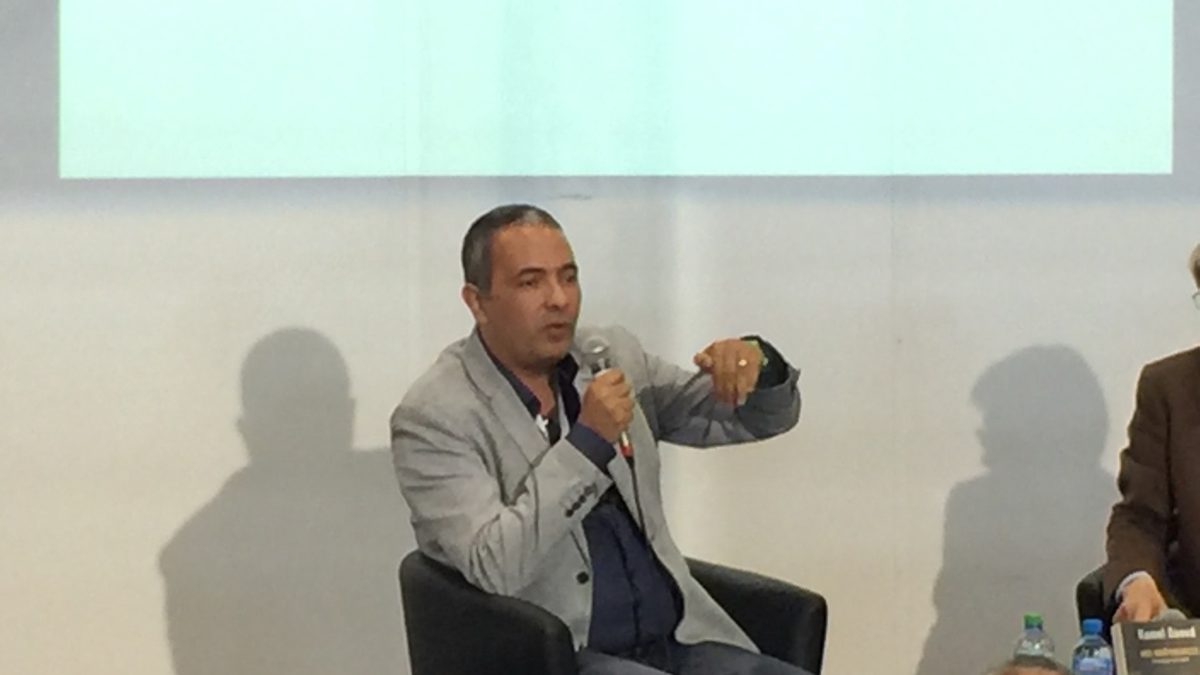
A court in Oran, Algeria, has postponed its verdict in a case brought against the French-Algerian novelist Kamel Daoud over his novel Houris, which won the 2024 Prix Goncourt. The Fellaoucene criminal court is now expected to rule on Tuesday, November 3, ActuaLitté reported, citing the Algerian daily El Khabar.
The decision had been due on October 27, a date set when the court examined the case on October 16, according to Algerie360. The same report said the prosecutor asked for six years in prison for Daoud and for his former partner, the psychiatrist Aïcha Dahdouh, who is a co-defendant.
The complaint
The case was brought by Saâda Arbane, who survived an attack by Islamist militants in 1993, when she was six years old, during Algeria's civil war. According to ActuaLitté, Dahdouh treated Arbane from 2015, first in group therapy with her mother and later in individual sessions.
Arbane alleges that private details of her life and her medical history were disclosed without her consent and used in Houris, whose narrator is a young woman who survived a massacre during that war. El Watan reported that she also alleges medical information was passed on by Dahdouh, who had treated her for several years. In court on October 13, Arbane's lawyer, Me Arar, argued that her client's private life had been made public without her agreement, Algerie360 reported.
Daoud has denied the allegations. In an opinion piece for the French magazine Le Point, quoted by ActuaLitté, he wrote that he could understand Arbane's tragedy, but that her claim that the novel tells her story was "completely false." Daoud lives in France, holds French citizenship, and has not attended any of the hearings in Algeria, according to Algerie360. The charges against both defendants have not been proven, and the court has not yet ruled.
A separate conviction in April
The pending case is the second of two prosecutions in Oran related to the novel. On April 21, 2026, the same court convicted Daoud in absentia in a separate case brought by Algeria's National Organization of Victims of Terrorism and sentenced him to three years in prison. That complaint relied on a 2006 ordinance implementing the Charter for Peace and National Reconciliation, which penalizes using the wounds of the civil war in writings or statements.
Reports differ on the fine. Daoud said he had been fined five million dinars, according to ActuaLitté. A deputy prosecutor general at the Oran court, Boumediene Rozale, later told the broadcaster AL24 that the fine was 300,000 dinars, plus damages to the victims' organization, El Watan reported. Rozale also said the proceedings were triggered by the complaints of private parties rather than by prosecutors, and that Daoud retains the right to file an opposition, which would set aside the default judgment and reopen the case.
Cases in France
Arbane also filed a complaint against Daoud in France in February 2025, alleging invasion of privacy. ActuaLitté reported that the case is still under review. In September, a French court acquitted Daoud in a separate defamation case brought by Arbane, according to the same report.
Houris is banned in Algeria and has not been officially distributed there. The novel, published in France by Gallimard, won the 2024 Prix Goncourt on the first ballot. The Oran court's ruling is expected on November 3.
Photo: Kamel Daoud by ActuaLitté via Wikimedia Commons, licensed CC BY-SA 2.0.
