The Publishing Times
All the News That’s Fit to Publish
kdp · Guides
Is offset printing worth it for a small print run in 2026?
Digital or offset? Indie authors must evaluate printing options carefully. Explore the pros and cons of each based on your unique needs.
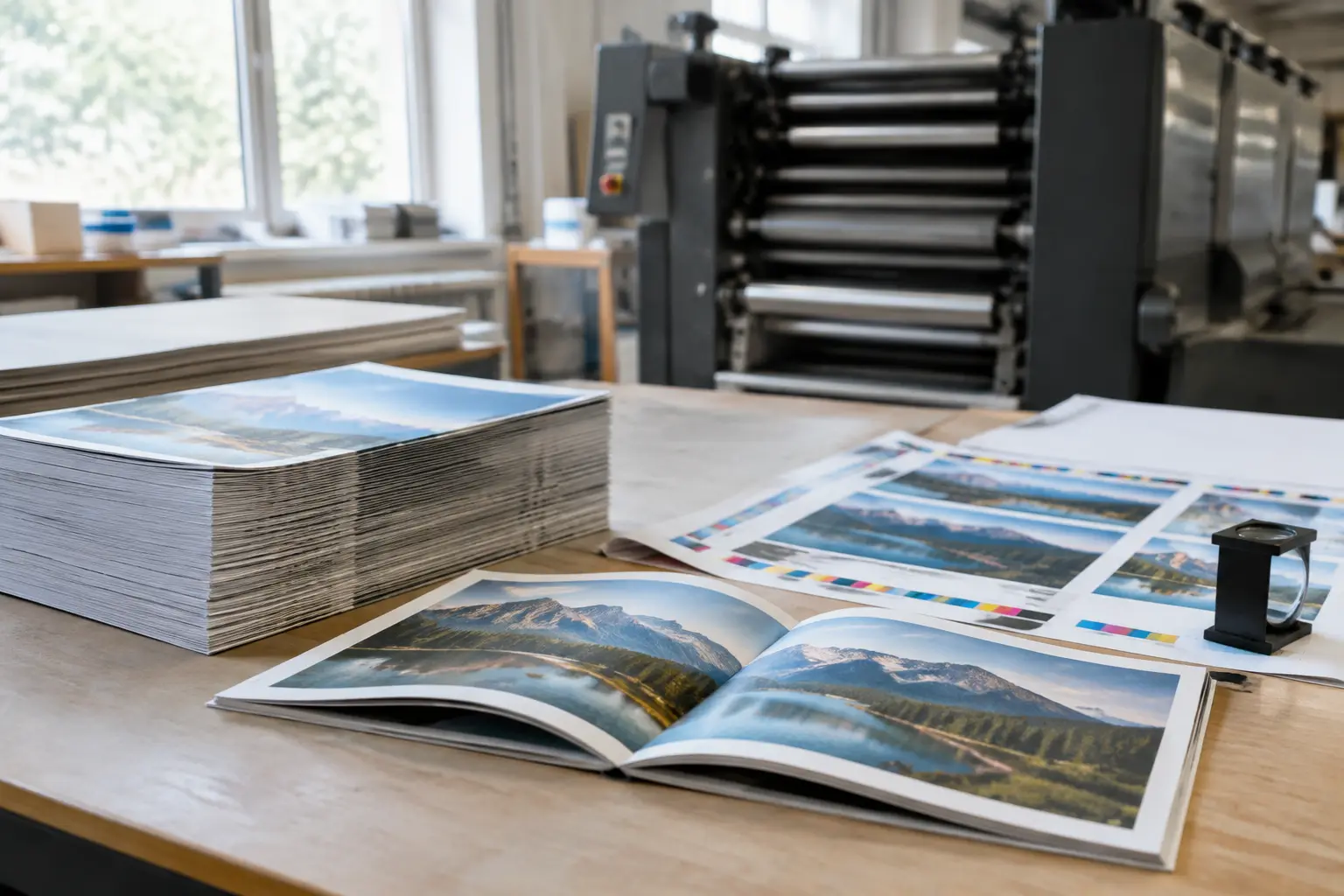
Offset Printing vs Digital Printing: What You Need to Know
Imagine a crisp Tuesday morning in 2026. A small indie author named Eliza stands in her home office, scrolling through print quotes for her first novel. The weight of her dream hangs heavily on her shoulders, and she must choose wisely between traditional offset printing and the allure of faster, cheaper digital options. With so many considerations in play, which path will she take?
As Eliza learns, the world of printing has evolved, and deciding on the right type of print for a small run is no small feat. While offset printing boasts several benefits, its relevance for small print runs is increasingly being questioned.
Understanding Offset Printing
Offset printing is a time-honored method that involves transferring ink from metal plates onto a variety of surfaces. It works wonderfully for large print jobs, making it the gold standard for newspapers and magazines. However, for our indie author like Eliza, this method often comes with a higher price tag due to the setup costs, which are only justifiable over larger quantities.
- Initial Costs: The necessity of producing large batches to make it economically viable can be a daunting hurdle for authors with limited budgets.
- Quality Consistency: Offset printing yields superior quality and consistency, but is it necessary for a smaller audience?
- Longer Turnaround: Authors hoping to meet the fast-paced demands of the market might find offset's longer print times problematic.
The Rise of Digital Printing
Digital printing has taken the publishing industry by storm in recent years and for good reason. With significantly lower costs for small batches, faster turnaround times and the flexibility to print on demand, it's an attractive option for indie authors.
- Cost-Effectiveness: Digital printing typically has lower setup costs and no minimum order requirement. Authors can print just a few copies, which is ideal for events or niche audiences.
- Speed: If Eliza wants her book in readers’ hands quickly to capitalize on social media buzz, digital options can offer rapid turnaround.
- Flexibility: Digital printing allows for changes to be made without significant additional costs—perfect for small adjustments or limited editions.
Evaluating Your Printing Needs
Before making a choice, authors must evaluate their specific printing needs. The selection of printing method should align with the author’s goals, audience, and marketing strategies. Here are some factors to consider:
- Target Audience: Small runs may cater to a localized or specific audience; digital printing makes it economical to tailor these prints.
- Binding and Formats: Depending on the type of binding and format, some digital print options may not offer the desired quality.
- Marketing Opportunities: Consider the potential for signed copies or limited edition prints, which can enhance appeal when printed on demand.
Key Considerations for Authors
As they weigh their options, indie authors must be clear-eyed about costs and demands. Here are the key considerations:
- Print Quantities: How many copies do you realistically need? Think about your sales projections and how they align with production costs.
- Future Needs: If you foresee additional print runs, it may make sense to opt for digital now and consider offset for future releases.
- Quality vs. Cost: Sometimes, sacrificing quality for affordability can impact your book’s reception. Consider the role that quality will play in your brand as an author.
What This Means for Authors
As a small print run author, the choice between offset and digital printing is not just about the immediate cost. It’s about weighing the importance of quality, the flexibility of small batch production, and aligning with your audience's expectations. As the market evolves, so too should your approach to printing.
Ultimately, your decision should be stamped with your unique vision and the path you wish to carve in the literary world.
Your Next Step
This week, assess your specific needs as an author. Consider whether you might benefit from a small print run via digital printing while keeping offset options in mind for future projects.