The Publishing Times
All the News That’s Fit to Publish
kdp · Guides
How much does it cost to print 500 copies of a book in 2026?
Discover the factors affecting the cost of printing 500 copies of your book in 2026 and learn how to maximize your budget effectively.
How Much Does It Cost to Print 500 Copies of a Book in 2026?
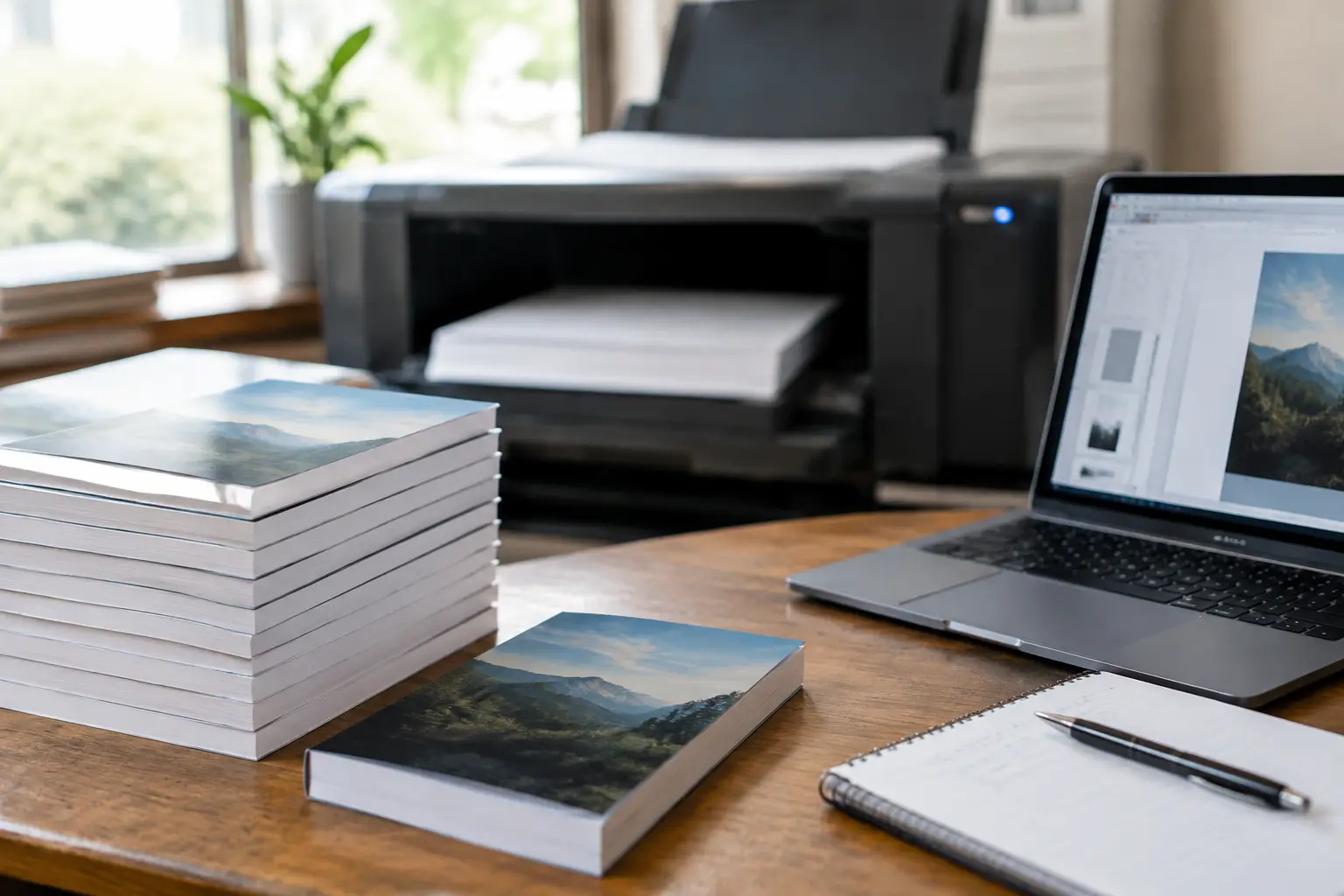
Picture an independent author named Lisa, who has just finished writing her debut novel. In her small home office, she sips her coffee while scrolling through various printing options for 500 copies of her book. The excitement is palpable, but so is the anxiety of managing her budget efficiently. How much will it really cost?
The cost to print books has evolved over the years, influenced by technologies, material costs, and market demand. For indie authors like Lisa, understanding the numerous factors that contribute to printing costs can mean the difference between staying within budget and facing unexpected expenses.
The Key Factors Affecting Printing Costs
When it comes to pricing, several elements come into play:
- Binding: There are various binding options—paperback, hardcover, saddle-stitched—that can drastically affect costs.
- Paper Type: The quality and type of paper used will also impact the price. Standard, recycled, or premium paper can have drastically different price points.
- Color: Printing in full color usually costs more than black and white. Lisa must decide how essential color is for her book's appeal.
- Shipping Costs: The cost to ship the printed books can vary widely based on distance and courier service.
Getting Accurate Quotes
Here is an illustrative example: Mark, another indie author, faced a similar dilemma when he was considering his printing options. He reached out to several printing services to request quotes. Each quote he received varied significantly based on how detailed and specific he was about his requirements. That’s a crucial lesson for Lisa—she should prepare an exact list of her needs when seeking quotes.
Many printing companies offer online calculators or estimators, but Lisa should still verify that all her preferences are accounted for in the quoted price. This includes specifying cover finishes (matte or glossy), estimated costs based on different quantities ordered (considering that printing 1,000 copies can sometimes bring down the per-unit cost), and the timelines expected for delivery.
Comparing Printing Options
Once Lisa gathers her quotes, the next step is to contextualize them against each other. Here’s what to look for:
- Per-Unit Pricing: While some companies may give lower overall costs, the per-book price can be healthier for a smaller print run.
- Quality of Samples: Ordering print samples from potential printing partners can provide clarity about the paper quality, printing quality, and binder strength, all of which can influence reader perception.
- Turnaround Time: If Lisa is on a tight schedule for her book release, printing time could be a major deciding factor.
Hidden Costs and Considerations
In addition to the base printing costs, Lisa should be aware of potential hidden expenses:
- Design Costs: If she requires graphic design for her cover or layout, this can push her budget beyond the base printing costs.
- ISBN and Barcodes: Costs for ISBN numbers and barcodes should be factored in ahead of time as well.
- Storage: After printing, where will Lisa store those 500 copies? Additional fees may arise from warehouse storage if she lacks the space at home.
What This Means for Authors
Understanding the costs associated with printing books is crucial for self-published authors. By valuing precision in quotes and learning from the experience of others like Mark and Lisa, they can manage their finances while maximising their investment in print. Accurate calculations and thorough comparisons will empower authors to make informed decisions. Each step towards clarity in printing costs not only eases the path to publication but can also solidify an author’s standing in a vastly competitive market.
Your Next Step
This week, try reaching out to three printing companies and request quotes based on your specific book’s requirements. Bring clarity to your expectations and consider factors that may impact your final cost. Engaging in this essential task could save you both time and money on your publishing journey.
Source: Publishing Xpress
Read more here