The Publishing Times
All the News That’s Fit to Publish
Book Advertising · Guides
How BookAds AI Uses Machine Learning to Lower Your Amazon Ads ACoS in 2026
Average Cost of Sales (ACoS) measures the percentage of revenue spent on advertising.
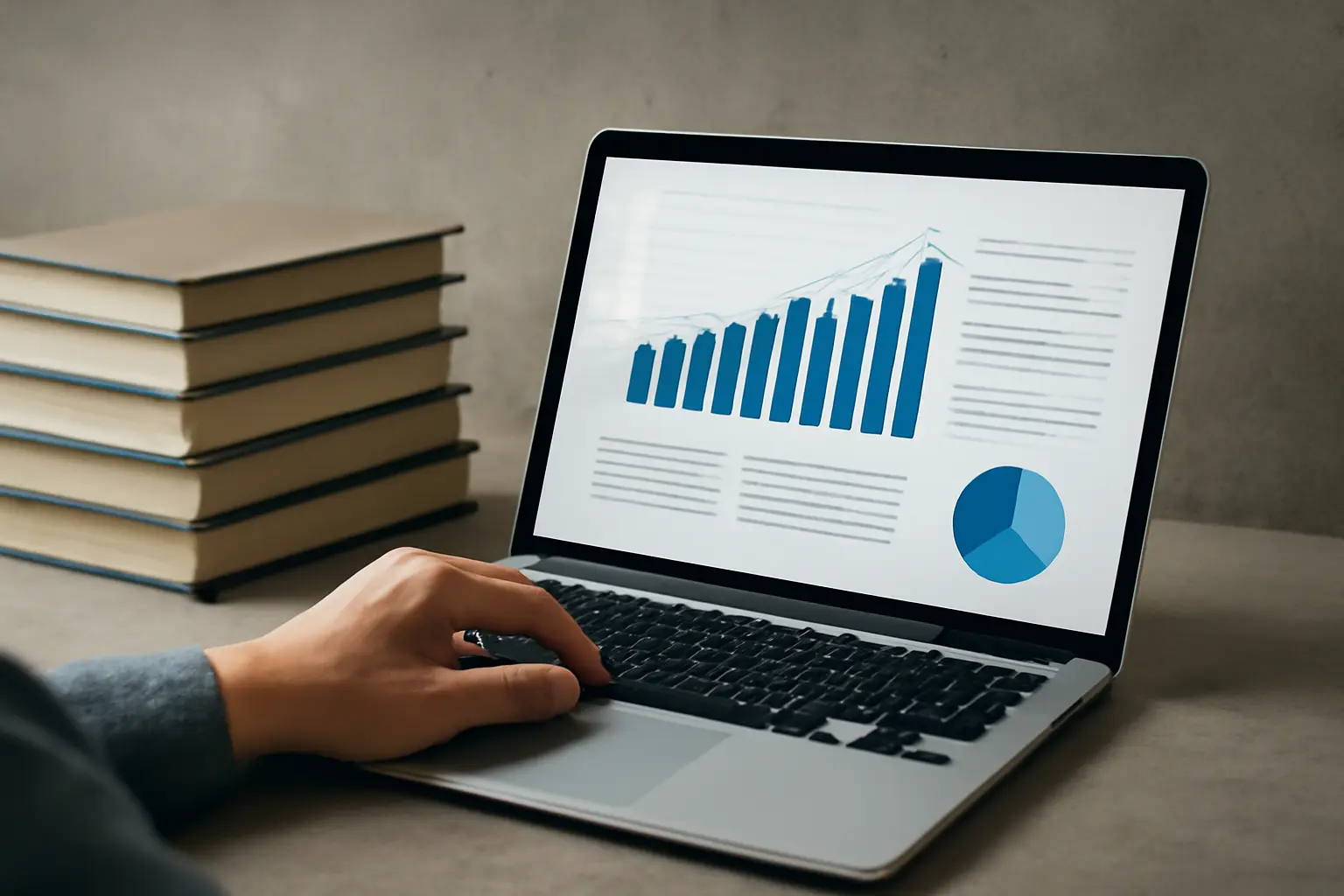
How BookAds AI Uses Machine Learning to Lower Your Amazon Ads ACoS in 2026
BookAds AI uses machine learning to enhance your Amazon Ads efficiency, particularly by reducing your Average Cost of Sales (ACoS). This matters for indie authors because a lower ACoS means a more profitable advertising strategy. In this article, we will discuss how BookAds AI analyzes bidding strategies, identifies underperforming keywords, and automates campaign management to optimize your advertising results in 2026.
Table of Contents
- Understanding ACoS and Its Importance for Indie Authors
- What Is BookAds AI and How Does It Work?
- The Role of Machine Learning in Advertising Optimization
- Step 1 of 5: Setting Up Your BookAds AI Account
- Step 2 of 5: Implementing Keyword Strategies
- Comparison of Advertising Tools
- Case Study: Genre Fiction Author — Before & After
- Checklist for Optimizing Amazon Ads with AI
- Conclusion and Next Steps
Understanding ACoS and Its Importance for Indie Authors
Average Cost of Sales (ACoS) measures the percentage of revenue spent on advertising. In other words, it's the cost incurred for every dollar earned through ad campaigns. For indie authors, maintaining a low ACoS is crucial as it directly impacts overall profitability. If your advertising costs are too high, they can quickly outpace your book sales, leading to unprofitable returns.
Lowering ACoS allows indie authors to allocate their advertising budgets effectively, ensuring that more of their profits are retained. This article will explore how BookAds AI serves as a strategic partner by utilizing machine learning to minimize ACoS in 2026.
What Is BookAds AI and How Does It Work?
BookAds AI is an automated platform designed specifically for indie authors to manage their Amazon Ads campaigns more efficiently. This tool uses sophisticated algorithms to optimize ad bids, halt underperforming keywords automatically, and scale successful targets to maximize visibility and profitability.
By analyzing historical data and incorporating real-time insights, BookAds AI creates a dynamic advertising framework that continuously learns from the results of past campaigns. This adaptive approach helps indie authors save time and effort while effectively lowering their ACoS.
The Role of Machine Learning in Advertising Optimization
Machine learning is a subset of artificial intelligence that enables algorithms to analyze data, recognize patterns, and make decisions based on that data without human intervention. In the context of advertising, machine learning can optimize various factors contributing to advertising success.
Here are some critical ways machine learning can benefit your Amazon Ads campaigns:
1. Intelligent Bidding Strategies
Machine learning algorithms can analyze extensive data sets to determine the most effective bidding strategies for your ads. This means that instead of manually adjusting bids based on performance, the system can automatically optimize bids to reflect market conditions and user engagement.
2. Keyword Performance Analysis
By continually monitoring and evaluating the performance of keywords, machine learning identifies which keywords are generating sales and which are not. This automatic identification of underperforming keywords allows authors to shift their focus to more successful terms, ultimately driving more sales while reducing costs.
3. Predictive Analytics
Machine learning aids in predicting future trends based on historical data. By offering insights into how particular keywords or ad placements may perform in the upcoming days, authors can adjust their strategies proactively, enhancing their chances of driving sales efficiently.
4. Audience Targeting
Machine learning analyzes user behavior to help authors target the right audience. When ads are shown to users who are more likely to convert, it boosts sales while keeping ACoS lower.
Step 1 of 5: Setting Up Your BookAds AI Account
To start using BookAds AI effectively, follow these steps:
1. Sign Up for an Account
Visit the BookAds AI site and create your account. This is where your journey to optimized ad management begins.
2. Connect Your Amazon KDP Account
Link your Amazon KDP account to BookAds AI. This connection allows the platform to access your advertising data and generate actionable insights regarding your campaigns.
3. Configure Your Advertising Preferences
Customize your ad settings according to your goals. Whether you want to prioritize sales, impressions, or another key performance indicator, setting these preferences will guide the system’s optimization efforts.
Step 2 of 5: Implementing Keyword Strategies
Once you have set up your BookAds AI account, it’s essential to implement robust keyword strategies. Here are effective tactics to follow:
1. Research Successful Keywords
While BookAds AI analyzes keyword performance, consider using tools like Amazon's Keyword Tool or Google Trends for additional insights. A comprehensive understanding of your target audience's search behavior can help create a tailored keyword list that resonates with potential readers.
2. Group Keywords by Relevance
Organizing keywords into categories based on genre, theme, or reader interests will allow for targeted ad campaigns. This way, you can enhance the relevance of ads to specific customer segments.
3. Continuous Monitoring and Update
Regularly revisit your keyword strategy. With BookAds AI, you can identify which keywords are performing favorably and which need adjustment, allowing for a more sophisticated, real-time response to market trends.
Comparison of Advertising Tools
To give you a sense of how BookAds AI stands against other advertising solutions, refer to the table below illustrating key features, pricing, and performance indicators from various platforms:
| Feature / Platform | BookAds AI | Amazon Advertising | AdEspresso |
|---|---|---|---|
| Automated Adjustments | Yes | No | Limited |
| Keyword Performance | AI-driven analysis | Manual tracking | AI recommendations |
| Campaign Management | Fully automated | Partially automated | Manual input required |
| Pricing | Starts at $49/month | Pay-per-click | $49/month |
With this information, indie authors can make informed choices about which platform may suit their needs best.
Case Study: Genre Fiction Author — Before & After
Case Study: Genre Fiction Author — Before & After
Before: An illustrative example involves a genre fiction writer who spent $500 on Amazon Ads with a 60% ACoS. Their monthly sales were approximately $1,200, leaving minimal profit and worries about advertising efficacy.
After: After incorporating BookAds AI, the author reduced their ACoS to 30%, with ad spend shifting to $400 monthly. Their sales increased to $2,000, leading to substantial profitability.
What changed: The author relied on the automated insights by BookAds AI, which helped them eliminate underperforming keywords and optimize bid strategies effectively.
Checklist for Optimizing Amazon Ads with AI
✅ Create your BookAds AI account
✅ Link your KDP account for data access
✅ Research and organize your keywords
✅ Set your advertising preferences in BookAds AI
✅ Monitor keyword performance regularly
✅ Adjust bids based on AI recommendations
📚 Recommended Resource: "Strangers to Superfans" by David Gaughran
This book outlines how to build and engage with your reader base, vital for maximizing campaign effectiveness.
→ Get it on Amazon
Conclusion and Next Steps
In summary, BookAds AI leverages machine learning to help indie authors lower their ACoS through intelligent bidding strategies, keyword performance analysis, and audience targeting. Establishing your BookAds AI account and carefully implementing your keyword strategy will also play significant roles in enhancing your book marketing campaigns throughout 2026.
Your next step involves taking action by setting up your BookAds AI account, analyzing your current keyword performance, and refining your ad strategy for optimal results. Stay ahead of every publishing industry change — subscribe to The Publishing Times newsletter and get the week's most important self-publishing news delivered every Monday.
Further Reading
Frequently Asked Questions
Q: How can I measure the effectiveness of my Amazon Ads?
A: Effectiveness can be measured using key metrics like ACoS, return on ad spend (ROAS), and impressions. Monitoring these gives insights into how well your ads convert sales.
Q: What should I do if my ACoS is too high?
A: Analyze your keyword performance, reduce bids on underperforming keywords, and focus on honing in on successful ad strategies.
Q: How often should I adjust my Amazon Ads campaigns?
A: It is recommended to review your campaigns weekly to determine what is working and where adjustments need to be made.
Q: Can I use multiple advertising tools for my campaigns?
A: Yes, many authors benefit from using multiple tools to assess which works best for their unique marketing strategies.
Q: What role does audience targeting play in lowering ACoS?
A: Precise audience targeting ensures that your ads reach the right potential customers, which increases the likelihood of conversions and thereby lowers ACoS.
Q: Is it worth investing in automated advertising tools?
A: Absolutely, especially if you find manual campaign management time-consuming. Automated tools often result in better optimization and cost savings.
Q: Can BookAds AI help with international advertising?
A: Yes, BookAds AI can support international campaigns, provided the right market and keywords are identified and targeted.
Q: What is the difference between ACoS and TACoS?
A: ACoS measures advertising cost for direct sales, while TACoS (Total ACoS) includes total sales revenue, counting organic traffic influenced by ad spend.