The Publishing Times
All the News That’s Fit to Publish
industry · Guides
E-Reader companies are slow to adopt Android 16
E-reader companies are slow to adopt Android 16, impacting indie authors' e-book compatibility and performance. Here’s what it means for you.
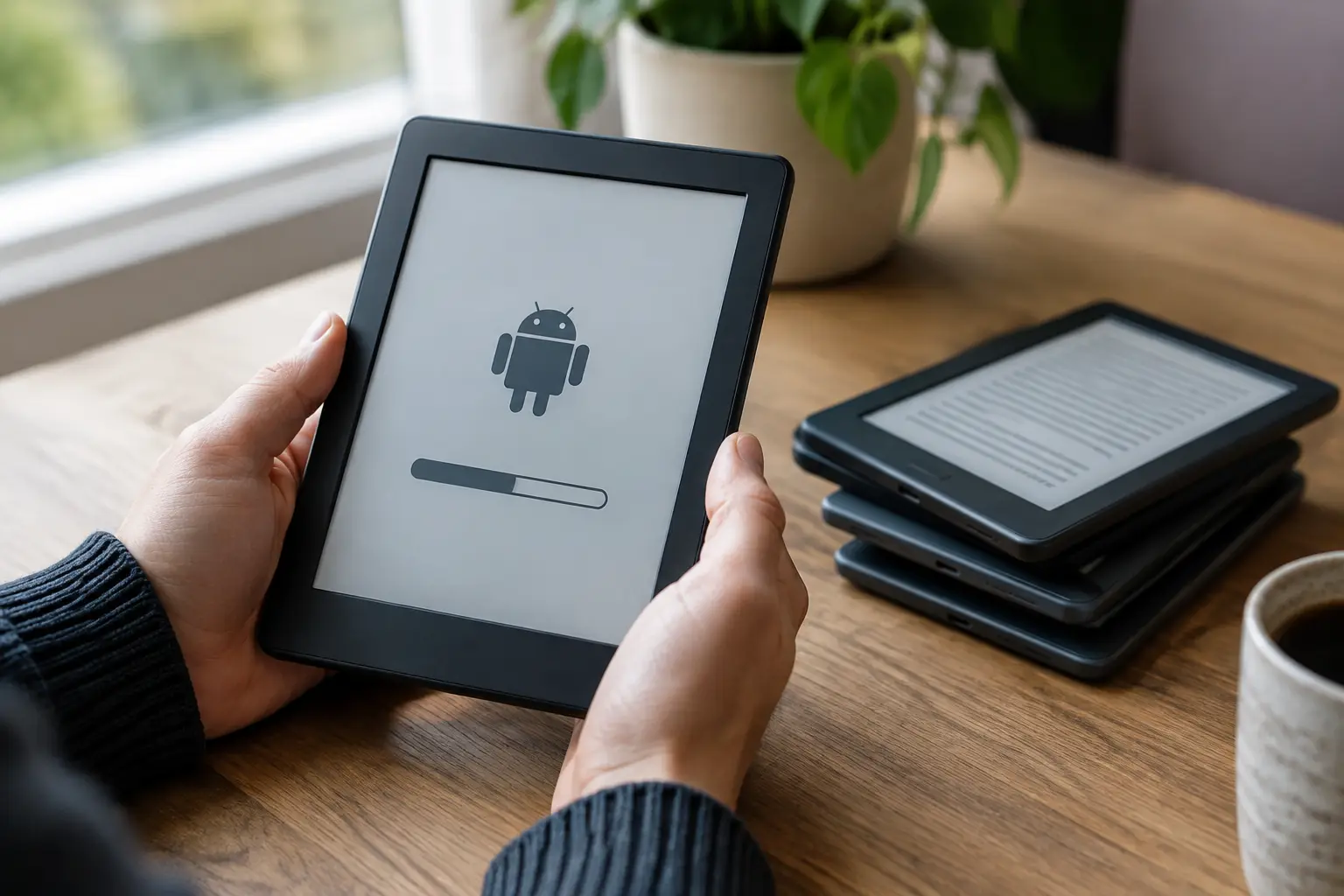
The Lag in Adopting Android 16: A Call to Attention for Authors
At 10 a.m. on a Thursday morning in London, an illustrative example: picture an indie author named Emma sitting in her home office, staring at her laptop screen as she checks her sales figures. As she investigates recent feedback from her readers, she stumbles upon a concerning trend: many avid e-reader users are struggling with issues that could stem from a lack of support for the latest Android operating system version, Android 16. The turmoil in the e-reader market can have significant ramifications for authors, especially among those self-published writers who depend heavily on e-books.
The Android 16 Slowdown
According to a detailed report by Good e-Reader, e-reader manufacturers are dragging their feet when it comes to adopting Google’s Android 16. This delay not only impacts performance but may also compromise software compatibility, which is essential for delivering an optimal reading experience. For Emma, who eagerly wants to present her novels in their full glory, this situation raises an alarm.
E-Reader Companies: Content to Lag Behind?
The e-reader landscape features several prominent players such as Amazon Kindle, Kobo, and Barnes & Noble. However, these companies have mostly stuck with older versions of Android, curtailing the opportunity for innovative features and updates that could enhance user experience. This stagnation places indie authors like Emma at a disadvantage, as their e-books may not benefit from the latest enhancements in screen technology, accessibility options, and user interface improvements that come with Android 16.
Why This Matters for Indie Authors
- Compatibility Issues: If e-readers run outdated software, authors may find their work isn’t displayed correctly, reducing readers’ enjoyment.
- Lack of Features: Newer versions of Android often roll out features that could aid authors, such as improved e-book formatting or interactive elements.
- Reader Engagement: Readers may choose not to purchase books that do not seem optimized for their devices, leading to lost sales for authors.
Turning to the Future
As technology progresses, authors must remain vigilant about where their e-books will be read and how updates might impact their platforms. With e-reader companies lagging, it becomes imperative for writers like Emma to educate themselves about these trends. Staying informed will help ensure their works align with upcoming technological advancements.
What This Means for Authors
Emma’s story is not just her own; it reflects a wider dilemma for indie authors everywhere. As your e-books await potential readers, you might be thinking: what can be done to ensure compatibility and usability? Gathering feedback from readers, checking device specifications before launching your book, and considering alternate platforms can make a difference.
Your Next Step
This week, try looking into the latest e-reader announcements. Consider reaching out to your readers to inquire which devices they use and what challenges they face. Understanding your audience's needs can help you tailor your offerings more effectively.
"E-readers may become even more pivotal in the way readers engage with books over time. Authors need to stay ahead of these developments to ensure their work shines."
As e-reader technology continues to evolve, the time spent in understanding these shifts could define how your books are received.