The Publishing Times
All the News That’s Fit to Publish
book-awards · Guides
Doom Painting by AK Blakemore review - a dazzling epic of the Peasants’ Revolt
AK Blakemore's *Doom Painting* is a masterclass in narrative voice, captivating readers with rich language amid the Peasants' Revolt.
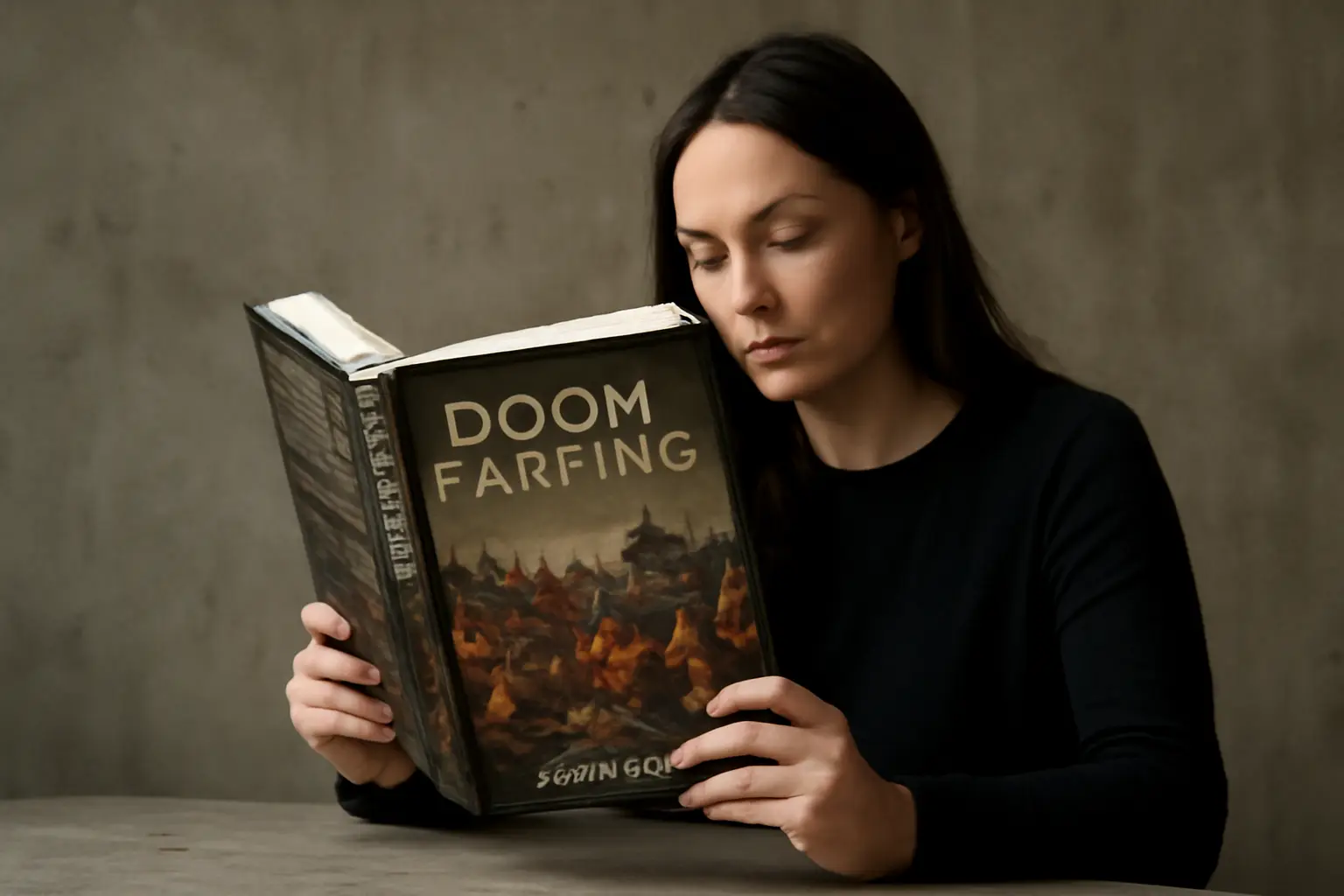
A Dazzling Epic: Unpacking AK Blakemore's *Doom Painting*
At first glance, *Doom Painting*, the newest book from AK Blakemore, looks like a historical novel set in the upheaval of the Peasants' Revolt of 1381. Filing it away as plain historical fiction, though, would miss what makes it striking. It is a Granta title, not an indie release, but its lessons travel to the indie world. The narrative moves with a force that slips between history, language, and point of view, and it works as a lesson for any author thinking about the shape of a story.
The Essence of Language
At the heart of *Doom Painting* is a deep respect for language. Blakemore does not just use words. She handles them the way a painter handles color on a wide canvas. The result is an immersive book that pulls readers into the vividness of a distant century while making that century feel painfully relevant now. The novel is more than a record of events. It shows how far narrative form and voice can stretch. Few historical novels make the act of telling feel as alive as the events being told.
Language drives Blakemore's storytelling, and her decision to explore her characters' lives through a wide-ranging vocabulary is a useful reminder for self-published authors. Indie writers trying to find their own path among conventional narratives can set themselves apart by embracing distinctive voices and experimental language. A voice that sounds like no one else is hard to forget, and in a crowded market that memory can be worth a great deal.
Captivating the Reader: A Unique Narrative Voice
The narration grabs the reader's imagination from the first page. Blakemore's lyrical prose settles over the reader like a cloak and draws attention to the fine grain of human emotion against a backdrop of rebellion and chaos. What happens matters, and so does how it feels, both in the remote past and in present-day life.
Here indie authors, free of house style, hold a real advantage. Traditional publishing is full of formulas and mandates that tend to flatten the voice of a manuscript. Self-publishing frees writers from those limits. Blakemore's *Doom Painting* shows how deeply a book can land when it builds its story around voice and perspective instead of a rigid structure. The book trusts its readers to follow a voice, and that trust pays off.
Immersive World-Building
Fiction often falls flat when the world on the page never comes alive, and this is another area where Blakemore excels. Her setting is charged with the struggles and victories of its characters, and it carries readers past simple entertainment into something physical. As the peasants rise, the reader feels their fervor, their desperation, and the tangled details of their cause.
World-building at this level, careful about detail and atmosphere, can push indie authors to spend more time on the places their characters live. Vivid description that engages the senses strengthens the story and invites readers to stay longer in the worlds an author imagines. A reader who can smell the smoke and hear the crowd is a reader who keeps turning pages.
What This Means for Authors
Blakemore's approach matters well beyond her own novel. For indie authors and self-publishers, leaning into rich language and complex points of view can raise their books to a level that competes with traditional publishing's successes. *Doom Painting*, though traditionally published, is a loud signal to the indie space to use distinctive voices and take risks with prose.
- Experimentation is Key: Creative liberties with language and narrative style can set a book apart. Blakemore's play with voice offers fertile ground for developing a signature style.
- Diverse Perspectives Matter: A varied cast, each character with a distinct voice, makes for layered storytelling that connects with readers. Engaged readers bring the community into the conversation, which deepens the reading experience.
- Immersion Over Convention: Conventional storytelling can feel safe, but pushing boundaries and building immersive worlds tends to leave a lasting mark. The more alive a fictional world feels, the more readers will invest in it.
Final Thoughts
AK Blakemore's *Doom Painting* stands as a guiding light for indie authors starting out on creative work. It is a reminder that storytelling draws its power from rich language and from the parts of human experience a writer chooses to show. The main lesson for aspiring writers is to trust the distinctive voices that come from within, or risk those voices never being heard. Those voices are often the most valuable thing a writer brings to the page.
As literature keeps changing through self-publishing, books like Blakemore's are reshaping ideas about narrative form. For indie writers, the message is to take up the pen, clear the dust off the keyboard, and let those voices ring out.
How do readers see the narrative techniques at work in indie publishing? Thoughts are welcome below.