The Publishing Times
All the News That’s Fit to Publish
industry · Guides
Celebrate Disability Pride Month!
Disability Pride Month, celebrated every July, honors the history and contributions of the disability community. This article explores its origins, significance for the publishing industry, and how indie authors can champion authentic representation and inclusivity.
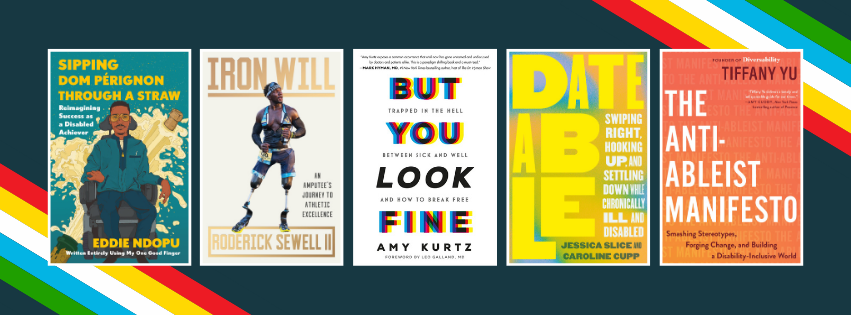
Celebrate Disability Pride Month: Amplifying Voices and Fostering Inclusion
Each July, the world observes Disability Pride Month, a significant period dedicated to celebrating the rich history, diverse identities, and invaluable contributions of the disability community. This observance is far more than just a commemorative event; it is a powerful movement that challenges societal perceptions, rejects stigma, and champions the idea that disability is a natural and beautiful part of human diversity.
Disability Pride Month originated in the United States to mark the passing of the landmark Americans with Disabilities Act (ADA) in July 1990. This pivotal legislation prohibited discrimination against people with disabilities, paving the way for greater accessibility and inclusion. The first official celebration of Disability Pride Month took place in July 2015, coinciding with the 25th anniversary of the ADA.
The movement is built upon the social model of disability, which views disability as a societal construct rather than solely a medical condition. It aims to dismantle barriers, promote inclusivity, and ensure that people with disabilities are seen, valued, and included exactly as they are. As Hachette Book Group, the source of this article, and other publishers recognize, fostering diversity and a culture of inclusion is fundamental to their mission, reflecting a broad range of backgrounds, experiences, and ideas in their staff and publishing programs.
The Roots of Disability Pride: A History of Advocacy and Resilience
The journey to Disability Pride Month is steeped in decades of tireless advocacy. Before the ADA, people with disabilities faced widespread discrimination and barriers in nearly every aspect of life. The fight for civil rights for disabled individuals gained momentum throughout the 20th century, culminating in the monumental passage of the ADA.
A key moment leading up to the ADA's signing was the “Capitol Crawl” on March 12, 1990, where approximately 60 activists, including an eight-year-old Jennifer Keelan-Chaffins, left their wheelchairs and mobility aids to crawl up the Capitol steps. This powerful act of civil disobedience dramatically illustrated the inaccessibility of public spaces and galvanized support for the legislation. On July 26, 1990, President George H. W. Bush signed the ADA into law, a groundbreaking moment that is commemorated each July.
Disability Pride is a direct response to ableism and social stigma, aiming to change how society thinks about and defines disability. It promotes the belief that disability is a natural part of human diversity, allowing individuals to celebrate and take pride in their identities. The redesigned Disability Pride flag, created by Ann Magill, further symbolizes this movement, evolving to be visually safe and inclusive for all.
Disability Representation in the Publishing Industry: A Critical Look
While Disability Pride Month celebrates progress, it also highlights areas where significant work remains, particularly within the publishing industry. Historically, disability representation in books has been sparse and often stereotypical.
Statistics reveal a stark disparity: in 2019, only 3.4% of children's books featured a main character with a disability, a number disproportionate to the estimated 15-20% of the world's population living with some form of disability. Some studies even found as few as five books with disabled characters out of hundreds published in a given year. This lack of representation means that children with disabilities rarely see themselves reflected in stories, and able-bodied children miss opportunities to develop empathy and understanding.
Beyond character representation, disabled authors often face unique barriers. These include fluctuating energy levels due to chronic conditions, accessibility issues with writing tools and networking events, and financial hurdles. Ableism and discrimination can manifest in patronizing language, assumptions about abilities, or a reluctance to provide accommodations. Some disabled writers are expected to write only about their disability, then dismissed as niche, hindering their ability to explore diverse genres and topics.
However, there is a growing movement towards inclusive publishing, which recognizes the value of diverse voices and experiences. Publishers are encouraged to prioritize diversity in their editorial boards, peer review processes, and accessibility policies. Initiatives like Hachette Book Group's “Changing the Story” commitment and their Accessibility Network aim to champion Disability Pride and amplify disabled voices.
What This Means for Indie Authors and Self-Publishers
For indie authors and self-publishers, Disability Pride Month is a powerful call to action and an opportunity to lead by example in fostering a more inclusive literary landscape.
Authentic Representation is Key
One of the most significant contributions indie authors can make is to create authentic and nuanced disabled characters. For too long, disabled characters have been relegated to two-dimensional stereotypes: the bitter villain or the inspirational angel. These portrayals often use disability as a plot device rather than exploring the full humanity of the character. Indie authors have the freedom to move beyond these tropes, crafting characters with disabilities who have complex lives, diverse personalities, and agency in their own stories. This not only provides much-needed visibility for disabled readers but also helps able-bodied readers develop empathy and understanding.
“Own Voices” and Diverse Perspectives
The #OwnVoices movement, while having its complexities, underscores the importance of disabled authors telling their own stories. Indie publishing platforms offer a direct route for disabled writers to share their experiences without facing the gatekeeping that can occur in traditional publishing. This can include memoirs, fiction featuring disabled protagonists, or even genre fiction where disability is a natural, integrated aspect of a character's identity, not their sole defining trait. By prioritizing and promoting “Own Voices” narratives, indie authors and self-publishers contribute to a richer, more accurate literary world. There are also presses like Oleb Books that specifically publish writers who disclose having a disability.
Accessibility in Production and Promotion
Self-publishers have direct control over the production and promotion of their books, presenting an opportunity to embed accessibility from the outset. This means considering:
- Accessible Formats: Offering e-books compatible with screen readers, producing audiobooks, and exploring large-print editions.
- Website Accessibility: Ensuring author websites and book landing pages are navigable for users with various disabilities.
- Inclusive Marketing: Using alt-text for images on social media, providing captions for videos, and consciously featuring diverse models or illustrations in promotional materials.
These practices not only expand readership but also signal a genuine commitment to inclusion.
Building an Inclusive Community
Indie authors and self-publishers thrive on community. Disability Pride Month is an excellent time to connect with and support disabled writers and readers. This could involve:
- Collaborating with disabled sensitivity readers.
- Highlighting books by disabled authors on your platforms.
- Participating in or promoting events like Disability Book Week, which celebrates inclusive literature.
- Engaging with organizations that support disabled writers, such as Disabled Writers or Zoeglossia for poets with disabilities.
By actively fostering an inclusive community, indie authors can help create a more welcoming and equitable space for everyone.
What This Means for Authors
For all authors, Disability Pride Month serves as a crucial reminder of the power of storytelling to shape perceptions and drive social change. It underscores the responsibility to portray disability accurately, respectfully, and with depth. This means moving beyond tokenism and stereotypes, engaging with disabled communities, and seeking out diverse perspectives. Whether you are a traditionally published author or an independent one, consciously integrating disability into your narratives in a meaningful way enriches your work and contributes to a more inclusive society. Supporting disabled authors and advocating for accessibility within the industry are not just ethical imperatives but also opportunities to broaden your own understanding and reach a wider audience. Publishers like Hachette Book Group and Bloomsbury are actively curating lists of books by disabled authors and featuring disability-inclusive titles, demonstrating a growing industry commitment that all authors can contribute to.
***
Source: Hachette Book Group
What are your thoughts on Disability Pride Month and its significance for the publishing world? Share your perspectives in the comments below.