The Publishing Times
All the News That’s Fit to Publish
kdp · Guides
Can you print a coffee table book in a short run?
Explore the possibilities of printing coffee table books in short runs. Discover key steps and tips tailored for indie authors.
Is It Possible to Print a Coffee Table Book in a Short Run?
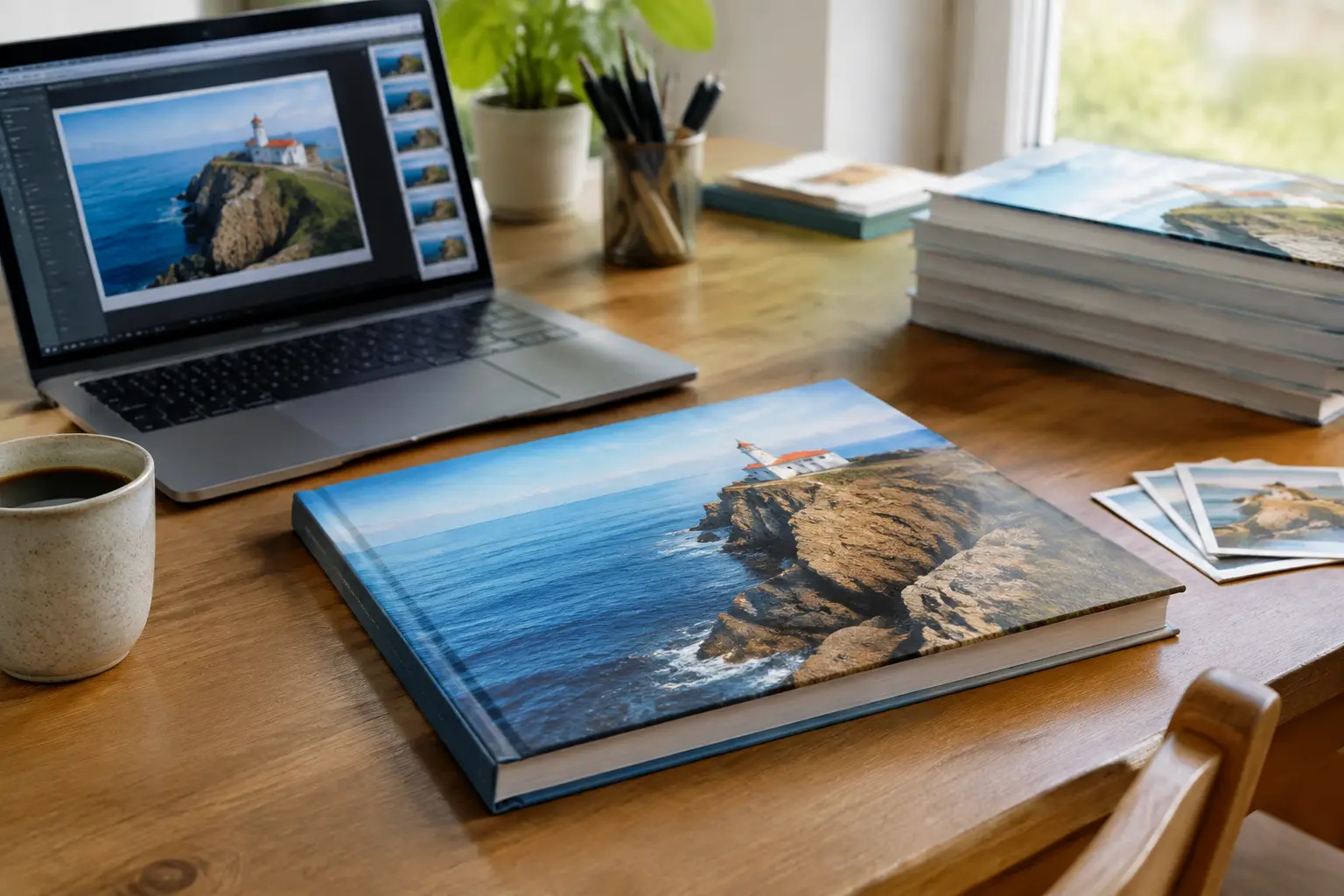
Imagine standing in a sunlit room, surrounded by shelves adorned with beautifully crafted coffee table books. Each cover glistens with a unique artwork, and as you flip through the pages, you're immersed in stunning photography and compelling stories. This is the experience that many aspiring authors crave to deliver with their own coffee table books. Here is an illustrative example: in a workshop last year, a local photographer named Emily decided to bring her work to life in a coffee table format, diving into the world of short-run printing.
Understanding Short Runs
Many believe that producing a coffee table book is solely reserved for large publishing houses with extensive resources. However, the rise of digital printing technologies has shifted that paradigm significantly, allowing indie authors to print their books in short runs. Short runs typically refer to the printing of smaller quantities—often starting at just 25 copies. This flexibility caters perfectly to niche markets, special events, or as portfolio pieces for artists.
Why Choose a Short Run?
- Cost-Effectiveness: Large print runs can be costly, making it challenging for new authors to invest. Short runs allow authors to print only what they need, minimizing upfront expenses.
- Inventory Management: With fewer copies, the risk of unsold inventory decreases significantly. This is particularly important for niche projects, where demand can vary.
- Creative Control: Authors have the opportunity to test their designs and formats before committing to a larger quantity. This can lead to better final products.
Steps to Print Your Coffee Table Book in a Short Run
To start this exciting journey, several key steps should be undertaken:
1. Choose the Right Binding
The binding of your coffee table book contributes significantly to its aesthetic and tactile quality. Options range from hardcover bindings that exude professionalism to flexible softcover formats. Think about your target audience—would they prefer the durability of a hardcover, or are they drawn more to the casual approach of a softcover? Research different binding options and request samples to find the best match for your vision.
2. Prepare Photo Files
Your coffee table book will shine only if you invest time in preparing high-quality photo files. These should be high resolution, preferably at least 300 DPI, and formatted according to your printer's specifications. Invest in photo editing software and perhaps even hire a professional editor to ensure your images are nothing short of spectacular.
3. Plan Your Proof Approval
Before committing to the entire run, it’s crucial to create and approve a proof. This initial sample allows you to examine layout, colour accuracy, and overall design. It's your chance to make changes before the final product is printed. Don’t rush through this step; a bit of patience can lead to your dream coffee table book.
4. Organize Shipping
Consider your logistics early on. Once your books are printed, you’ll need a plan for shipping those lovely copies to your customers or clients. Compare different shipping services for rates, delivery times, and service quality. This detail can significantly impact the customer experience.
What This Means for Authors
For indie authors and self-publishers, the ability to print a coffee table book in a short run is a significant opportunity. It opens doors for creative expression that aligns with both personal and market needs. Whether you're an artist like Emily looking to showcase your work or an author wanting to tell stories through images, short runs provide a financially accessible method to reach your readers.
Conclusion
This week, try reviewing your photography and design files for a coffee table book concept you've been contemplating. Are there images that haven’t seen the light of day? Could refining your design change the reader's experience? Engaging with your creative vision now may lead to that perfect printed piece down the line.