The Publishing Times
All the News That’s Fit to Publish
book-awards · Guides
Book Review: ‘Weimar Germany,’ by Victor Sebestyen
In 'Weimar Germany,' Victor Sebestyen examines the cultural conflicts that ended the fledgling republic, merging rich details with poignant narratives.
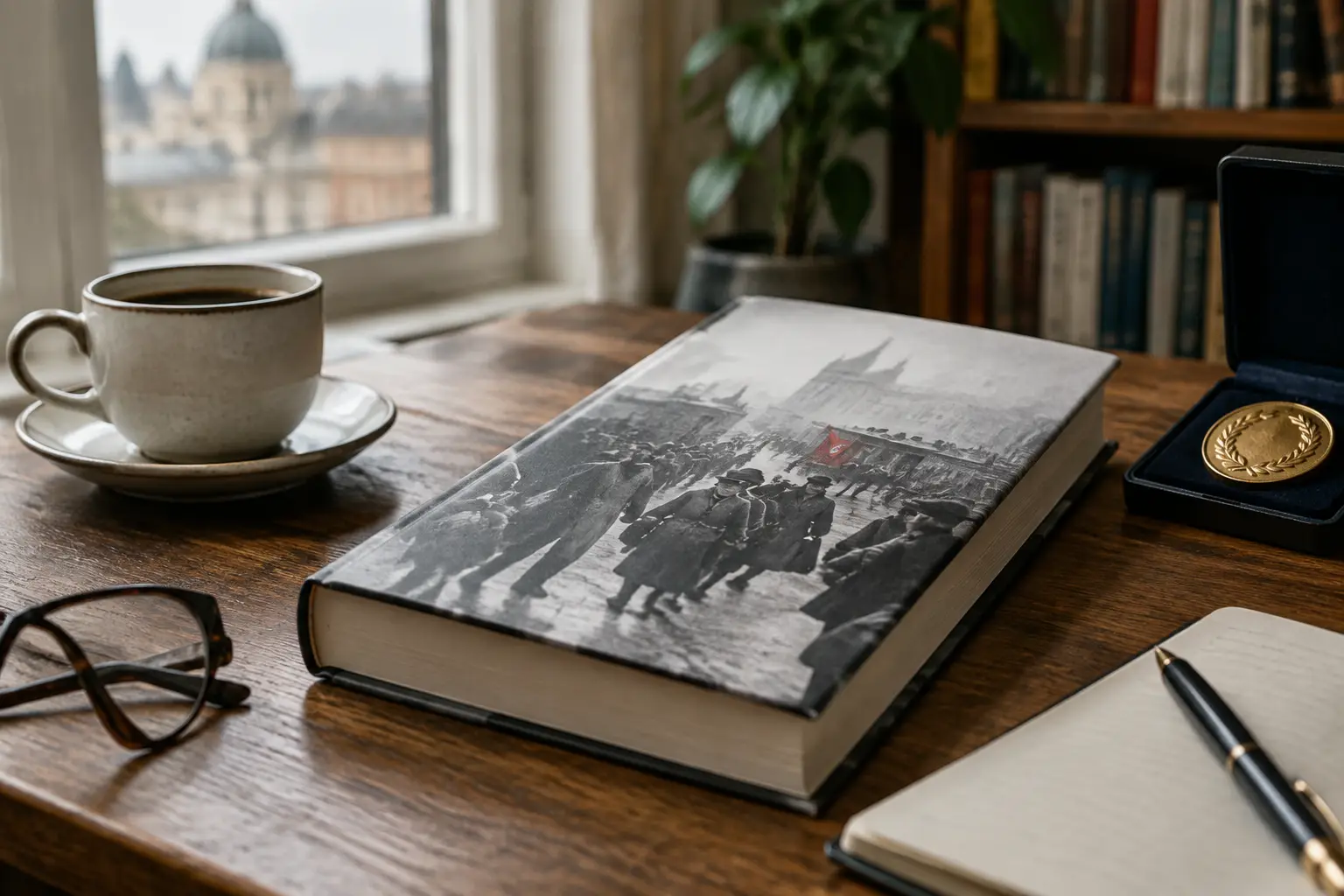
Book Review: ‘Weimar Germany’ by Victor Sebestyen
Picture a crowded café in Berlin, 1929. A bohemian artist, cigarette in hand, debates passionately with a journalist about the changing tides of democracy. Outside, a young man clutches a pamphlet, his expression a mix of hope and despair. This vivid image encapsulates the tumultuous era that Victor Sebestyen explores in his meticulous new book, Weimar Germany.
Published to much anticipation, Weimar Germany traces the social and political upheavals that defined the Weimar Republic. Set against the backdrop of a newly formed democracy following World War I, Sebestyen unpacks how attempts at cultural and political cohesion clashed dramatically with emerging populist sentiments. He provides a nuanced understanding of how these cultural conflicts accelerated the decline of popular rule.
Understanding the Weimar Experience
Sebestyen’s account is not purely historical; it is a vibrant narrative enriched with details that reflect the societal stirrings of the time. He skilfully weaves personal stories with grand events, allowing readers to grasp the emotional undercurrents of an era riddled with crisis and creativity.
The Weimar Republic, which lasted from 1919 until 1933, was marked by an often chaotic interplay of progressivism and conservatism. Sebestyen argues convincingly that this cultural clash manifested in numerous ways—from the arts to politics—and was not merely a backdrop for Adolf Hitler’s rise, but central to understanding why Germany became susceptible to authoritarianism.
A Literary and Cultural Landscape
In Weimar Germany, Sebestyen pays homage to the vibrant artistic culture that flourished during this period. Jazz music filled the air, and theatres showcased provocative plays challenging societal norms. Think of an evocative stage set in a Berlin cabaret—where diverse voices flourished even as traditional structures faced annihilation.
- The Artists: Figures like Bertolt Brecht and Kurt Weill challenged the status quo, using their work as a weapon against fascism.
- The Women: Women gained freedoms and visibility on stage and in politics, showcasing their voices through activism.
- The Politics: A dizzying array of political parties emerged, from the Communists to the Nazis, each vying for the hearts and minds of the populace.
Yet, as Sebestyen illustrates, this cultural flourishing was precarious. Economic instability, hyperinflation, and social unrest constantly threatened these hard-won freedoms.
Populism and the End of a Dream
Central to Sebestyen’s narrative is the rise of populism. In the cafes that once echoed laughter and sound, resentment began to brew—a response to uncertainty and fear. Frustrated citizens sought simple solutions amid the chaos. Here is an illustrative example: imagine a tailor, once thriving, now jobless due to economic depression, listening to a charismatic speaker promising a return to greatness.
Sebestyen highlights how this kind of appeal became irresistible to many, enabling extremist ideologies to take root. The book illustrates the tragic irony that as the culture flourished, the very populace engaged in cultural debates lost sight of the democratic ideals they had fought to establish.
A Voice for the Disenfranchised
One of the strengths of Sebestyen's account is his focus on the stories often overlooked in mainstream narratives. He gives voice to the disenfranchised—women, the working class, and cultural radicals—who sought to carve out spaces of freedom amid repression. Through these stories, Sebestyen reminds his readers that the fight for democracy is fraught with complexities and contradictions.
He doesn’t shy away from moments of dark humour that cut through the tension, using irony to capture the absurdity of certain situations. This blend of wit and poignancy offers a unique lens through which to view the cultural wars that raged within the Weimar Republic.
What This Means for Authors
For contemporary authors, Sebestyen's work serves as an urgent reminder of the responsibility that comes with telling histories of social upheaval. His intricate mix of personalities and events emphasizes that while history can inform narrative, the lens of personal experience must not be lost. As indie authors explore themes of populism, democracy, and cultural identity, the lessons from the Weimar Republic remain relevant. Engaging with these themes thoughtfully can resonate deeply with readers navigating their own realities.
Your Next Step
This week, consider how stories from the past can inform your writing today. Reflect on the cultural conflicts in your community and how they shape individual experiences. How can you weave these threads into your own narrative?
For a deeper exploration of historical narratives in contemporary writing, check out our author resources at The Publishing Times.
Source: New York Times Books