The Publishing Times
All the News That’s Fit to Publish
book-awards · Guides
Book Review: ‘Pandemic Architecture,’ by Penny Hardy
Penny Hardy's 'Pandemic Architecture' highlights NYC's outdoor dining adaptations, reminding authors of the need for resilience and creative innovation.
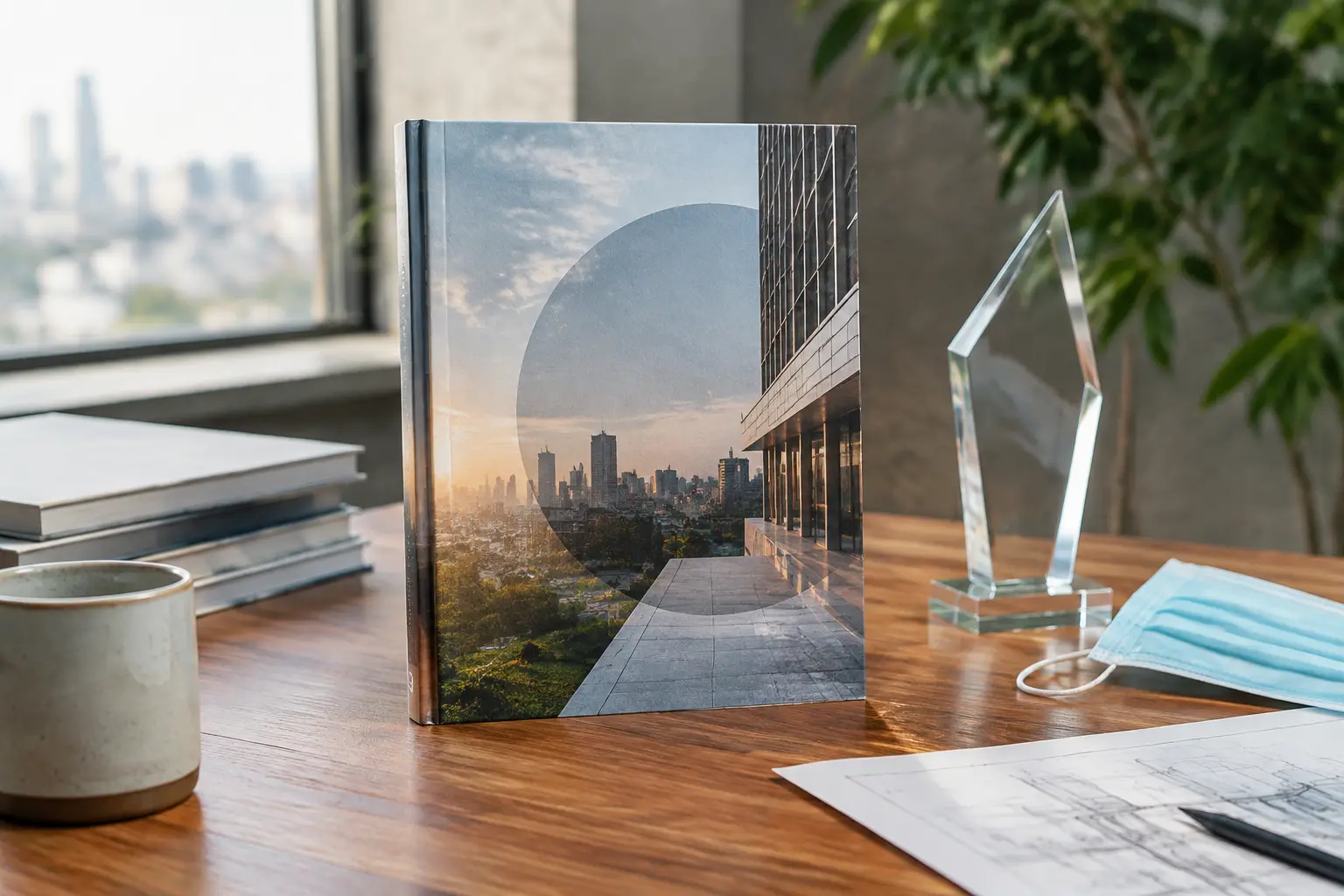
The Architecture of Adaptation: Resilience Amidst Crisis
Imagine it’s a brisk October evening in New York City. Outside, the remnants of summer dining experiences linger: colourful outdoor shelters, hastily constructed yet exuding charm, serve as temporary dining rooms for locals seeking comfort in a bowl of soup or a glass of wine. Each shed on the street tells a story of resilience and creativity, emotions deftly captured in Penny Hardy's new book, Pandemic Architecture. This insightful volume not only chronicles the physical changes to the city’s landscape but also highlights the emotional and economic transformations businesses underwent during the pandemic.
From Temporary Structures to Lasting Impressions
Hardy’s narrative offers an intricate, humanized look at how the forced adaptations spurred innovation among NYC’s eateries. The outdoor dining structures, while initially a response to health regulations, became symbols of defiance against adversity. Picture an illustrative example: a family-run Italian restaurant on the Upper West Side erecting a quaint wooden structure embellished with twinkling lights. At a time when uncertainty loomed large, these makeshift shelters not only provided a source of income but also fostered community togetherness.
The Design of Survival
In her examination of these outdoor spaces, Hardy compellingly argues that architecture is not merely about aesthetics but about how we interact with our environment and each other, especially in times of crisis. Her poignant descriptions of vibrant street scenes are paired with reflections on the necessity for adaptability in design. In doing so, she creates a parallel narrative for indie authors facing the challenges of a rapidly evolving publishing environment.
Lessons for Indie Authors
As Hardy paints vivid scenes of city life reborn, there is an important takeaway for independent writers: the power of resilience and adaptability. These traits are vital in the publishing world, where market demands can shift overnight due to unforeseen circumstances—be it economic upheaval or new technological advancements.
Indie authors often work in environments filled with uncertainty. A successful launch can be quickly overshadowed by changes in reader preferences or new competition. In Hardy’s work, there’s a reminder that even in the toughest of times, opportunities exist for those willing to embrace innovation. The outdoor dining sheds are a metaphorical call to arms for self-publishers to reconsider their approaches and think outside the box.
Innovation: A Pathway to Resilience
The essence of Pandemic Architecture urges all creators, not just architects or restaurant owners, to consider their adaptability in their respective fields. With minor adjustments in strategies or storytelling techniques, writers can continue to engage their audiences and thrive.
- Experimentation: Like those dining sheds that adopted unique aesthetics to attract customers, indie authors can focus on diverse genres or formats. Writing flash fiction, creating audiobooks, or even exploring interactive storytelling can captivate new audiences.
- Community Engagement: Just as local restaurants foster community through outdoor dining, authors can build a strong readership by engaging directly with their audience, perhaps through social media or virtual events.
- Flexibility: Even minor changes, such as revising marketing strategies or timelines based on current trends, can yield significant benefits. Being agile is crucial.
Building a Future of Creativity
While challenges remain for both businesses and authors, Pandemic Architecture presents hope. The success stories of restaurant owners who embraced change and thrived serve as a guiding light. They remind us that creativity can flourish even under restrictive conditions. This echoes directly in the experiences of indie authors who must persist against the odds yet find joy in the act of creating.
What This Means for Authors
As Hardy highlights, the true power lies within the mindset of makers. Indie authors should take cues from the past few years: embrace the unexpected, experiment with formats, and engage communities directly. In moments of difficulty, inspiration can be found by observing how others adapt and thrive.
Your next step: think about how you can adapt your writing projects or marketing strategies this week. You might be surprised at the insights that emerge from simply shifting your perspective or trying something new.
Final Thoughts
Penny Hardy’s Pandemic Architecture serves not only as a retelling of New York's resilience but stands as a blueprint for artistic survival in unpredictable times. For indie authors, the call is clear: embrace innovation and adaptability to succeed in the ever-evolving challenges of the publishing industry.