The Publishing Times
All the News That’s Fit to Publish
book-awards · Guides
Book Review: ‘Mestra,’ by Madeline Miller
Madeline Miller's 'Mestra' reimagines an ancient myth, showcasing the power of retelling while highlighting character-driven narratives. A must-read for indie authors.
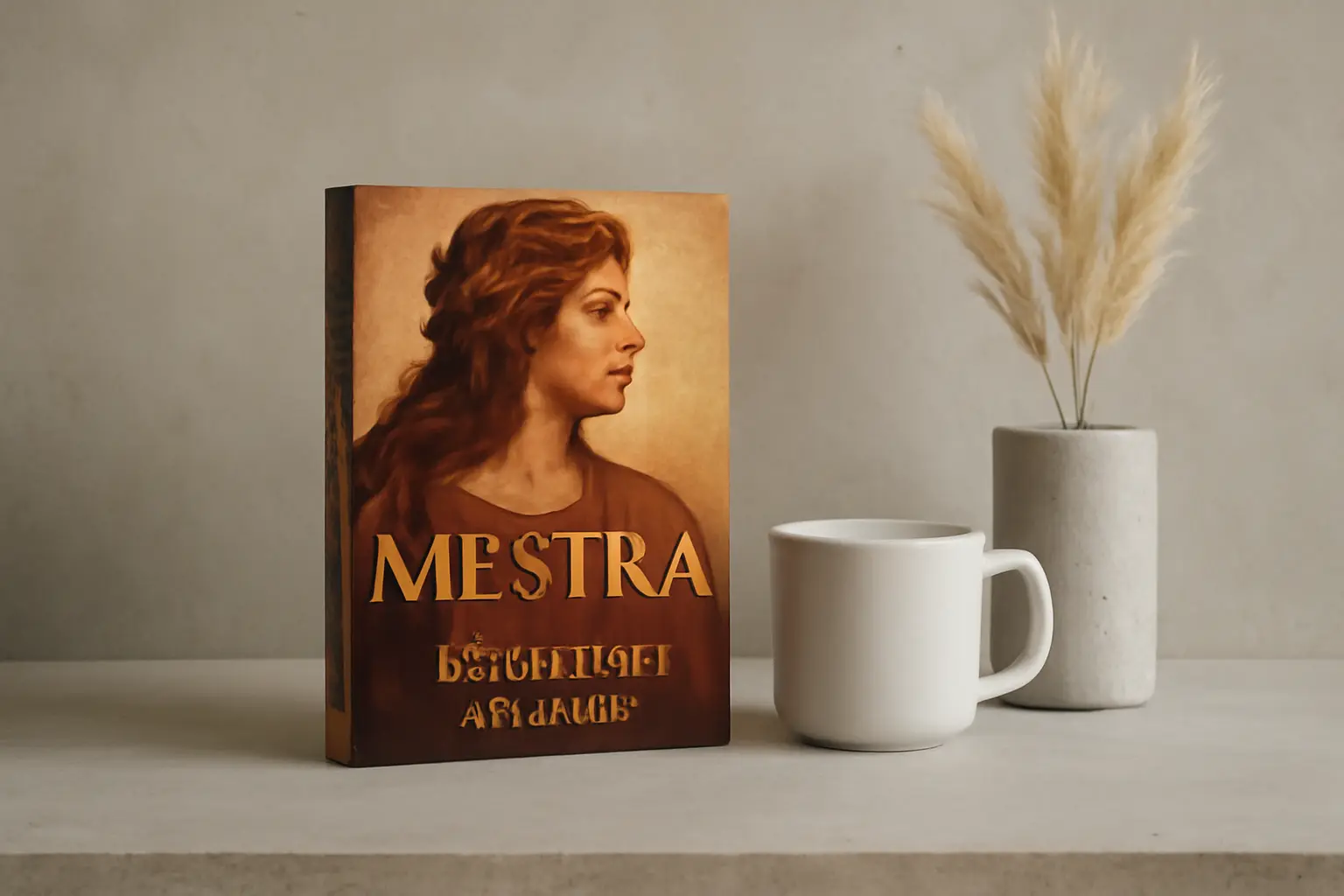
Reimagining Ancient Myths: A Glimpse into Madeline Miller's 'Mestra'
In the echoing halls of literature where the dust of ancient tales lies thick, Madeline Miller emerges once again, wielding her pen as a sculptor shapes clay. Her latest release, Mestra, is a piercing retelling that demands readers reconsider what we know of myth and its relentless grip on the human experience. Here, the undercurrents of patriarchal power and personal agency swirl around a gifted woman grappling with an insatiably demanding father. Miller's storytelling prowess invites us not just to witness but to feel the weight of this dynamic.
The Allure of the Obscure
Miller has gained recognition as a master of mythological retellings, with previous works like The Song of Achilles and Cirse capturing hearts and accolades alike. With Mestra, she dives deep into lesser-known Greek narratives, wielding a delicate balance of reverence and innovation. This nuanced exploration presents a fresh lens through which to understand ancient themes that resonate even more intensely today.
But why are we, as readers and authors, so entranced by these stories from bygone eras? The allure lies in their timelessness. Human emotions, desires, and conflicts are not confined by the ages; they transcend time. In a world swamped with content and fleeting trends, the retelling of forgotten myths breathes new life into old truths, offering a wealth of material ripe for contemporary exploration.
A Father's Demand
At the heart of Mestra lies a familiar yet haunting dynamic: the father-daughter relationship. Miller draws us into the tumult of familial expectation, with the protagonist, Mestra, an astoundingly talented individual who is forced to navigate her father's relentless ambitions.
This theme is particularly relevant for indie authors seeking to connect with their audiences on a deeper level. By delving into the intricacies of human relationships, Miller crafts a tapestry that is not only compelling but arguably necessary in our present socio-cultural context, where discussions about gender, agency, and power dynamics proliferate.
Character-Driven Narratives
Miller's strength lies in her ability to humanise ancient figures, stripping away the layers of mythological grandeur to reveal their raw, genuine selves. Mestra is not just a name from antiquity; she is a woman in struggle, a character embodying resilience amid suffocating expectations.
For indie authors, this precision in character development offers a valuable lesson. As the market becomes increasingly flooded with stories vying for attention, it is the rich, character-driven narratives that rise to the surface, demanding to be read, discussed, and shared.
The Craft of Retelling
Every line in Mestra whispers of hard-won wisdom: retellings are not merely about transposing old stories into new contexts; they're about uncovering the core emotions that underpin them. Miller takes the reader by the hand, guiding us through the labyrinth of Mestra’s life, where personal desires clash with societal constraints — a duality many modern readers can relate to.
In weaving these age-old narratives into the fabric of today, writers can strike a chord with contemporary audiences. Retelling these forgotten tales allows for not just nostalgia but a lens through which to critique modern societal issues.
What This Means for Authors
- Engage with Classical Myths: Indie authors are uniquely positioned to explore and reimagine these stories, drawing relevance from their universal themes. Consider adapting lesser-known tales from mythology to address modern issues.
- Character Depth is Key: As Miller demonstrates, a vivid, compelling character can make or break a story. By focusing on character-driven narratives, writers can create works that resonate with readers, beyond the trappings of genre conventions.
- Tap into the Emotional Landscape: Readers are drawn to the emotional weight that stories carry. Unpacking complex human relationships, be they familial, romantic, or platonic, allows for a rich tapestry of narratives.
- Be Bold in Your Choices: Don't shy away from controversial themes. Explore the dimensions of agency, expectation, and identity within your narratives. Miller's unveiling of Mestra's challenges serves as a guide on navigating these waters.
The Lasting Appeal of Myth in Literature
Ultimately, Mestra serves as both an ode to and a reminder of the enduring power of myth. In a landscape dominated by commercialized narratives, Miller's work stands authentic and evocative. Readers are left not only entertained but transformed, reconsidering their own relationships with the stories they consume and the realities they inhabit.
As indie authors, how can we harness the potential of these classical narratives in our own writing? The answer is straightforward: engage deeply, give voice to the silent, and unearth the stories that have been buried beneath the layers of time. By doing so, we may just craft the next timeless classic.
As readers and writers, we invite you to share your thoughts on the retelling of myths and how they resonate in today’s context. What tales do you believe deserve a modern rewrite? How does Miller's portrayal of Mestra inspire your own storytelling journey?
Source: New York Times Books