The Publishing Times
All the News That’s Fit to Publish
publishing-news · Guides
More Than 100 Authors Sign Open Letter Pledging to Boycott Indigo Over CEO's HESEG Donations
Signatories including Viet Thanh Nguyen say they will not promote Indigo or join its events until Heather Reisman and Gerald Schwartz dissolve the HESEG Foundation or sell their Indigo shares. Indigo had not commented on the letter.
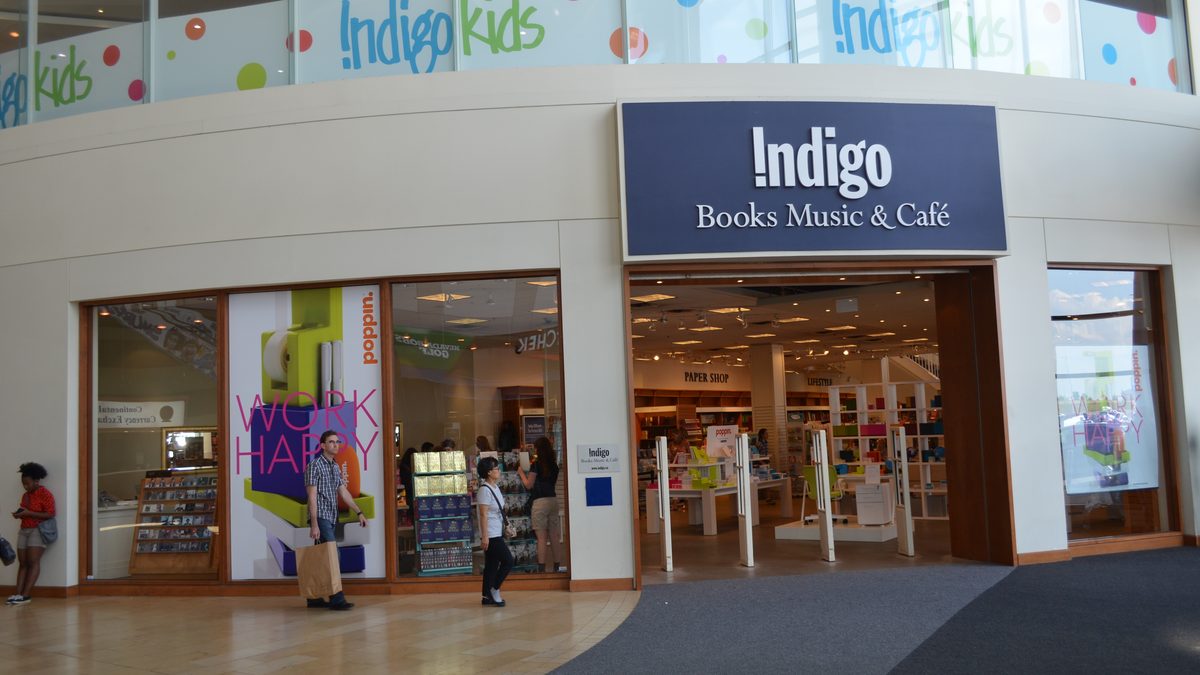
More than 100 writers, among them Viet Thanh Nguyen, Mosab Abu Toha, Jenan Matari and Daniel José Older, have signed an open letter pledging to boycott Indigo Books & Music, Canada's largest bookstore chain, Literary Hub reported on October 29. The signatories object to charitable donations made by Indigo founder and chief executive Heather Reisman and her husband, Onex Corporation founder Gerald Schwartz, to the HESEG Foundation for Lone Soldiers.
What the letter asks for
The letter is posted on the Boycott Indigo Books campaign's author pledge page. The campaign also operates under the name Indigo Kills Kids. Signatories commit not to promote Indigo "in any way" and not to take part in events hosted by Reisman or sponsored by Indigo until one of two demands is met: Reisman and Schwartz dissolve the HESEG Foundation, or they sell all of their shares in Indigo.
The letter describes HESEG as a Canadian charity that offers tuition and living grants for study in Israel to foreign nationals who serve in the Israeli military, known as lone soldiers. It states that the couple gives an average of $5 million a year to those grants and scholarships. It also cites the Canada Revenue Agency's guidance that "supporting the armed forces of another country" is not a charitable purpose, and argues that HESEG has kept its charity status despite that guidance. Those characterizations are the campaign's. The Canadian Jewish News has described HESEG as a charity that funds scholarships for lone soldiers from abroad to stay in Israel after their military service.
Lit Hub said the letter adds to an existing consumer boycott. The campaign's own language accuses Reisman of complicity in what it calls genocide in Gaza. Israel's foreign ministry has rejected the genocide allegation, calling it a "malicious" narrative.
Indigo's position
Lit Hub's report did not include a response from Indigo. As of publication, Indigo had not issued a public statement on the letter.
The company has addressed the campaign before. In an August 2024 cease-and-desist letter that the campaign later posted on its own website, lawyers for Indigo wrote that "Indigo has not directly or indirectly funded HESEG" and called the campaign's claims false. Indigo then sued the anonymous operators of the original campaign websites in Federal Court, alleging trademark and copyright infringement. In a statement to The Canadian Jewish News in September 2024, the company said the case concerned the "blatant misuse and infringement of Indigo trademarks and copyright." According to the CJN, Justice Janet Fuhrer granted injunctions on October 23, 2024, that required Canadian internet providers to block the original sites for at least two years. The campaign later moved to a new domain.
Background in Canadian publishing
The letter follows earlier pressure from writers' groups in Canada. Lit Hub reported that the Giller Prize, the country's best-known fiction award, ended its partnership with Indigo in late 2025 after protests by groups including CanLit Responds and No Arms in the Arts. The prize had previously cut ties with its lead sponsor, Scotiabank.
Indigo has been privately held since May 31, 2024, when Trilogy Investments L.P. completed its purchase of all outstanding Indigo shares and the company was delisted from the Toronto Stock Exchange. Trilogy is controlled by Schwartz.
The pledge remains open for signatures, and the campaign is asking other authors to add their names. The Publishing Times will update this story if Indigo, Reisman or the HESEG Foundation comments.
Photo: Indigo Books Music & Café at Yorkdale Shopping Centre, Toronto, by Raysonho via Wikimedia Commons, released into the public domain under CC0 1.0.
