The Publishing Times
All the News That’s Fit to Publish
obituaries · Guides
Annie Dillard, Author of Pilgrim at Tinker Creek, Dies at 81
Annie Dillard, whose Pilgrim at Tinker Creek won the Pulitzer Prize for general nonfiction in 1975, died on September 15 at her home in South Wellfleet, Massachusetts. She was 81.
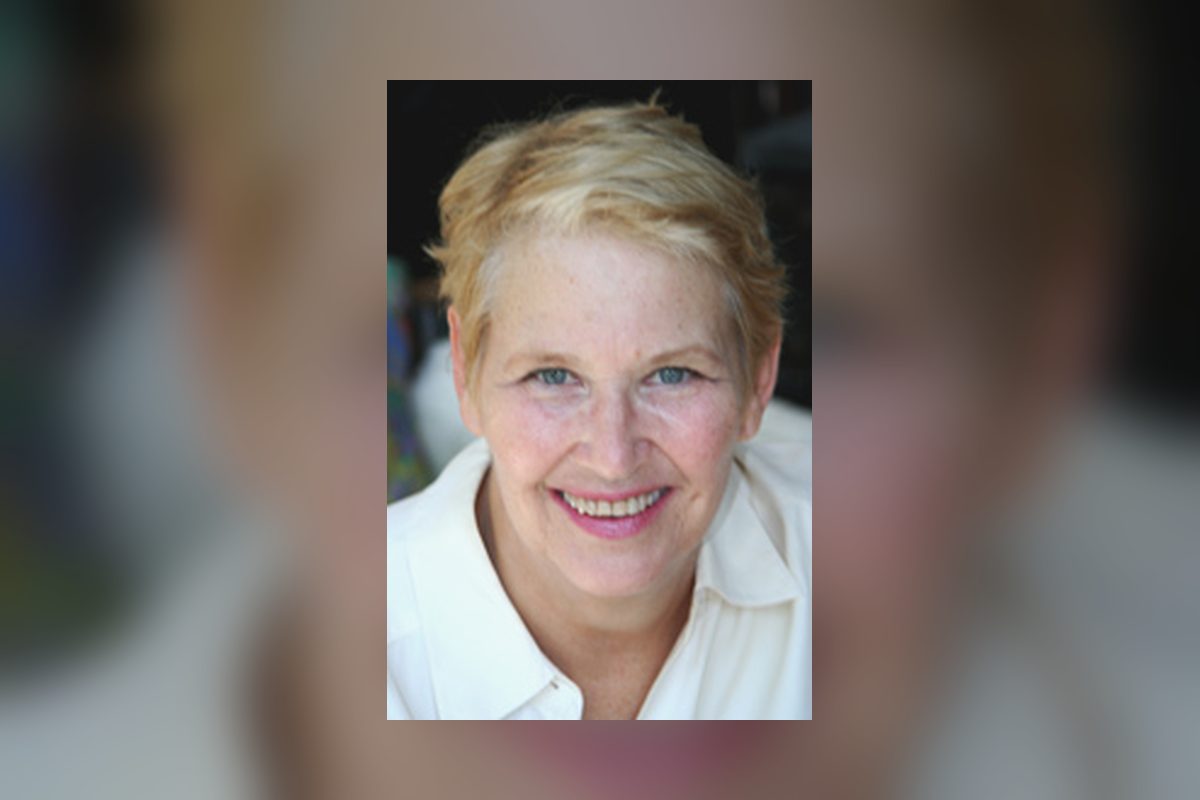
Annie Dillard, whose first prose book made her famous at 28 and whose later work refused to repeat it, died on Tuesday, September 15, 2026, at her home in South Wellfleet, Massachusetts. She was 81. Her literary editor, Maggie Nelson, confirmed the death to The New York Times, the Guardian reported. Her agent, Rob McQuilkin, told the Associated Press she died of natural causes.
Pilgrim at Tinker Creek was published in 1974. It won the 1975 Pulitzer Prize for general nonfiction. Drawn from journals she kept around her home in the Roanoke valley of Virginia, it was the book that put a young writer, born Meta Ann Doak in Pittsburgh, onto the same shelf as the nature writers she had studied and did not want to be filed beside. In 1998 the Modern Library put it on its list of the 100 best nonfiction books of the century. She told readers she was not a nature writer. The Guardian said she thought of herself as a theologian, occupied with God and with the double nature of things. She had written her master's thesis at Hollins College on Thoreau, and she called Pilgrim "a meteorological journal of the mind."
A Pulitzer, then a refusal to become the next version of it
The success was immediate, critical and financial, and she stepped back from it. The Guardian said the requests for interviews sent her to Washington state, where she divided time among Bellingham and the islands of Waldron and Lummi. What followed was not a series of creek books. She published poetry, including Tickets for a Prayer Wheel; the essays of The Writing Life (1989); journalism she called, in the Associated Press's paraphrase of her own phrase, the "jolly journalism" of Encounters with Chinese Writers; the historical novel The Living (1992), about settlers and Lummi people in nineteenth-century Washington; the memoir An American Childhood (1987); and the novel The Maytrees, a finalist for the PEN/Faulkner Award in 2008.
An American Childhood looks back at a 1950s and 1960s Pittsburgh and at parents who gave her room to read. The Associated Press quoted her memory of being 13 and reading "books on drawing, painting, rocks, criminology, birds, moths, beetles, stamps, ponds and streams, medicine." On CBC Radio's Writers & Company in 1995 she told Eleanor Wachtel that she only started to enjoy writing after she had her child. "After I won the Pulitzer Prize, everyone expected me to write, and I thought, 'Oh my gosh, well, I'm not going to do that. I'm going to go backpacking in the North Cascades.'" When a child arrived and she was expected to stop, she said, she wrote a book instead. "So as long as it's what I'm not supposed to be doing, I rather enjoy it."
The line from The Writing Life that publishers and writing students kept quoting is the plain one: "how we spend our days is, of course, how we spend our lives." Joyce Carol Oates later chose the 1982 essay "Total Eclipse" for a list of the century's best essays. In 2015 President Barack Obama presented her with a National Humanities Medal, awarded in 2014, for what the Associated Press called her "profound reflections on human life and nature."
She taught at Wesleyan University for more than 20 years and retired in 2002. The publishing record is the range: a Pulitzer nonfiction book, a bestselling memoir, two novels, poetry, and a book about the work itself that became a standard text in writing programs. Houses kept her in print because readers kept asking for Tinker Creek and then, often, for something else of hers that did not sound like it.
A private life, briefly public when the books required it
She was married three times. Her first husband was the teacher Richard Dillard; they divorced in 1975 after 10 years. Her daughter, Cody Rose, was born in 1984. The Associated Press said Cody's father was her second husband, Gary Clevidence. She later married the biographer Robert D. Richardson, whom she met after writing him a fan letter about his life of Thoreau. The Guardian said that marriage lasted 32 years, until his death in 2020.
For the book trade she remains the case of a debut, in prose, that did not need a second act to stay famous, and of a writer who spent the second act making sure the debut was not the only book. Pilgrim at Tinker Creek is still the title booksellers reorder. An American Childhood and The Writing Life are the ones writing programs assign when they want students to see what she did after the prize.
Image: Annie Dillard, photographed by Phyllis Rose. Via Wikimedia Commons, licensed under the GNU Free Documentation License. Placed on a blurred extension of the same photo.

Sources
- The Guardian: Annie Dillard, Pulitzer prize-winning author of nonfiction and nature essays, dies aged 81 (September 16, 2026)
- The Associated Press, via CBC Books: Annie Dillard, Pulitzer Prize-winning author of Pilgrim at Tinker Creek, dies at 81 (September 17, 2026)