The Publishing Times
All the News That’s Fit to Publish
book-marketing · Guides
Facebook's Two-Link Cap Is Spreading. Author Marketers Say the Free Book Link Was Never Working Anyway
Meta's cap of two link posts a month is still reaching Facebook Pages unevenly. Author Update's hosts say the free book link was already reaching almost no one.
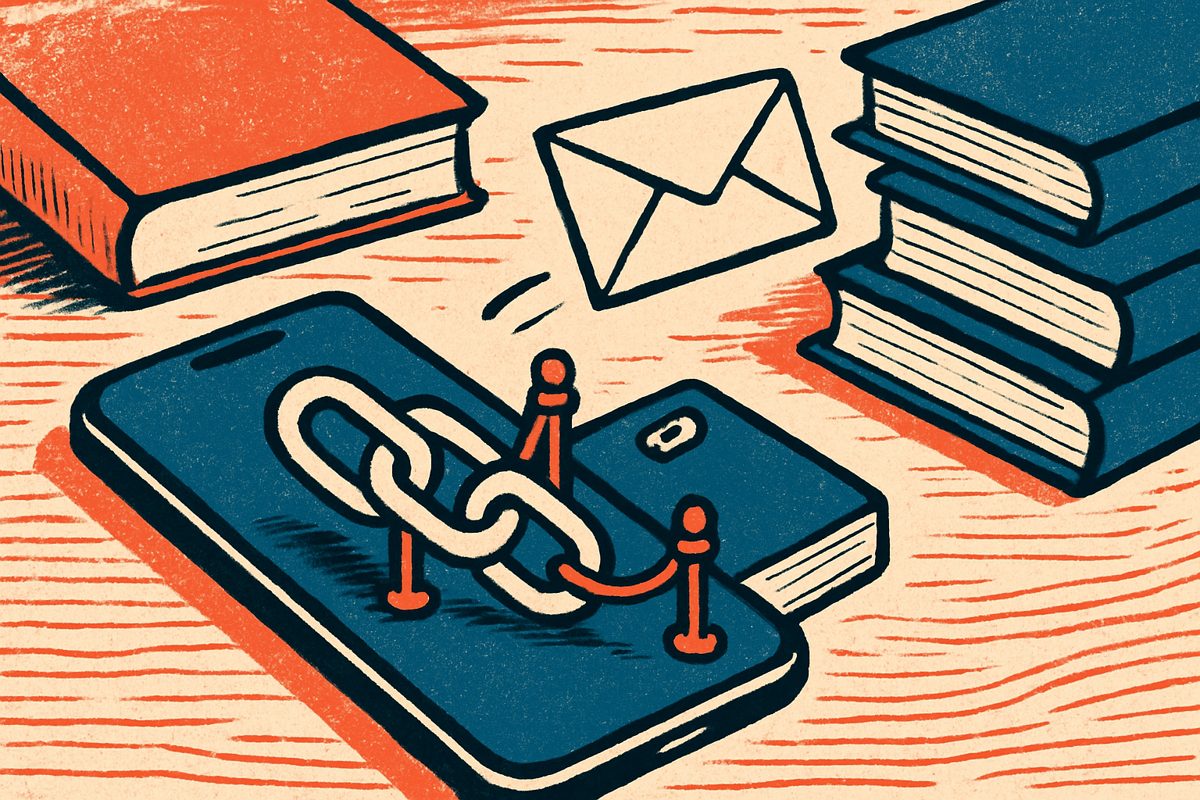
Is Facebook's two-link cap a problem for authors? Less than it looks, according to some author marketers. Two weeks after Facebook Page managers started seeing a pop-up limiting them to two link posts a month unless they pay, the cap is still turning up unevenly. Some people who teach book marketing see it less as a loss than as an overdue admission.
Where the cap stands
Social Media Today first reported the pop-up on September 17. Some professional accounts are now limited to two Facebook posts with external links per month unless they pay for a Meta One subscription. The cap is not new: Meta began a limited test restricting certain Pages to two links a month in December 2025, and it appears to have widened after Meta One for Business launched. Meta has said publisher Pages are exempt from the test "in order to keep content flowing into the app," according to the same report.
On September 23, Communicate Online reported that the restriction "is not being applied uniformly to every Page, and Meta has not publicly announced a blanket two-link limit for all Facebook Pages."
What Meta has put in writing is the paid side. Its September 15 announcement of Meta One lists business plans starting at $14.99 a month for Essential. The Advanced plan, from $49.99 a month, includes "links in organic posts and reels." Meta adds that plans, benefits, pricing and availability "may vary by region, by app, and by account." The Publishing Times covered those details and first steps for authors on September 25.
"At least it's honest"
Author Update, a weekly publishing news show from Author Media, took up the story in a September 30 episode. Host Thomas Umstattd Jr. said he welcomed the cap because it makes visible what Facebook had been doing quietly for years.
"What Meta had been doing for the last 10 years was allowing you to post a link, allowing you to think that people would see this link that you posted to your book," he said, "and then not showing that link to anyone."
Meta's own numbers point the same way. Social Media Today, citing Meta's Widely Viewed Content report, said 98.7% of U.S. Facebook post views in the first quarter of 2026 did not include a link to a source outside Facebook. The share of viewed content carrying a link has dropped from 9.8% in 2022, when Meta began publishing the figure, to 1.3%.
Umstattd went further, arguing that promoting books through a personal Facebook profile can backfire at Amazon. In his account, friending readers creates "social proximity" signals that can lead Amazon to remove legitimate reviews it judges to come from people connected to the author. That is his reading of how Amazon's review filters behave, not a policy Amazon has published.
Promotion versus advertising
Co-host Jonathan Shuerger drew a line that is easy to lose. Posting a picture of your book with a buy link is promotion, he said. Advertising means building an ad in Meta's dashboard and paying per click, ideally sending readers to your own site rather than straight to a retailer.
Shuerger said Facebook advertising "largely" works depending on genre and the age of the audience. Gen Z readers are unlikely to be on Facebook, he said, while books aimed at Gen X and boomer readers can do well; millennials are "kind of 50/50," having moved toward Instagram, Snapchat and TikTok. Both hosts argued that paid ads produce data an author can act on, such as clicks that do or don't turn into sales. Sharing the same Amazon link to dozens of groups a day produces none of that, and the hosts said each outbound link you post lowers the value of the others.
There were exceptions. The hosts said prescriptive nonfiction, such as a fitness book backed by workout videos, can work on social platforms if the author is genuinely good at video. They also described using social media mainly to keep existing readers engaged, for example by making memes from scenes in an author's own books.
Why it matters for authors
For authors with no ad budget, the hosts' advice was blunt: doing something ineffective isn't better than doing nothing. Often the better use of time is writing the next book.
The practical steps from our earlier coverage still apply. Check whether your own Page shows the limit. If it does, save your two link posts for a launch or a sale. And keep moving readers to an email list, the one channel whose reach Meta doesn't control.
Meta calls the cap a test, and it may widen, change or disappear. The hosts' larger point doesn't depend on how it ends. If a book link on a Facebook Page was reaching almost no one before September, losing the ability to post it costs less than it looks.
Sources
- Author Update (YouTube): Facebook Limits Outbound Links Unless Users Pay for Meta One (September 30, 2026)
- Social Media Today: Facebook Pages get charged for link posts (September 17, 2026)
- Communicate Online: Meta's new paid plans put Facebook's outbound links under scrutiny (September 23, 2026)
- Meta Newsroom: Introducing Meta One (September 15, 2026)
- The Publishing Times: Facebook's Link-Post Limit Test Widens as Meta Sells Links Back to Pages (September 25, 2026)